Supreme Court Steps In After Rajasthan High Court Initiates New District Judge Recruitment Amid Legal Dispute
Lexpedia · 30 April 2025 · 4 min read
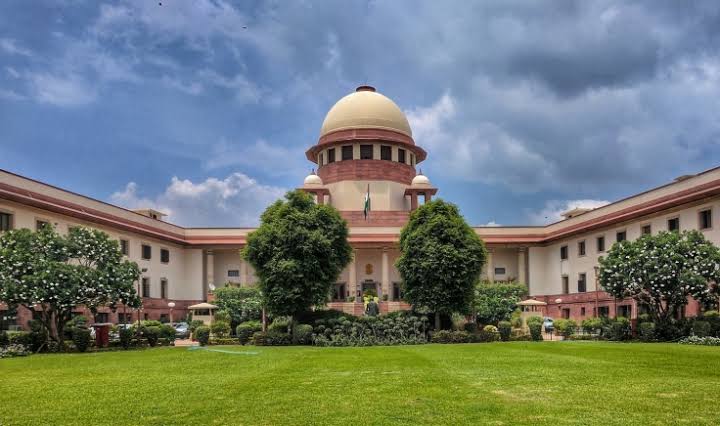
The dispute originates from the 2020 District Judge recruitment by the Rajasthan High Court. Initially, 85 vacancies were advertised, and 788 candidates appeared for the Main Examination. However, only four candidates were selected and called for interviews. This disproportionate outcome raised concerns over the fairness and transparency of the entire process, leading to widespread allegations of irregularities in the recruitment procedure. The petitioners, who were among those who took the examination, felt that the selection process was flawed, which led them to take legal action and challenge the recruitment in court. The dispute has since escalated into a prolonged legal battle, eventually involving the Supreme Court of India. This section sets the stage for understanding the ongoing legal challenge and why it matters to the petitioners.
Why Petitioners Are Opposing the New Recruitment Process
The petitioners have raised serious objections to the Rajasthan High Court’s decision to issue a fresh recruitment notification for the 2025-26 District Judge exam, despite the unresolved issues surrounding the 2020 recruitment process. They argue that issuing a new recruitment notification while the legal challenge to the 2020 process remains pending undermines the ongoing legal proceedings. Petitioners contend that the new recruitment process may further complicate the situation and frustrate any remedies they might be entitled to, should the 2020 recruitment process be deemed invalid. This section will delve into the core of the petitioners’ objections, exploring how the High Court’s actions may disrupt the fair resolution of their grievances and further delay justice.
Problems with the 2020 District Judge Exam: A Closer Look
The petitioners have highlighted several issues with the 2020 District Judge exam, most notably the selection process and the lack of transparency in the evaluation. Despite a large number of candidates appearing for the exam, only a small number of candidates were selected. This has raised suspicions about the fairness of the evaluation process and whether the recruitment adhered to proper standards of selection. In response to the petitioners' concerns, the Rajasthan High Court appointed Justice Govind Mathur to review the answer sheets of the Main Examination, which led to a report claiming that no irregularities were found in the marking process. However, the petitioners objected to the report, citing the possibility of hidden errors in the evaluation. This section will explore in detail the specific allegations made by the petitioners, as well as the subsequent judicial actions taken to address their concerns.
The Conflict: Fresh Recruitment Amid Unresolved Legal Challenges
A central issue in this dispute is the Rajasthan High Court’s decision to issue a new recruitment notification for 2025-26 while the 2020 recruitment challenge is still pending before the courts. The petitioners argue that this action makes it difficult for them to seek an adequate remedy for the irregularities they believe existed in the 2020 process. They assert that the new recruitment process should not proceed until the legal challenge to the earlier process is fully resolved, as this could lead to prejudice against candidates who are still contesting the fairness of the 2020 examination. Moreover, the ambiguity in the 2024 recruitment notification, which left the number of actual vacancies undefined and subject to the February 2024 High Court order, only adds to the petitioners' concerns. This section examines the tension between the ongoing legal process and the High Court’s decision to proceed with fresh recruitment, raising important questions about how judicial decisions can affect public recruitment procedures.
Implications for Future Judicial Recruitment in India
The outcome of this case will have significant ramifications for the future of judicial recruitment in India. If the High Court is allowed to proceed with the 2025-26 recruitment while the 2020 challenge remains unresolved, it may set a dangerous precedent for bypassing legal challenges in public recruitment. This could erode the public trust in the fairness and transparency of the judicial system. Moreover, this case may prompt broader reforms in how recruitment processes are managed and how administrative decisions are made regarding public exams. This section explores the potential consequences of the case, not just for the petitioners, but for future judicial appointments, candidates, and the integrity of public recruitment in India.
The Legal Road Ahead for the Petitioners and High Court
With the Supreme Court’s notice to the Rajasthan High Court, the case is set to proceed with further hearings, which could have significant outcomes for both the petitioners and the High Court. This section looks ahead at what the next steps in the legal process might be, including the possibility of the Supreme Court issuing a stay on the 2025-26 recruitment process until the 2020 challenge is resolved. It also discusses the potential impact of a ruling in favor of the petitioners, which could lead to a review of the 2020 recruitment and possibly a revised recruitment process. On the other hand, if the Supreme Court allows the new recruitment process to proceed, it could set a precedent for handling similar legal disputes in the future.