BCI Issues Comprehensive Digital Ethics Code: Advocates Warned Against Promotional Reels, Client Solicitation & Misuse of Social Media
Lexpedia News · 17 July 2026 · 8 min read
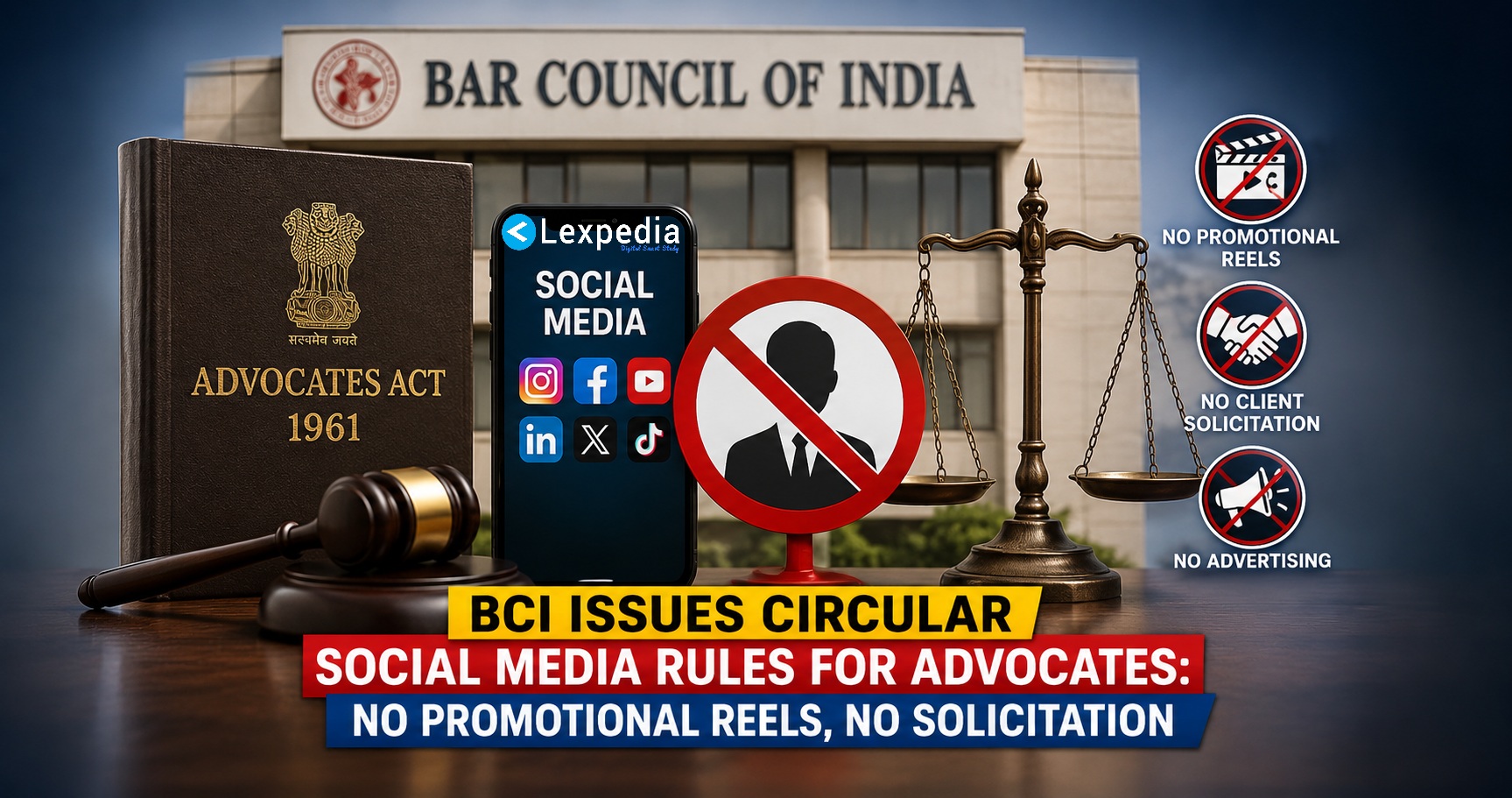
In one of the most significant regulatory interventions concerning the legal profession in recent years, the Bar Council of India (BCI) has issued a 37-page comprehensive circular prescribing detailed ethical guidelines governing the use of social media by advocates, law students, interns and legal educators. The circular seeks to address the rapidly growing trend of lawyers using digital platforms for self-promotion, client solicitation and sensationalisation of court proceedings, while reiterating that the dignity and independence of the legal profession must remain paramount.
The circular, issued on July 17, 2026, makes it clear that while social media can be an effective medium for legal education, academic discussion and dissemination of legal awareness, it cannot be transformed into a platform for advertising legal services, attracting clients or commercialising the legal profession.
BCI reiterates prohibition on advertisement and solicitation
The BCI has once again reminded advocates that Rule 36 of the Bar Council of India Rules, framed under the Advocates Act, 1961, continues to prohibit both direct and indirect advertising by advocates.
According to the circular, advocates must not:
- Publish promotional reels or short-form videos showcasing themselves or their legal practice.
- Create content intended to attract clients through emotional or sensational storytelling.
- Display contact numbers, office addresses, consultation charges or booking links in a promotional manner.
- Use testimonials, client reviews or success stories for marketing purposes.
- Collaborate with influencers, celebrities or digital marketers for promoting legal practice.
- Engage in any activity amounting to direct or indirect client solicitation through online platforms.
The BCI observed that the legal profession is not a commercial enterprise, and advocates must preserve its dignity rather than compete for online popularity.
Strict warning against courtroom reels and recording proceedings
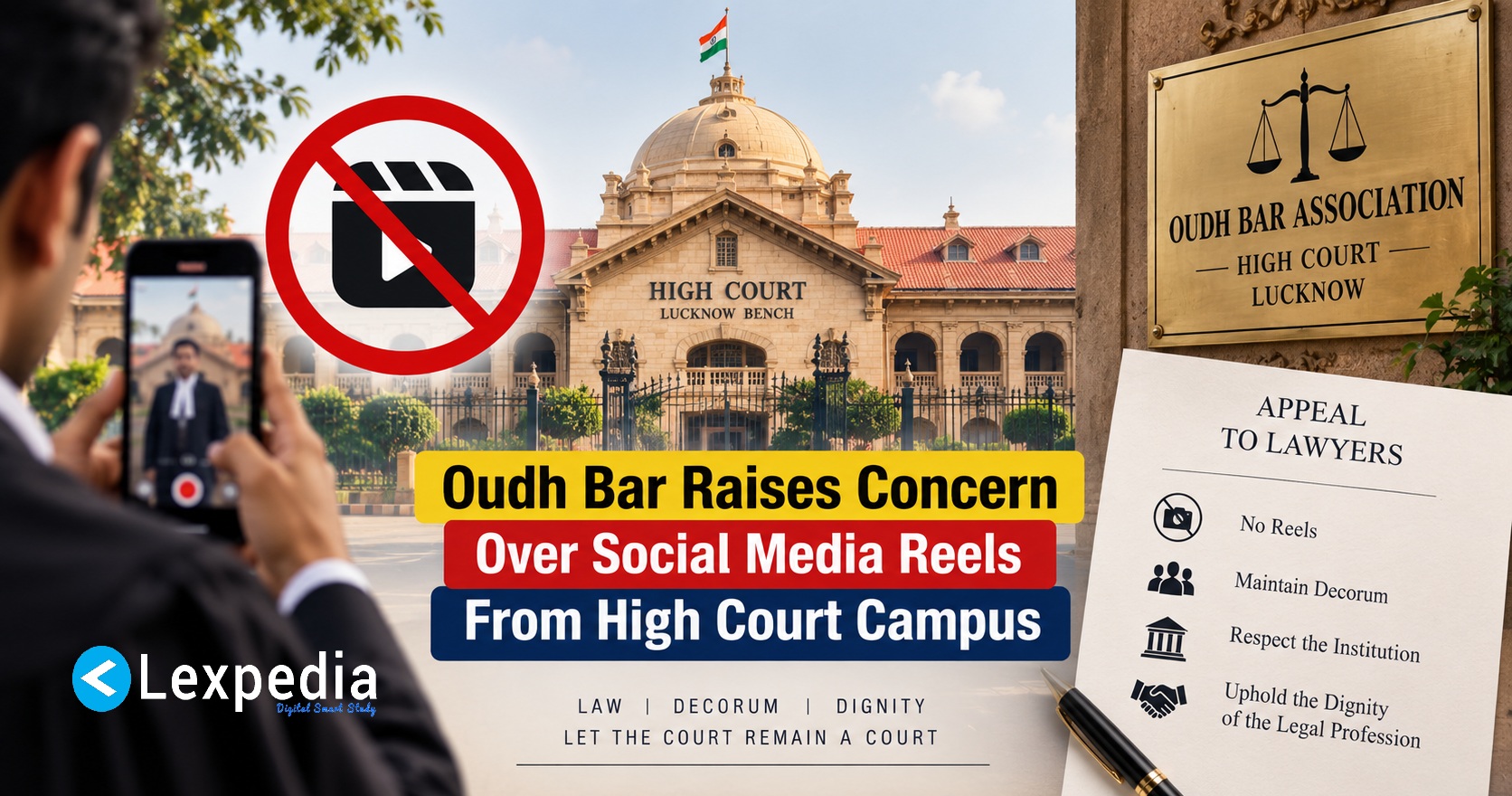
A major focus of the circular is the increasing practice of creating courtroom reels and social media videos based on judicial proceedings.
The BCI has expressly prohibited:
- Unauthorized recording inside court premises.
- Recording hearings for social media content.
- Editing and circulating clips from live-streamed court proceedings.
- Creating sensational snippets that may distort judicial proceedings.
- Posting content capable of influencing ongoing litigation or public perception regarding pending cases.
The Council observed that such practices undermine courtroom decorum, compromise the administration of justice and may amount to professional misconduct.
Client confidentiality receives special emphasis
The circular reiterates that advocates owe an overriding duty of confidentiality to their clients.
Accordingly, advocates must never:
- Reveal client identities without lawful authority.
- Share confidential documents.
- Discuss strategy in pending litigation.
- Publicise case details merely because they are available in public records.
- Reveal privileged communications for publicity.
Even where names are concealed, advocates are advised against sharing facts that may indirectly identify clients or prejudice ongoing proceedings.
AI-generated legal content also regulated
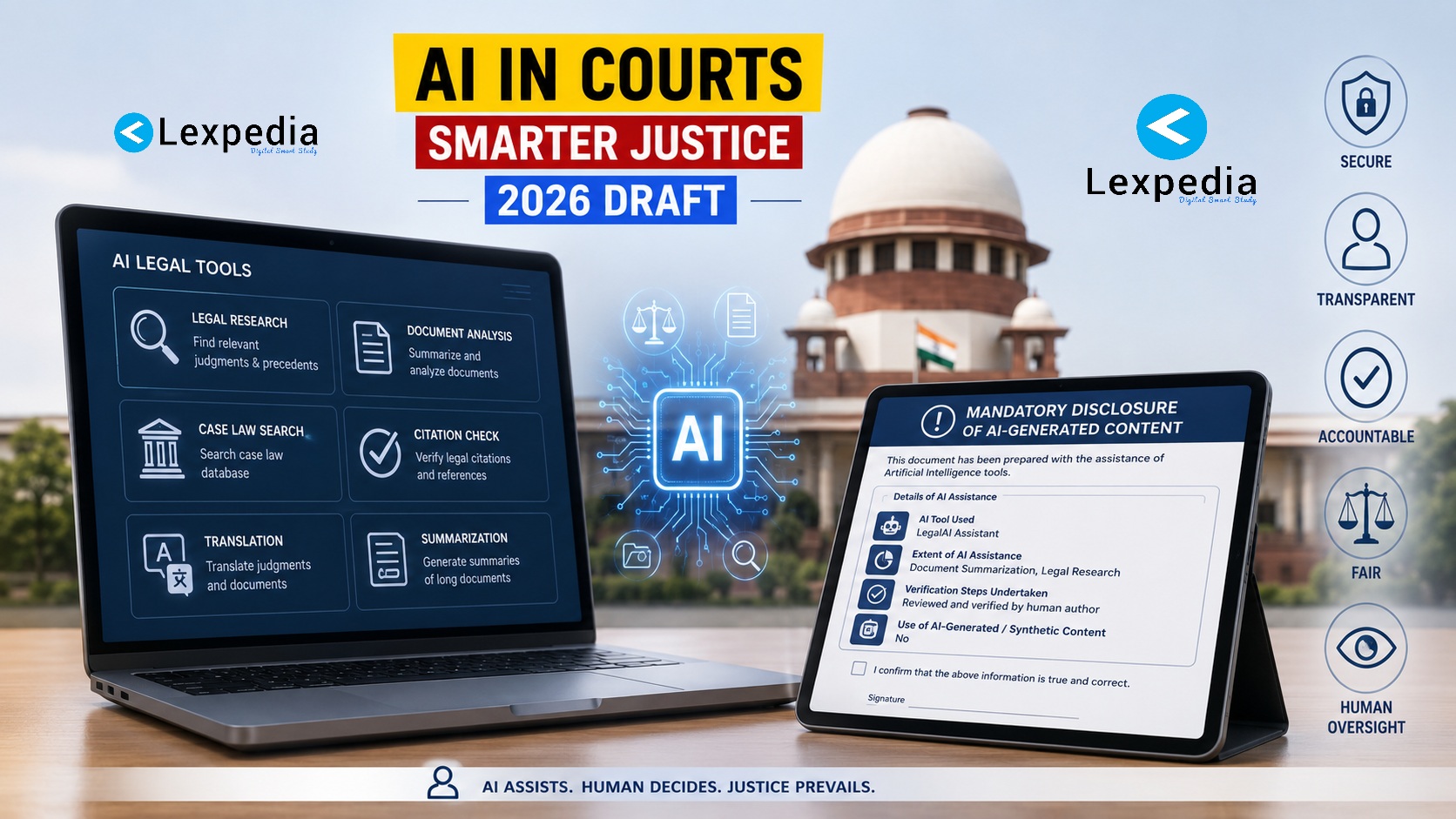
Recognising the growing influence of Artificial Intelligence, the BCI has included detailed directions regarding AI-generated legal content.
Advocates have been cautioned against:
- Publishing AI-generated legal advice without verification.
- Circulating fabricated judgments or manipulated legal materials.
- Using deepfake videos or AI-generated images.
- Misrepresenting AI-generated content as authentic legal opinion.
The Council stressed that advocates remain professionally responsible for all content published under their names, irrespective of whether AI tools were used.
Legal awareness permitted—but self-promotion prohibited
The circular clarifies that advocates are not barred from educating the public.
They may:
- Explain legal provisions.
- Discuss constitutional developments.
- Analyse judgments.
- Conduct academic webinars.
- Publish research articles.
- Promote legal literacy.
However, such content must remain informational and educational, and should not be designed to market professional services or secure clients. Educational content cannot become a disguised advertisement.
Guidelines applicable to law students, interns and educators
The circular extends beyond practising advocates.
Law students, interns and legal educators have also been directed to avoid:
- Posting "Day in Chamber", "Lawyer Life" or internship reels.
- Uploading photographs or videos from advocates' chambers without permission.
- Sharing court proceedings on social media.
- Publishing internship-related confidential material.
- Using internships for building commercial social media profiles.
The BCI has also prescribed written undertakings and confidentiality obligations for interns.
State Bar Councils directed to ensure implementation
The BCI has instructed:
- State Bar Councils
- Bar Associations
- Law Universities
- Law Colleges
to circulate and enforce the guidelines.
Violations may invite disciplinary proceedings under the Advocates Act, 1961, wherever warranted.
Background: Supreme Court examining digital solicitation issue
The BCI circular comes shortly after the Supreme Court of India issued notice on a Public Interest Litigation seeking action against advocates allegedly engaging in digital solicitation, influencer collaborations, monetised legal content and promotional advertising on social media.
The petition contends that such activities violate Rule 36 of the BCI Rules and seeks formulation of a comprehensive digital ethics framework. Although the Supreme Court is presently considering the matter, the BCI's newly issued circular represents an administrative regulatory framework from the statutory regulator. The proceedings before the Supreme Court remain pending, and no final judicial determination has yet been rendered.
Significance
Legal experts believe the circular represents the most comprehensive digital ethics framework issued by the Bar Council of India on social media usage. It reflects growing concern over the commercialization of legal practice through digital platforms while attempting to balance freedom of expression, legal education, professional ethics, client confidentiality, and the dignity of the justice delivery system.
बार काउंसिल ऑफ इंडिया की सोशल मीडिया पर सख्ती: वकीलों के प्रमोशनल रील, क्लाइंट सॉलिसिटेशन और कोर्ट कंटेंट पर व्यापक दिशा-निर्देश जारी
बार काउंसिल ऑफ इंडिया (BCI) ने वकालत पेशे की गरिमा और न्यायिक संस्थानों की मर्यादा बनाए रखने के उद्देश्य से 37 पृष्ठों का विस्तृत परिपत्र (Circular) जारी किया है, जिसमें अधिवक्ताओं, विधि छात्रों, इंटर्न तथा विधि शिक्षकों के सोशल मीडिया उपयोग के लिए व्यापक डिजिटल एथिक्स दिशानिर्देश निर्धारित किए गए हैं।
17 जुलाई 2026 को जारी इस परिपत्र में स्पष्ट किया गया है कि सोशल मीडिया का उपयोग कानूनी जागरूकता, विधिक शिक्षा, शोध एवं शैक्षणिक चर्चा के लिए किया जा सकता है, किन्तु इसका उपयोग मुवक्किल प्राप्त करने, स्वयं का प्रचार करने अथवा वकालत को व्यावसायिक गतिविधि में बदलने के लिए नहीं किया जा सकता।
विज्ञापन एवं क्लाइंट सॉलिसिटेशन पर पुनः रोक
BCI ने Advocates Act, 1961 तथा Rule 36 of the Bar Council of India Rules का उल्लेख करते हुए दोहराया कि अधिवक्ता प्रत्यक्ष या अप्रत्यक्ष रूप से विज्ञापन नहीं कर सकते।
परिपत्र के अनुसार अधिवक्ता:
- प्रमोशनल रील या शॉर्ट वीडियो नहीं बनाएंगे।
- सोशल मीडिया के माध्यम से मुवक्किल आकर्षित करने वाली सामग्री प्रकाशित नहीं करेंगे।
- संपर्क विवरण, फीस, कार्यालय का प्रचारात्मक प्रदर्शन नहीं करेंगे।
- क्लाइंट प्रशंसापत्र (Testimonials) या सफलता की कहानियों का प्रचार नहीं करेंगे।
- इन्फ्लुएंसर या सेलिब्रिटी के माध्यम से स्वयं का प्रचार नहीं करेंगे।
- किसी भी प्रकार के प्रत्यक्ष या अप्रत्यक्ष क्लाइंट सॉलिसिटेशन में संलग्न नहीं होंगे।
कोर्टरूम रील और रिकॉर्डिंग पर कड़ी रोक
BCI ने न्यायालय परिसर के भीतर या न्यायिक कार्यवाही से जुड़े सोशल मीडिया कंटेंट पर विशेष चिंता व्यक्त की है।
परिपत्र के अनुसार:
- न्यायालय परिसर में अनधिकृत वीडियो रिकॉर्डिंग निषिद्ध होगी।
- कोर्ट कार्यवाही के वीडियो या रील नहीं बनाई जा सकती।
- लाइव-स्ट्रीम की गई सुनवाई के अंशों को काटकर वायरल नहीं किया जा सकता।
- लंबित मामलों पर भ्रामक या सनसनीखेज वीडियो प्रकाशित नहीं किए जा सकते।
मुवक्किल की गोपनीयता सर्वोपरि
BCI ने स्पष्ट किया कि अधिवक्ता:
- मुवक्किल की पहचान उजागर नहीं करेंगे।
- गोपनीय दस्तावेज साझा नहीं करेंगे।
- लंबित मामलों की रणनीति सार्वजनिक नहीं करेंगे।
- विशेषाधिकार प्राप्त संवाद (Privileged Communication) को प्रचार के लिए उपयोग नहीं करेंगे।
AI आधारित कानूनी सामग्री पर भी नियंत्रण
परिपत्र में Artificial Intelligence (AI) के उपयोग पर भी दिशा-निर्देश दिए गए हैं।
अधिवक्ताओं को चेतावनी दी गई है कि वे:
- बिना सत्यापन AI आधारित कानूनी सलाह प्रकाशित न करें।
- फर्जी निर्णय, डीपफेक वीडियो अथवा AI से निर्मित भ्रामक सामग्री साझा न करें।
- AI द्वारा तैयार सामग्री को वास्तविक कानूनी राय के रूप में प्रस्तुत न करें।
BCI ने कहा कि प्रकाशित सामग्री की अंतिम जिम्मेदारी अधिवक्ता की ही होगी।
कानूनी जागरूकता की अनुमति, प्रचार की नहीं
BCI ने स्पष्ट किया कि अधिवक्ता:
- कानून समझा सकते हैं,
- न्यायालय के निर्णयों का विश्लेषण कर सकते हैं,
- संवैधानिक विषयों पर चर्चा कर सकते हैं,
- वेबिनार आयोजित कर सकते हैं,
- शोध लेख प्रकाशित कर सकते हैं।
किन्तु ऐसी सामग्री का उद्देश्य केवल शैक्षणिक एवं जन-जागरूकता होना चाहिए, न कि स्वयं का प्रचार।
विधि छात्र एवं इंटर्न भी दायरे में
परिपत्र में विधि छात्रों एवं इंटर्न के लिए भी निर्देश जारी किए गए हैं।
उन्हें:
- "Day in Chamber", "Lawyer Life" जैसी रील बनाने,
- चैंबर या न्यायालय के वीडियो साझा करने,
- इंटर्नशिप से संबंधित गोपनीय सामग्री प्रकाशित करने,
से रोका गया है।
राज्य बार काउंसिलों को अनुपालन सुनिश्चित करने के निर्देश
BCI ने सभी State Bar Councils, Bar Associations, Law Universities तथा Law Colleges को इन दिशा-निर्देशों का पालन सुनिश्चित करने के निर्देश दिए हैं। उल्लंघन की स्थिति में Advocates Act, 1961 के अंतर्गत अनुशासनात्मक कार्रवाई की जा सकती है।
सुप्रीम कोर्ट में भी लंबित है समान मुद्दा
उल्लेखनीय है कि हाल ही में सुप्रीम कोर्ट ने सोशल मीडिया के माध्यम से वकीलों द्वारा कथित डिजिटल सॉलिसिटेशन, विज्ञापन एवं प्रमोशनल गतिविधियों को विनियमित करने की मांग वाली जनहित याचिका पर बार काउंसिल ऑफ इंडिया से जवाब मांगा है। वह मामला अभी विचाराधीन है और इस विषय पर सर्वोच्च न्यायालय का अंतिम निर्णय आना शेष है। BCI का यह परिपत्र उसी व्यापक पृष्ठभूमि में जारी किया गया है, परंतु इसे किसी न्यायिक निर्णय के रूप में नहीं देखा जाना चाहिए।