Lexpedia — Digital Smart Study
Legal News
Judgements
Articles
Syllabus
Bare Acts
Exam Notifications
Legal NewsArticlesBare Acts
Lexpedia — Digital Smart Study

India's most comprehensive legal exam preparation platform. Prepare for Judiciary, UGC NET, AIBE, CLAT and more.

Download the App

Get it on Google PlayDownload on the App Store

Follow Us

Exams

  • Judiciary Exams
  • UGC NET Law
  • AIBE
  • CLAT / LLB Entrance
  • LLM Entrance
  • ADA / APP / APO

Resources

  • Legal News
  • Latest Judgements
  • Landmark Judgements
  • Legal Articles
  • Exam Notifications
  • Bare Acts
  • Syllabus

Company

  • About Lexpedia
  • Contact Us
  • Privacy Policy
  • Terms & Conditions
  • Refund Policy

Partner with Us

Advertise with Lexpedia

Reach 1M+ law students across India

Share PYQs with Us

Help students succeed — upload papers

© 2026 Lexpedia. All rights reserved.

PrivacyTermsRefund
Lexpedia — Digital Smart Study
Legal News
Judgements
Articles
Syllabus
Bare Acts
Exam Notifications
Legal NewsArticlesBare Acts
  1. Home
  2. News
  3. Law Commission of India Addresses ‘Uncle Judges’ in High Courts in 230th Report

Law Commission of India Addresses ‘Uncle Judges’ in High Courts in 230th Report

Lexpedia · 25 March 2025 · 2 min read
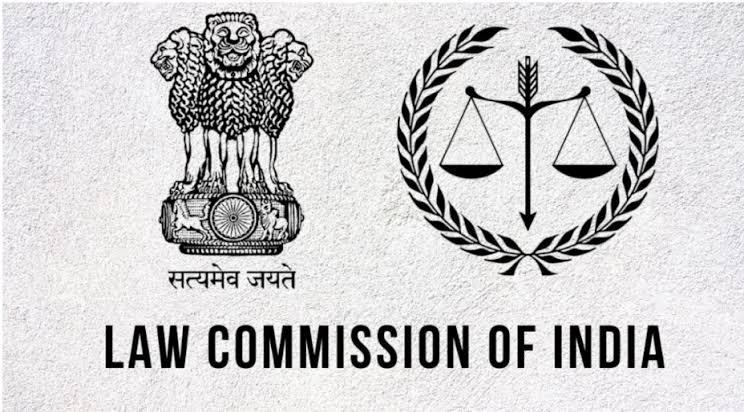
Law Commission of India Addresses ‘Uncle Judges’ in High Courts in 230th Report
Share:

In its 230th Report, the Law Commission of India has raised significant concerns over the appointment of judges to High Courts where their close relatives, including kith and kin, are actively practicing. This issue is crucial for maintaining judicial integrity and transparency.

The Issue of ‘Uncle Judges’

The report highlights the practice of appointing judges whose family members are practitioners in the same High Court. These appointments, often referred to as the “Uncle Judges” issue, could lead to potential conflicts of interest and erode public trust in the fairness of judicial proceedings.

Judicial Appointments Under Constitutional Provisions

Under Article 217 of the Constitution, the Chief Justice of a High Court has the authority to recommend names for judicial appointments. A person who has been an advocate for 10 years in a High Court or multiple High Courts is eligible to be considered for a judgeship. This system, however, increases the likelihood of family ties influencing judicial appointments, leading to questions about the objectivity and independence of the judiciary.

Steps to Address the Concern: Judicial Standards and Accountability Bill, 2012

To curb potential conflicts of interest, the Judicial Standards and Accountability Bill, 2012 has been introduced. The Bill, which has already been passed by the Lok Sabha, aims to establish clear judicial standards and ensure greater accountability in the judicial appointment process. It seeks to prevent situations where family members’ practice in the same court might compromise judicial impartiality.

Minister for Law and Justice’s Statement

In a written reply to a question in the Lok Sabha, Dr. Ashwani Kumar, the Minister for Law and Justice, acknowledged the concerns raised by the Law Commission and emphasized the importance of implementing measures to ensure transparency and fairness in the judicial appointment process.

Looking Forward: Maintaining Judicial Integrity

The issue of “Uncle Judges” and the steps taken to address it reflect the ongoing efforts to ensure that judicial appointments are made based on merit, free from any familial influence. By establishing clear standards through legislative measures, the government aims to protect the independence and credibility of the Indian judiciary.
ConstitutionHigh CourtJudiciaryParliamentGovernment Policies

Related Legal News

“Judges Are Not Holy Cows”: Madras High Court Says Corruption In Judiciary Cannot Be Denied

25 May 2026 · Lexpedia News

‘Bar Is Waiting For You’: CJI Surya Kant Recalls Why He Didn’t Join Judicial Service At Career Start

8 May 2026 · Lexpedia News

30-year-old Delhi Judge Dies by Suicide at Safdarjung Residence; Family Alleges Harassment

2 May 2026 · Lexpedia News

Former CJI Ranjan Gogoi retires as Rajya Sabha MP; asked zero questions and participated in only one debate

16 March 2026 · Lexpedia News

Latest Articles

MONTHLY MAGAZINE APRIL, 2026

Lexpedia News

MONTHLY MAGAZINE MARCH

Lexpedia News

MONTHLY MAGAZINE FEBRUARY

Lexpedia News

MONTHLY MAGAZINE JANUARY

Lexpedia

Preamble to the Constitution of India and the Constituent Assembly: Foundation of Indian Democracy

Lexpedia News

Lexpedia — Digital Smart Study

India's most comprehensive legal exam preparation platform. Prepare for Judiciary, UGC NET, AIBE, CLAT and more.

Download the App

Get it on Google PlayDownload on the App Store

Follow Us

Exams

  • Judiciary Exams
  • UGC NET Law
  • AIBE
  • CLAT / LLB Entrance
  • LLM Entrance
  • ADA / APP / APO

Resources

  • Legal News
  • Latest Judgements
  • Landmark Judgements
  • Legal Articles
  • Exam Notifications
  • Bare Acts
  • Syllabus

Company

  • About Lexpedia
  • Contact Us
  • Privacy Policy
  • Terms & Conditions
  • Refund Policy

Partner with Us

Advertise with Lexpedia

Reach 1M+ law students across India

Share PYQs with Us

Help students succeed — upload papers

© 2026 Lexpedia. All rights reserved.

PrivacyTermsRefund