51st Chief Justice of India, Justice Sanjiv Khanna’s Journey
Lexpedia News · 14 May 2025 · 3 min read
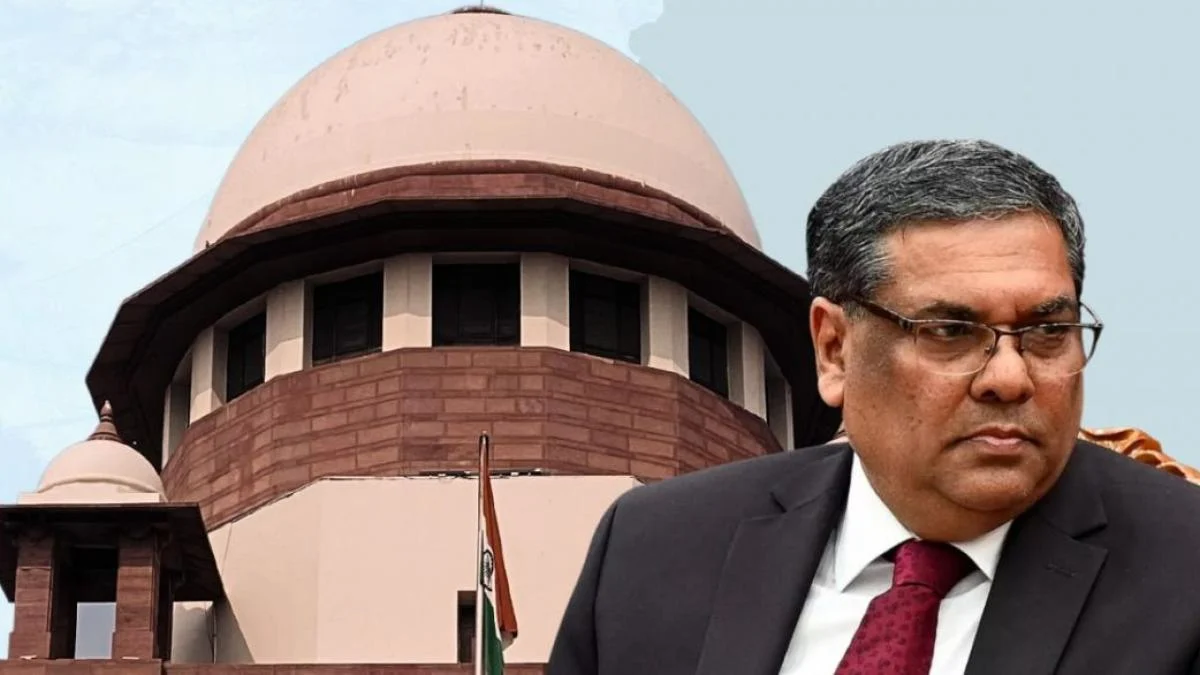
Chief Justice of India (CJI) Sanjiv Khanna retired on May 13, concluding a tenure noted for bold judicial interventions, procedural clarity, and institutional reform.
Born on May 14, 1960, Justice Khanna hails from a distinguished legal lineage. His father, Dev Raj Khanna, was a judge of the Delhi High Court, while his mother, Saroj Khanna, was a lecturer at Lady Shri Ram College. He is the nephew of Justice H.R. Khanna, the legendary Supreme Court judge who introduced the basic structure doctrine in the Kesavananda Bharati case (1973) and delivered the historic lone dissent in the ADM Jabalpur case (1976) during the Emergency—a moment of judicial courage that cost him the Chief Justice’s post in January 1977.
Justice Khanna’s grandfather, Sarav Dayal, a renowned advocate, was a member of the Indian National Congress Committee that investigated the 1919 Jallianwala Bagh massacre.
Appointed to the Supreme Court on January 18, 2019, Justice Khanna brought with him over 30 years of judicial and legal experience, having served in the Delhi High Court and as Senior Standing Counsel for the Income Tax Department.
Justice Sanjiv Khanna, born on May 14, 1960, served as the 51st Chief Justice of India (CJI) from November 11, 2024, until his retirement on May 13, 2025. His tenure, though brief, was marked by a steadfast commitment to constitutional values, judicial integrity, and institutional reform.
🏛️ Early Life and Legal Lineage:
Justice Khanna hails from a distinguished legal family:
- Father: Justice Dev Raj Khanna, former judge of the Delhi High Court.
- Mother: Saroj Khanna, a Hindi lecturer at Lady Shri Ram College.
- Uncle: Justice Hans Raj Khanna, renowned for his dissent in the ADM Jabalpur v. Shivkant Shukla case during the Emergency, upholding the inviolability of fundamental rights.
Educated at Modern School, Barakhamba Road, Justice Khanna graduated from St. Stephen’s College, Delhi, in 1980, and earned his law degree from the Campus Law Centre, University of Delhi, in 1983.
⚖️ Legal and Judicial Career:
- Advocacy: Enrolled with the Bar Council of Delhi in 1983, he practiced in the Delhi High Court, specializing in constitutional law, taxation, arbitration, commercial law, environmental law, and medical negligence.
- Judiciary:
- Appointed as an Additional Judge of the Delhi High Court on June 24, 2005, and became a Permanent Judge on February 20, 2006.
- Elevated to the Supreme Court of India on January 18, 2019.
🏛️ Tenure as Chief Justice of India:
Justice Khanna assumed the role of CJI on November 11, 2024, succeeding Justice D.Y. Chandrachud. His six-month tenure was characterized by:
- Judicial Integrity: Emphasized that public trust in the judiciary must be earned, not commanded.
- Mentorship: Encouraged young lawyers to take the lead in legal matters, fostering a culture of inclusivity and growth within the legal community.
- Post-Retirement Stance: Declared he would not accept any post-retirement governmental positions, underscoring his commitment to judicial independence.
🧑⚖️ Notable Judgments:
Justice Khanna contributed to several landmark judgments, including:
- Electoral Bonds Case: Played a pivotal role in overturning the electoral bonds scheme, emphasizing transparency in political funding.
- Article 370: Supported the government’s decision to abrogate parts of Article 370, impacting the special status of Jammu and Kashmir.
- Electronic Voting Machines (EVMs): Upheld the use of EVMs, highlighting their role in reducing electoral malpractices.
👨👩👧 Personal Life:
Justice Khanna is married and has two children.