Senior Advocate Kapil Sibal Criticises NCERT Over Judicial Corruption Textbook Controversy
Lexpedia News · 1 March 2026 · 6 min read
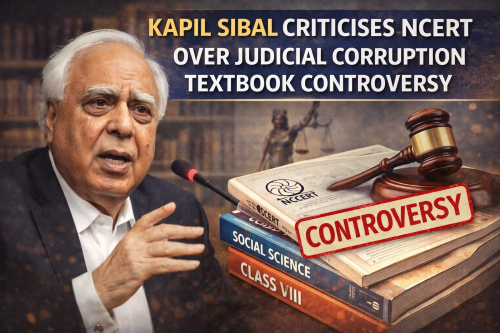
Senior Advocate Kapil Sibal has strongly criticised the inclusion of a chapter on “corruption in the judiciary” in the newly revised Class 8 social science textbook published by the National Council of Educational Research and Training (NCERT), asserting that the controversial chapter “wouldn’t have happened if judges had properly done their duties.” His comments came amid intense national debate over the Supreme Court’s suo motu intervention into the textbook controversy and subsequent orders.
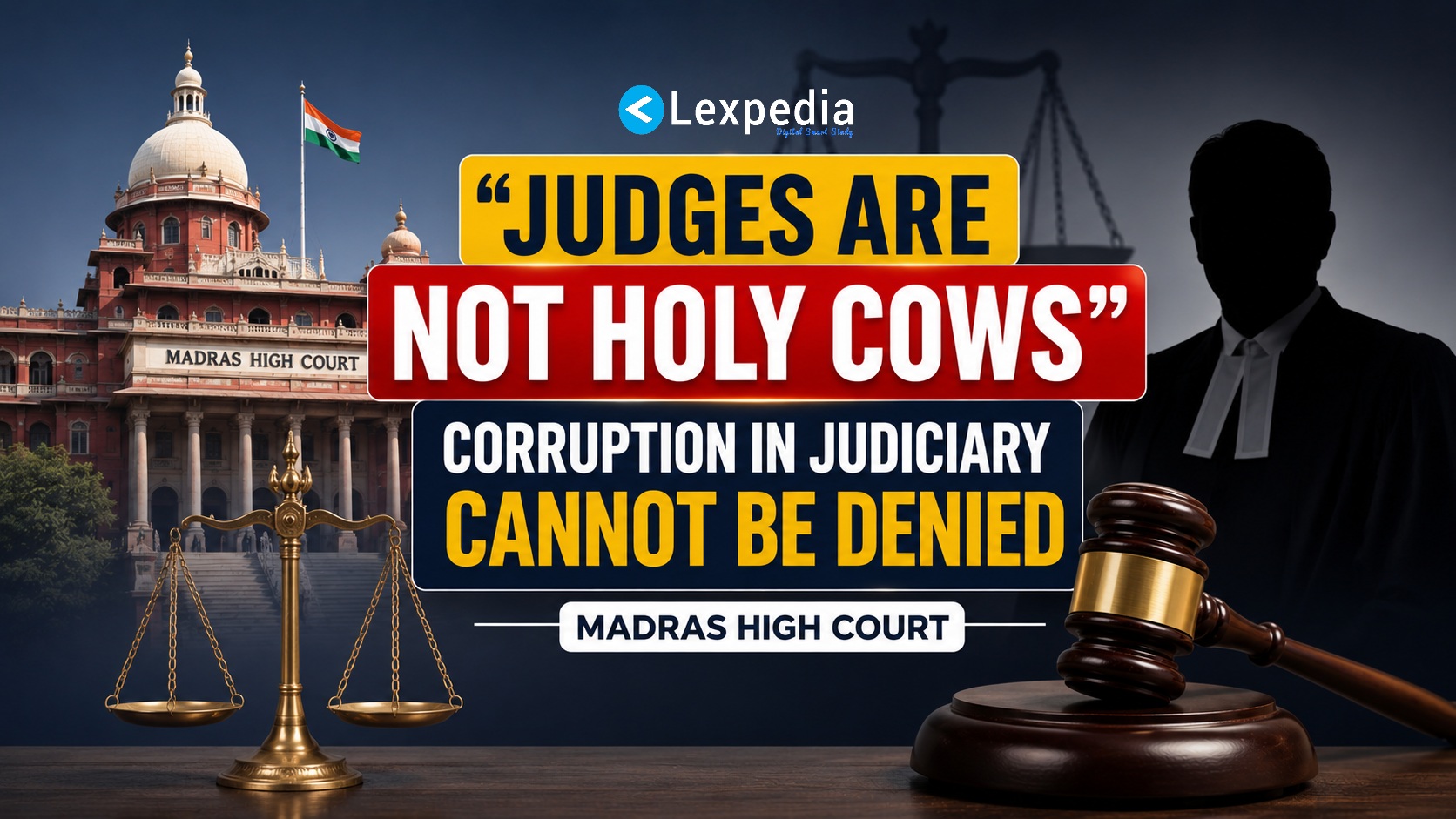
The NCERT chapter titled “The Role of the Judiciary in Our Society” included discussion of challenges faced by India’s judicial system, including allegations of corruption, massive case backlogs, and shortage of judges, listing hundreds of thousands of pending cases across courts. The chapter went beyond explaining the structure of courts to highlight systemic issues.
Sibal voiced concern that while discussing societal corruption is necessary, focusing solely on the judiciary and teaching young children that judges are corrupt was misleading, selective, and harmful. He argued that political corruption, bureaucratic corruption, and investigative agency misconduct were far more pervasive and should not be ignored. According to Sibal, the issue itself reflected a breakdown of constitutional morality and declining public confidence in institutions.
He said:
“You saw that chapter in a Class 8 textbook. Now, there is no gainsaying that there is corruption in the judiciary. There are some bad pennies everywhere… But how is it that it has suddenly found its place in a Class 8 book? Would it have found place … had judges performed their duties consistent with constitutional morality?”
Sibal made these remarks during the Justice Unplugged 2026 event, organised by The Hindu in association with VIT School of Law, while speaking on “Constitutional Morality and the Supreme Court of India: Has the Court Moved from Constitutionalism to Pragmatism?” alongside The Hindu Director M Ram.
Supreme Court’s Suo Motu Action And NCERT Response
The controversy erupted after the Supreme Court took suo motu cognisance of the textbook’s content on judicial corruption, terming the chapter objectionable and potentially damaging to the judiciary’s stature. The Bench, led by Chief Justice of India Surya Kant, along with Justices Joymalya Bagchi and Vipul M Pancholi, noted that the material appeared to be a calculated move to undermine and demean the judiciary’s dignity and struck at public confidence in the institution.
The apex court ordered the seizure of all existing textbooks, banned their circulation in all forms, and directed the School Education Secretary and NCERT Director to explain why contempt proceedings should not be initiated against them for allowing the chapter.
In response, NCERT acknowledged the lapse, admitting an “error in judgment,” and withdrew the textbook from circulation and from its website. The council stated that the controversial text would be rewritten in consultation with appropriate authorities for future academic use.
Political And Public Reaction
The textbook row elicited reactions from political leaders and government authorities:
- Union Education Minister Dharmendra Pradhan stated that the government had “utmost respect for the judiciary” and vowed action against those responsible for the controversial chapter.
- Bharatiya Janata Party (BJP) leaders, including spokesperson Sambit Patra, reiterated respect for the judicial system, calling it an impartial and globally respected institution.
Broader Issues Highlighted By Sibal
Beyond the textbook controversy, Sibal critiqued what he saw as a broader erosion of constitutional morality in India’s institutional framework. He pointed to alleged failures by courts in dealing with issues like hate speech and the frequent arrests of student protestors, suggesting that dissent was being stifled and constitutional mechanisms were being underutilised, often relegated to High Courts instead of being addressed directly by the Supreme Court.
Sibal also criticised the use of stringent legal tools like the PMLA (Prevention of Money Laundering Act) and UAPA (Unlawful Activities (Prevention) Act) against opposition figures, contending that these have been wielded more often against opponents than against the ruling establishment.
He commented on rising intolerance and stressed that genuine democratic discourse requires engagement with dissent and protection of minority rights — issues he believes are central to safeguarding secular and democratic constitutional values.
कपिल सिब्बल ने एनसीईआरटी के न्यायपालिका भ्रष्टाचार चैप्टर पर तीखी निंदा की
वरिष्ठ अधिवक्ता कपिल सिब्बल ने NCERT द्वारा प्रकाशित नई कक्षा 8 सामाजिक विज्ञान की पाठ्यपुस्तक में शामिल “न्यायपालिका में भ्रष्टाचार” संबंधी अध्याय की कड़ी आलोचना की है। उन्होंने कहा कि यह विवादित विषय “अदालतों ने यदि संवैधानिक मर्यादा के अनुरूप अपनी ड्यूटी निभाई होती तो कभी पाठ्यपुस्तक में नहीं आता।”
इस अध्याय में न्यायपालिका से जुड़ी कई चुनौतियों — जैसे भ्रष्टाचार, विशाल मामलों का बैकलॉग और न्यायाधीशों की कमी — का उल्लेख किया गया था, जो अब विवाद का केंद्र बन गया है। इसके अलावा, अध्याय में न्यायपालिका की संरचना से आगे बढ़ते हुए इन समस्याओं के सामाजिक प्रभाव पर भी बातें की गई थीं।
सिब्बल ने कहा कि समाज में भ्रष्टाचार के मुद्दों पर शिक्षा देना आवश्यक है, लेकिन यदि केवल न्यायपालिका को निशाना बनाया जाए और यह बताया जाए कि न्यायधीश भ्रष्ट हैं, तो यह 13–14 वर्ष के बच्चों के मन में एक गलत संदेश देगा। उन्होंने यह भी कहा कि राजनीतिक, प्रशासनिक और जांच एजेंसियों में भ्रष्टाचार भी उतना ही व्यापक है जिसे नजरअंदाज नहीं किया जाना चाहिए।
उन्होंने कहा:
“जब लोग सामान्य रूप से मानने लगते हैं कि संस्था भ्रष्ट है, तब इस प्रकार का अध्याय कक्षा 8 में स्थान पाता है — जो न्यायपालिका स्वयं पर ही सवाल उठाने का कारण है।”
सुप्रीम कोर्ट की स्वतः संज्ञान कार्रवाई और NCERT की प्रतिक्रिया
सुप्रीम कोर्ट ने मामले को सुओ मोटो लेते हुए कड़ी टिप्पणियाँ कीं कि यह अध्याय न्यायपालिका की गरिमा को धूमिल करने जैसा प्रतीत होता है। मुख्य न्यायाधीश सूर्यकांत, न्यायमूर्ति जॉयमाल्या बागची और न्यायमूर्ति विपुल एम पंचोली की बेंच ने आपत्तिजनक सामग्री पर आपत्ति जताई और सभी मौजूदा पुस्तकों को जब्त करने, उनके प्रसार पर रोक लगाने और संबंधित अधिकारियों को जवाब देने के लिए कहा।
NCERT ने बाद में “गलत निर्णय” स्वीकार करते हुए पाठ्यपुस्तक को वेबसाइट और बाजार से हटा दिया और कहा कि विवादित भाग को पुनर्लेखन के बाद आगामी शैक्षणिक सत्र के लिए उपलब्ध कराया जाएगा.
राजनीतिक और सार्वजनिक प्रतिक्रियाएँ
- केंद्रीय शिक्षा मंत्री धर्मेंद्र प्रधान ने कहा कि सरकार को न्यायपालिका के प्रति “गहरी सम्मान भावना” है और दोषियों के खिलाफ कार्रवाई सुनिश्चित की जाएगी।
- BJP के Sambit Patra ने कहा कि भारतीय न्यायपालिका को विश्वस्तरीय स्वतंत्र संस्था माना जाता है और इसे ‘गर्व और सम्मान’ मिलना चाहिए।
सिब्बल के अन्य विचार
सिब्बल ने यह भी कहा कि देश में संवैधानिक मर्यादा में गिरावट आई है, निर्णय लेने वाले संस्थानों की भूमिका कमजोर हुई है और असहमति जताने वालों को अक्सर उच्च न्यायालयों तक सीमित कर दिया जाता है। उन्होंने यह दावा किया कि सख्ती से कानून के तरीकों का अधिक इस्तेमाल सिर्फ विपक्ष के खिलाफ होता है।