DNA Test Absence No Bar for Conviction: Srinagar Court Convicts Railway Employee After 14 Years for Raping a Minor
Lexpedia News · 17 June 2026 · 8 min read
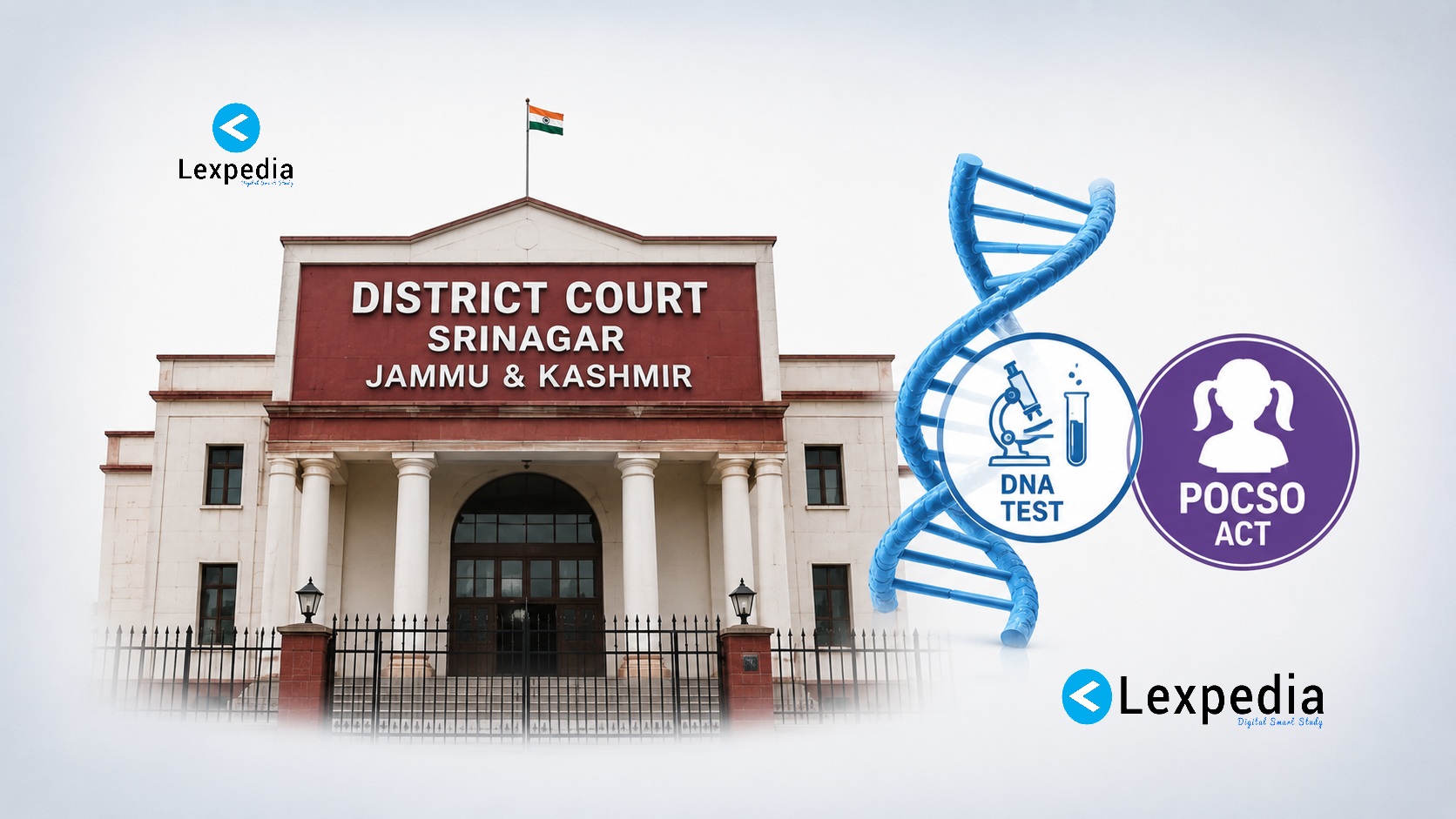
With this vital legal clarification, Additional Sessions Judge Farooq Ahmad Bhat convicted a railway employee, Imtiyaz Ahmad Rather, for kidnapping, wrongfully confining, and repeatedly raping a 13-year-old schoolgirl. The verdict concludes a grueling legal battle that spanned over 14 years.
The Sequence of the 2012 Crime
According to the prosecution's case, the incident took place in July 2012. The accused, Imtiyaz Ahmad Rather, was posted as a railway employee at Hamray. The victim, a minor studying in Class 9, had left her home for a picnic on July 10, 2012, and reached the Hamray Railway Station.
The accused enticed the minor girl and took her to his nearby government residential quarter. He kept her wrongfully confined there for two days and two nights, subjecting her to forcible sexual intercourse multiple times. On July 13, 2012, the victim managed to escape from his custody, reached Pattan, and lodged a written report with the police.
The Legal Action and Investigation
Following the complaint, the case was transferred to the Police Station Railway Hamray, where a formal First Information Report (FIR) was registered. The accused was booked under Sections 363 (kidnapping), 376 (rape), and 342 (wrongful confinement) of the Ranbir Penal Code (RPC), which was applicable in the region at the time of the offense.
To prove its case, the prosecution produced 15 witnesses, including:
-
The prosecutrix (the victim)
-
Medical officers who examined the victim immediately after her escape
-
Police officials involved in the investigation
-
School authorities to conclusively establish the victim's minor status
The defense called four witnesses, claiming that the accused was falsely implicated due to a personal rivalry with the Investigating Officer, and asserted an alibi that he was on duty at a distant gate.
Key Findings and Rulings by the Court
1. Trustworthiness of Victim's Testimony
The Court noted that the victim narrated the horrific sequence of events in a highly cogent, consistent, and unequivocal manner. Despite intense cross-examination by the defense, she remained steadfast and unwavering. The Court remarked that the victim even wept in the courtroom while recounting her ordeal, observing that her statement stood on a much higher footing than an ordinary or injured witness because a victim of a sexual offence is never an accomplice.
2. Absence of DNA Test Does Not Materially Affect the Case
Addressing the defense's heavy reliance on the fact that no DNA test was conducted, Judge Farooq Ahmad Bhat ruled:
"The lapse or omission to carry out DNA profiling, by itself, cannot be permitted to decide the fate of trial for the offence of rape. Even if such a flaw or defect has occurred in the investigation in the given case, the court has still a duty to consider whether the material and evidence available on the record before it is enough and cogent to prove the case of the prosecution."
Since the case relied on direct, untainted eyewitness testimony from the victim who clearly identified her attacker, the lack of DNA analysis did not prejudice the defense.
3. Minor Status of the Victim Proven
The prosecution presented the school Principal and the Admission Clerk along with the official school admission registers. It was established that the victim's date of birth was July 24, 1999. Thus, at the time of the occurrence in July 2012, she was approximately 13 years old and legally a minor.
4. Corroborative Medical Evidence
The medical officer, Dr. Rubina, testified that her examination of the victim on July 13, 2012, revealed physical trauma, a ruptured hymen, and the presence of dead spermatozoa in the vaginal smear. The medical opinion indicated that sexual intercourse had taken place roughly 8 hours before the clinical examination, strongly corroborating the timeline given by the victim.
5. Delays in FIR Explained
The defense attempted to exploit the slight delay in formal registration, but the court brushed it aside. Relying on the landmark Supreme Court of India ruling in State of Punjab v. Gurmit Singh (1996), the court emphasized that natural delays in filing an FIR in sexual offenses cannot benefit the accused due to the social stigma and trauma involved.
The Verdict
Invoking historical precedents like Bharwada Bhoginbhai Hirjibhai v. State of Gujarat (1983), the court reiterated that refusing to act on a trustworthy victim's statement without external corroboration adds insult to injury.
Finding the prosecution's evidence airtight and beyond reasonable doubt, the Srinagar Court held Imtiyaz Ahmad Rather guilty under Sections 363, 376, and 342 of the RPC and officially convicted him.
डीएनए टेस्ट न होना दोषसिद्धि में बाधा नहीं: श्रीनगर अदालत ने 14 साल बाद नाबालिग से दुष्कर्म के मामले में रेलवे कर्मचारी को दोषी ठहराया
इस महत्वपूर्ण कानूनी व्यवस्था के साथ, अतिरिक्त सत्र न्यायाधीश फारूक अहमद भट ने एक रेलवे कर्मचारी, इम्तियाज अहमद राथर को एक 13 वर्षीय स्कूली छात्रा का अपहरण करने, उसे बंधक बनाने और उसके साथ बार-बार दुष्कर्म करने का दोषी करार दिया। इस फैसले के साथ ही 14 साल से अधिक समय से चली आ रही एक लंबी कानूनी लड़ाई का अंत हो गया है।
2012 की घटना का क्रम
अभियोजन पक्ष के अनुसार, यह घटना जुलाई 2012 की है। आरोपी इम्तियाज अहमद राथर हमरे (Hamray) में रेलवे कर्मचारी के रूप में तैनात था। पीड़िता, जो नौवीं कक्षा की छात्रा थी, 10 जुलाई 2012 को पिकनिक के लिए अपने घर से निकली थी और हमरे रेलवे स्टेशन पहुंची थी।
आरोपी ने नाबालिग लड़की को बहला-फुसलाकर अपने नजदीकी सरकारी आवासीय क्वार्टर में ले गया। उसने उसे दो दिनों और दो रातों तक वहां अवैध रूप से बंधक बनाकर रखा और उसके साथ कई बार जबरन शारीरिक संबंध बनाए। 13 जुलाई 2012 को पीड़िता किसी तरह उसके चंगुल से भागने में सफल रही, पट्टन पहुंची और पुलिस में लिखित शिकायत दर्ज कराई।
कानूनी कार्रवाई और जांच
शिकायत के बाद, मामला रेलवे पुलिस स्टेशन हमरे को स्थानांतरित कर दिया गया, जहां एक औपचारिक प्रथम सूचना रिपोर्ट (एफआईआर) दर्ज की गई। आरोपी के खिलाफ तत्कालीन लागू रणबीर दंड संहिता (आरपीसी) की धारा 363 (अपहरण), 376 (दुष्कर्म), और 342 (अवैध रूप से बंधक बनाना) के तहत मामला दर्ज किया गया।
अपने मामले को साबित करने के लिए, अभियोजन पक्ष ने 15 गवाहों को पेश किया, जिनमें शामिल थे:
-
पीड़िता (अभियोजक) खुद
-
चिकित्सा अधिकारी जिन्होंने पीड़िता के भागने के तुरंत बाद उसकी जांच की थी
-
जांच में शामिल पुलिस अधिकारी
-
पीड़िता के नाबालिग होने की पुष्टि करने वाले स्कूल के अधिकारी
बचाव पक्ष ने चार गवाह पेश किए और दावा किया कि जांच अधिकारी के साथ व्यक्तिगत दुश्मनी के कारण आरोपी को झूठा फंसाया गया था, साथ ही उसने यह दलील भी दी कि वह घटना के समय दूर किसी अन्य गेट पर ड्यूटी पर तैनात था।
अदालत के मुख्य निष्कर्ष और निर्णय
1. पीड़िता के बयान की विश्वसनीयता
अदालत ने पाया कि पीड़िता ने पूरी घटना का विवरण अत्यंत सुसंगत, स्पष्ट और दृढ़ तरीके से दिया। बचाव पक्ष द्वारा की गई कड़ी जिरह के बावजूद वह अपने बयान पर अडिग रही। अदालत ने यह भी नोट किया कि गवाही देते समय पीड़िता अदालत कक्ष में रो पड़ी थी। अदालत ने कहा कि यौन अपराध के मामले में पीड़िता का बयान किसी आम गवाह या घायल गवाह की तुलना में कहीं अधिक उच्च स्तर पर होता है, क्योंकि पीड़िता कभी भी अपराध में सहयोगी (accomplice) नहीं होती।
2. डीएनए टेस्ट का न होना मामले को प्रभावित नहीं करता
बचाव पक्ष द्वारा इस बात पर जोर दिए जाने कि मामले में कोई डीएनए टेस्ट नहीं कराया गया था, न्यायाधीश फारूक अहमद भट ने फैसला सुनाया:
"डीएनए प्रोफाइलिंग करने में हुई चूक या लापरवाही को अपने आप में दुष्कर्म के अपराध के मुकदमे का भाग्य तय करने की अनुमति नहीं दी जा सकती। भले ही दिए गए मामले में जांच में ऐसी कोई खामी या त्रुटि हुई हो, फिर भी अदालत का यह कर्तव्य है कि वह विचार करे कि रिकॉर्ड पर उपलब्ध सामग्री और सबूत अभियोजन पक्ष के मामले को साबित करने के लिए पर्याप्त और ठोस हैं या नहीं।"
चूंकि यह मामला पीड़िता की सीधी और स्पष्ट गवाही पर आधारित था, जिसने अपने हमलावर की पहचान की थी, इसलिए डीएनए जांच की अनुपस्थिति से बचाव पक्ष के अधिकारों को कोई नुकसान नहीं पहुंचा।
3. पीड़िता का नाबालिग होना साबित
अभियोजन पक्ष ने स्कूल के प्रधानाचार्य, प्रवेश लिपिक और आधिकारिक स्कूल प्रवेश रजिस्टर को अदालत के सामने पेश किया। इससे यह साबित हुआ कि पीड़िता की जन्म तिथि 24 जुलाई 1999 थी। इस प्रकार, जुलाई 2012 में घटना के समय उसकी आयु लगभग 13 वर्ष थी और वह कानूनी रूप से नाबालिग थी।
4. चिकित्सीय साक्ष्य द्वारा पुष्टि
चिकित्सा अधिकारी डॉ. रुबीना ने गवाही दी कि 13 जुलाई 2012 को पीड़िता की जांच के दौरान शारीरिक चोटें, हाइमन का फटा होना और योनि स्मीयर में मृत शुक्राणुओं (spermatozoa) की उपस्थिति पाई गई थी। चिकित्सकीय राय के अनुसार, शारीरिक संबंध जांच से लगभग 8 घंटे पहले बनाए गए थे, जो पीड़िता द्वारा बताए गए घटनाक्रम की पूरी तरह पुष्टि करता है।
5. एफआईआर में देरी का स्पष्टीकरण
बचाव पक्ष ने एफआईआर दर्ज होने में हुई मामूली देरी का फायदा उठाने की कोशिश की, लेकिन अदालत ने इसे खारिज कर दिया। भारत के सर्वोच्च न्यायालय द्वारा स्टेट ऑफ पंजाब बनाम गुरमीत सिंह (1996) मामले में दिए गए ऐतिहासिक फैसले का हवाला देते हुए अदालत ने कहा कि यौन अपराधों में सामाजिक प्रतिष्ठा और मानसिक आघात के कारण एफआईआर दर्ज कराने में होने वाली स्वाभाविक देरी का लाभ आरोपी को नहीं दिया जा सकता।
अदालत का अंतिम फैसला
भरवाड़ा भोगीनभाई हीरजीभाई बनाम स्टेट ऑफ गुजरात (1983) जैसे ऐतिहासिक न्यायिक उदाहरणों का उल्लेख करते हुए अदालत ने दोहराया कि बिना किसी बाहरी पुष्टि के एक विश्वसनीय पीड़िता के बयान पर कार्रवाई करने से इनकार करना उसके घावों पर नमक छिड़कने जैसा है।
अदालत ने अभियोजन पक्ष के सबूतों को पूरी तरह से अकाट्य और संदेह से परे पाते हुए श्रीनगर की अदालत ने इम्तियाज अहमद राथर को आरपीसी की धारा 363, 376 और 342 के तहत दोषी ठहराया।