2.07 Crore Cases Settled In 2nd National Lok Adalat 2026; ₹3,440 Crore Settlement Recorded
Lexpedia News · 9 May 2026 · 8 min read
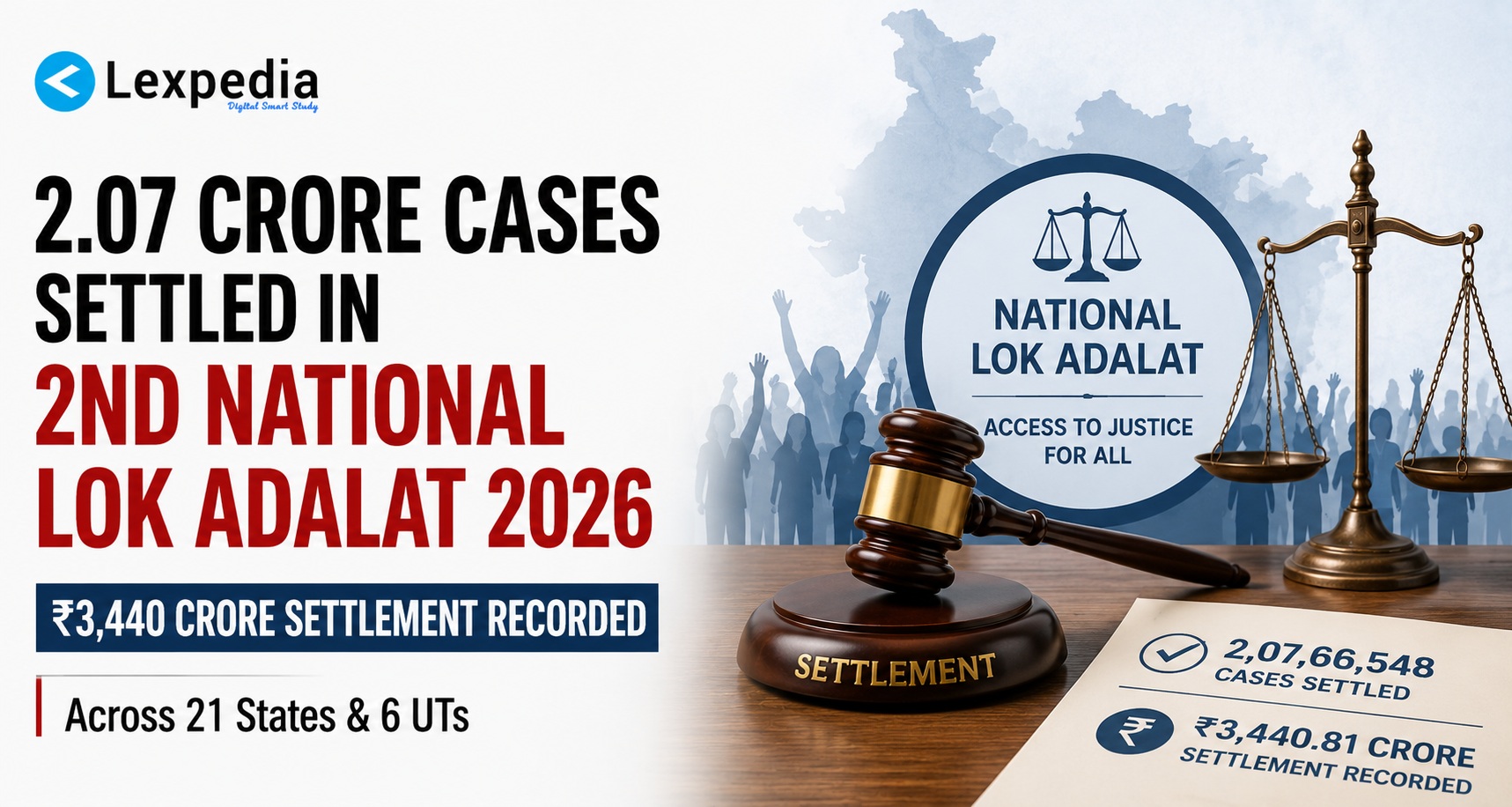
The National Legal Services Authority (NALSA) has announced that the 2nd National Lok Adalat of 2026, held across the country on May 9, resulted in the settlement of an extraordinary 2,07,66,548 cases with a total settlement value of approximately ₹3,440.81 crore. The massive disposal once again highlighted the growing role of Lok Adalats in reducing judicial pendency and promoting speedy dispute resolution in India.
According to NALSA, the disposed matters included:
- 1,87,63,883 pre-litigation cases, and
- 20,02,665 pending court cases.
The Lok Adalat was organised under the leadership of:
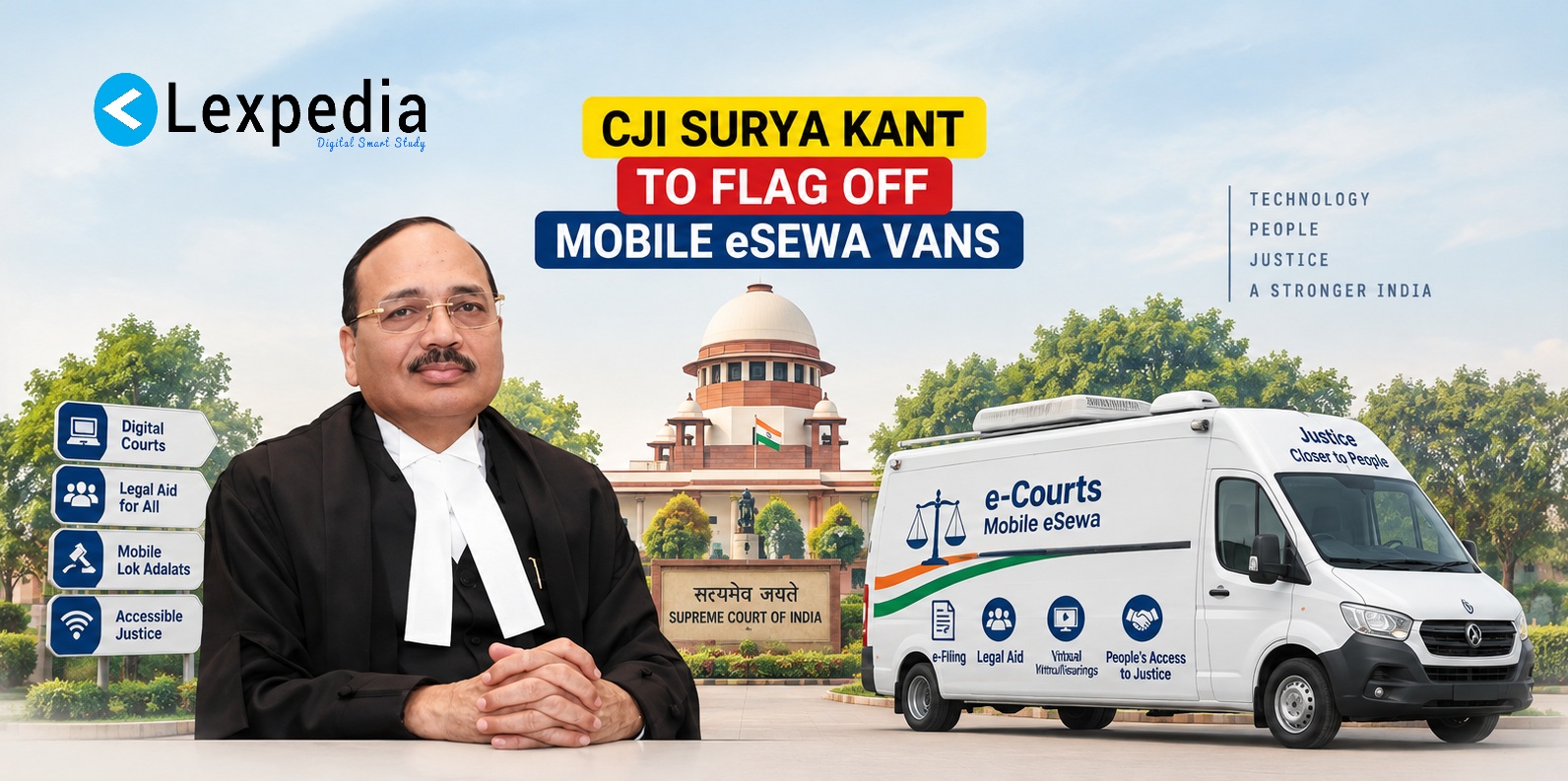
- Justice Surya Kant, Patron-in-Chief, NALSA, and
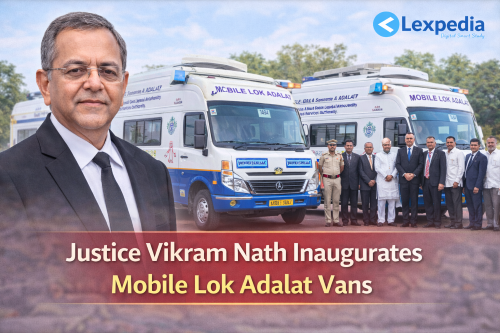
- Justice Vikram Nath, Executive Chairman, NALSA.
National Lok Adalat Conducted Across 21 States & 6 UTs
NALSA stated that the 2nd National Lok Adalat was conducted across:
- 21 States, and
- 6 Union Territories
through thousands of benches constituted in:
- district courts,
- High Courts,
- tribunals,
- consumer forums,
- Permanent Lok Adalats,
- and other dispute resolution centres.
The authority clarified that the figures are still provisional because:
- some States and Union Territories are holding Lok Adalats on later dates,
- and data from certain jurisdictions is still awaited.
NALSA explained that the comparatively lower figures, compared to the 1st National Lok Adalat of 2026, were due to staggered scheduling in multiple States and ongoing data consolidation.
States Conducting Lok Adalat On Later Dates
NALSA announced that National Lok Adalats in certain States and Union Territories will be conducted on later dates because of:
- summer vacations,
- administrative reasons,
- and court schedules.
According to the authority:
- Kerala, Puducherry, Tamil Nadu and West Bengal will hold Lok Adalats on June 13, 2026,
- Andaman & Nicobar Islands and Telangana on June 20, 2026,
- and Andhra Pradesh, Gujarat and Karnataka on July 11, 2026.
This means the overall national settlement figures are expected to rise further after the remaining jurisdictions submit their final data.
Justice Vikram Nath Highlights Importance Of Lok Adalats
Ahead of the nationwide Lok Adalat, Justice Vikram Nath emphasized the importance of alternative dispute resolution mechanisms in ensuring access to justice and reducing the burden on courts.
Justice Nath reportedly observed that unresolved litigation:
“has a deleterious impact on livelihoods, destabilizes familial structure, and erodes public faith in the efficacy of legal structure.”
He stressed that Lok Adalats play a critical role in:
- amicable settlement of disputes,
- restoring social harmony,
- and delivering affordable justice to ordinary citizens.
Wide Range Of Cases Taken Up
The National Lok Adalat handled an extensive variety of disputes, including:
- cheque bounce cases,
- bank recovery matters,
- matrimonial disputes (excluding divorce),
- labour disputes,
- motor accident claims,
- traffic challans,
- compoundable criminal offences,
- service matters,
- consumer disputes,
- land acquisition cases,
- arbitration matters,
- revenue disputes,
- succession matters,
- plea bargaining cases,
- and public utility disputes.
Special focus was also placed on long-pending cases identified through the National Judicial Data Grid (NJDG).
NALSA reiterated that the objective of Lok Adalats is not merely disposal of cases but:
- meaningful dispute resolution,
- reduction of litigation burden,
- and strengthening public trust in the justice delivery system.
Lok Adalat Awards Final & Binding
NALSA highlighted that awards passed by Lok Adalats are:
- final and binding on all parties,
- executable as civil court decrees,
- and generally non-appealable.
Another major benefit of settlement through Lok Adalats is that:
- court fees are refunded,
- proceedings are informal,
- and disputes are resolved quickly without prolonged litigation.
Legal experts note that this mechanism significantly helps:
- poor litigants,
- senior citizens,
- accident victims,
- and financially weaker parties who cannot afford lengthy litigation.
Comparison With First National Lok Adalat Of 2026
The 1st National Lok Adalat of 2026, held in March, had recorded settlement of:
- 2.84 crore cases,
- with settlement value exceeding ₹10,920 crore.
Although the current figures are comparatively lower, NALSA clarified that:
- all jurisdictions have not yet completed proceedings,
- and updated consolidated figures are expected later.
Punjab & Haryana High Court Lok Adalat Performance
As part of the nationwide initiative, the Punjab & Haryana High Court Legal Services Committee also organised a National Lok Adalat.
According to reports:
- 430 matters were listed,
- 182 cases were settled,
- and settlement awards exceeding ₹7.83 crore were granted.
Most of the settled matters involved:
- motor accident compensation claims,
- civil disputes,
- and other amicably resolvable matters.
Importance Of Lok Adalats In Indian Justice System
Lok Adalats are statutory mechanisms established under the Legal Services Authorities Act, 1987 for settlement of disputes through conciliation and compromise.
The system is considered one of the most important Alternative Dispute Resolution (ADR) mechanisms in India because it:
- reduces judicial backlog,
- encourages consensual settlements,
- provides speedy justice,
- and minimizes litigation costs.
Over the years, Lok Adalats have become particularly important in handling:
- traffic challans,
- bank recovery matters,
- motor accident compensation claims,
- utility disputes,
- and pre-litigation settlements.
NALSA Reiterates Commitment To Access To Justice
NALSA stated that it remains committed toward:
- free legal aid,
- legal awareness programs,
- mediation and conciliation,
- victim compensation schemes,
- legal services clinics,
- and strengthening the work of Para Legal Volunteers across India.
The authority emphasized that accessible justice remains one of the core constitutional goals of the legal services movement in India.
द्वितीय राष्ट्रीय लोक अदालत 2026 में 2.07 करोड़ मामलों का निपटारा, ₹3,440 करोड़ का सेटलमेंट दर्ज
National Legal Services Authority (NALSA) ने घोषणा की है कि 9 मई को आयोजित द्वितीय राष्ट्रीय लोक अदालत 2026 में पूरे देश में कुल 2,07,66,548 मामलों का निपटारा किया गया। इन मामलों में लगभग ₹3,440.81 करोड़ का सेटलमेंट दर्ज किया गया। यह उपलब्धि एक बार फिर दिखाती है कि लोक अदालतें भारत में लंबित मामलों को कम करने और त्वरित न्याय उपलब्ध कराने में महत्वपूर्ण भूमिका निभा रही हैं।
NALSA के अनुसार निपटाए गए मामलों में शामिल हैं:
- 1,87,63,883 प्री-लिटिगेशन मामले, तथा
- 20,02,665 लंबित न्यायालयीन मामले।
लोक अदालत का आयोजन:
- Justice Surya Kant, Patron-in-Chief, NALSA
- तथा Justice Vikram Nath, Executive Chairman, NALSA
के नेतृत्व में किया गया।
21 राज्यों और 6 केंद्रशासित प्रदेशों में आयोजित हुई लोक अदालत
NALSA ने बताया कि यह राष्ट्रीय लोक अदालत:
- 21 राज्यों,
- तथा 6 केंद्रशासित प्रदेशों
में आयोजित की गई।
देशभर में हजारों बेंचों का गठन:
- जिला न्यायालयों,
- हाई कोर्ट,
- ट्रिब्यूनल,
- उपभोक्ता मंचों,
- स्थायी लोक अदालतों,
- तथा अन्य विवाद निपटान केंद्रों
में किया गया।
NALSA ने स्पष्ट किया कि आंकड़े अभी अस्थायी हैं क्योंकि:
- कुछ राज्यों में लोक अदालत बाद में आयोजित होनी है,
- तथा कुछ क्षेत्रों का डेटा अभी प्राप्त नहीं हुआ है।
कुछ राज्यों में बाद में होगी राष्ट्रीय लोक अदालत
NALSA के अनुसार:
- Kerala, Puducherry, Tamil Nadu और West Bengal में लोक अदालत 13 जून 2026 को होगी,
- Andaman & Nicobar Islands तथा Telangana में 20 जून 2026 को,
- जबकि Andhra Pradesh, Gujarat और Karnataka में 11 जुलाई 2026 को आयोजित की जाएगी।
इस कारण अंतिम आंकड़े आने के बाद मामलों की संख्या और बढ़ सकती है।
Justice Vikram Nath ने बताई लोक अदालत की अहमियत
राष्ट्रीय लोक अदालत से पहले Justice Vikram Nath ने कहा कि लंबित मुकदमे:
“लोगों की आजीविका पर नकारात्मक प्रभाव डालते हैं, पारिवारिक संरचना को अस्थिर करते हैं और न्याय व्यवस्था में जनता का विश्वास कमजोर करते हैं।”
उन्होंने कहा कि लोक अदालतें:
- सुलह आधारित विवाद समाधान,
- सस्ती न्याय व्यवस्था,
- तथा न्याय तक आसान पहुंच
सुनिश्चित करने में महत्वपूर्ण भूमिका निभाती हैं।
कई प्रकार के मामलों का निपटारा
राष्ट्रीय लोक अदालत में विभिन्न प्रकार के मामलों का निपटारा किया गया, जिनमें शामिल हैं:
- cheque bounce cases,
- bank recovery matters,
- matrimonial disputes,
- labour disputes,
- motor accident claims,
- traffic challans,
- compoundable criminal cases,
- service matters,
- consumer disputes,
- land acquisition matters,
- arbitration cases,
- succession matters,
- plea bargaining,
- तथा public utility disputes।
NALSA ने विशेष रूप से National Judicial Data Grid (NJDG) के माध्यम से पहचाने गए पुराने लंबित मामलों पर भी जोर दिया।
लोक अदालत के निर्णय अंतिम और बाध्यकारी
NALSA ने बताया कि लोक अदालत द्वारा दिए गए निर्णय:
- अंतिम और बाध्यकारी होते हैं,
- सिविल कोर्ट डिक्री की तरह लागू किए जा सकते हैं,
- तथा सामान्यतः इनके खिलाफ अपील नहीं होती।
लोक अदालत से समझौता होने पर:
- कोर्ट फीस वापस मिलती है,
- मुकदमे जल्दी समाप्त होते हैं,
- तथा लंबी कानूनी प्रक्रिया से राहत मिलती है।
पहली राष्ट्रीय लोक अदालत 2026 से तुलना
मार्च 2026 में आयोजित पहली राष्ट्रीय लोक अदालत में:
- 2.84 करोड़ मामलों का निपटारा हुआ था,
- तथा लगभग ₹10,920 करोड़ का सेटलमेंट दर्ज हुआ था।
हालांकि इस बार आंकड़े कम हैं, लेकिन NALSA ने कहा कि अभी सभी राज्यों का डेटा प्राप्त नहीं हुआ है।
Punjab & Haryana High Court में भी सफल आयोजन
राष्ट्रीय पहल के तहत Punjab & Haryana High Court Legal Services Committee ने भी लोक अदालत आयोजित की।
रिपोर्ट के अनुसार:
- 430 मामलों को सूचीबद्ध किया गया,
- 182 मामलों का निपटारा हुआ,
- तथा ₹7.83 करोड़ से अधिक का सेटलमेंट हुआ।
भारतीय न्याय व्यवस्था में लोक अदालत का महत्व
लोक अदालतें Legal Services Authorities Act, 1987 के तहत स्थापित वैधानिक तंत्र हैं।
यह भारत की सबसे महत्वपूर्ण Alternative Dispute Resolution (ADR) व्यवस्थाओं में से एक मानी जाती हैं क्योंकि ये:
- लंबित मामलों को कम करती हैं,
- आपसी समझौते को बढ़ावा देती हैं,
- कम खर्च में न्याय उपलब्ध कराती हैं,
- तथा न्यायपालिका पर बोझ कम करती हैं।
NALSA ने न्याय तक पहुंच की प्रतिबद्धता दोहराई
NALSA ने कहा कि वह:
- free legal aid,
- legal awareness programmes,
- mediation,
- victim compensation schemes,
- legal service clinics,
- तथा Para Legal Volunteers
के माध्यम से न्याय तक पहुंच सुनिश्चित करने के लिए प्रतिबद्ध है।