US Withdrawal from WHO
Lexpedia · 23 January 2025 · 4 min read
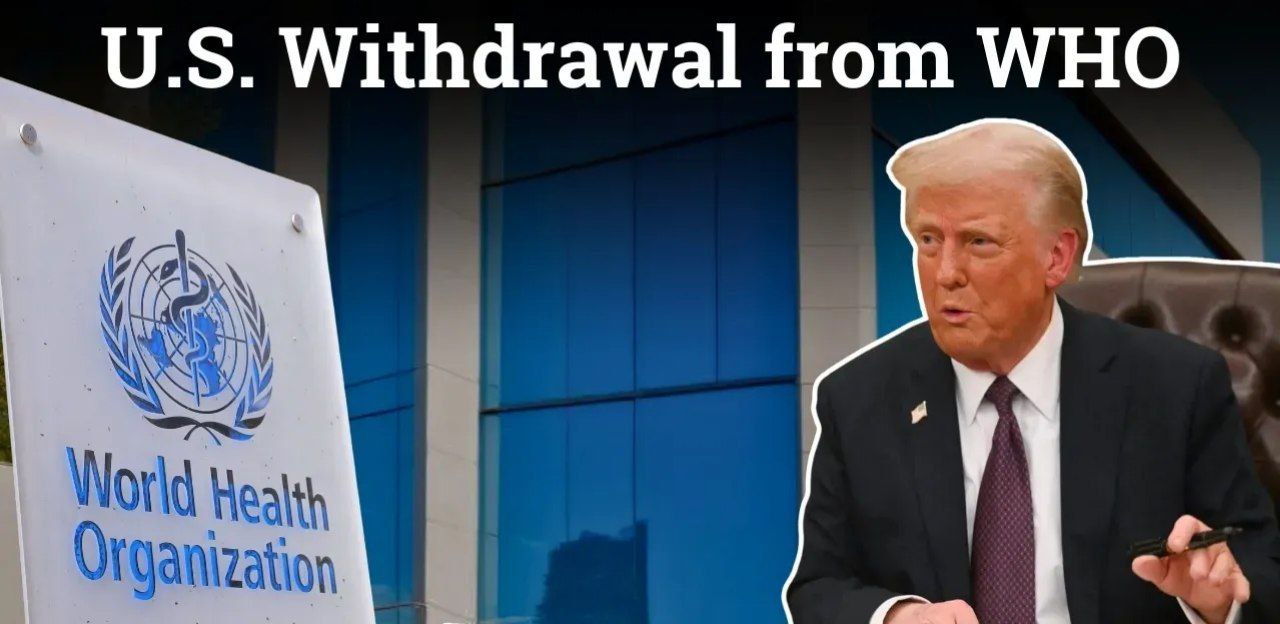
On his first day in office, President Donald Trump signed an executive order to withdraw the United States from the World Health Organization (WHO). This marks the second attempt by Trump to exit the global health body, originally initiated in 2020. His withdrawal decision came in response to dissatisfaction with WHO’s handling of the COVID-19 pandemic, perceived political bias, and the disproportionate financial burden placed on the U.S. compared to other nations, including China. While this decision was reversed by President Joe Biden in 2021, the recent executive order reintroduces the debate over the U.S.'s role in global health diplomacy and multilateral cooperation.
Key Reasons for Withdrawal
- Mishandling of the COVID-19 Pandemic: Trump criticized WHO for its delayed response to the pandemic and for allegedly being lenient towards China in the early stages of the outbreak, which he argued hindered a more effective global response.
- Perceived Political Bias: The Trump administration accused WHO of being overly influenced by certain member states, particularly China, thereby undermining the organization’s impartiality and effectiveness in its response to global health issues.
- Financial Burden: The U.S. has been the largest financial contributor to WHO, paying between $100 to $122 million annually in membership dues, alongside nearly $1.3 billion in voluntary contributions. Trump argued that this financial commitment was unfair, especially when compared to China’s significantly lower contributions.
Immediate Actions Outlined in the Executive Order
- Halt in U.S. Funding: The order mandates the immediate cessation of all financial transfers to WHO, affecting the organization’s ability to operate and carry out key health initiatives.
- Personnel Withdrawal: U.S. government employees working with WHO would be recalled, disrupting cooperation between American health experts and the organization.
- Development of Alternatives: The U.S. plans to identify and establish credible domestic and international partners to take over some of WHO’s functions, reducing reliance on the global health body.
- Pandemic Treaty Exit: The U.S. would discontinue participation in the WHO’s pandemic treaty negotiations, which aims to establish better frameworks for global health responses in future pandemics.
U.S. Withdrawal from WHO: Implications
- Financial Strain on WHO: The U.S. contributes about 20% of WHO’s total funding. A withdrawal of U.S. financial support would leave a significant funding gap, severely limiting WHO’s ability to conduct health programs like vaccine development, disease eradication, and pandemic preparedness.
- Program Disruptions in Developing Nations: WHO supports numerous health initiatives globally, including critical programs in developing countries like India. A significant reduction in WHO’s funding could impact global health priorities, such as immunization campaigns, disease surveillance, and health infrastructure improvements.
- Loss of Expertise: The U.S. has contributed substantial expertise to global health initiatives through agencies like the Centers for Disease Control and Prevention (CDC). The withdrawal would weaken WHO’s ability to carry out effective global health surveillance and response.
U.S. Withdrawal from WHO: Domestic Consequences
- Limited Access to Global Health Data: The U.S. would lose access to critical global health information provided by WHO, including emerging infectious diseases and epidemic trends, which could leave the country vulnerable to new health threats without timely information.
- Vaccine Preparedness: WHO plays a pivotal role in vaccine coordination, including the collection of influenza strain samples used to develop vaccines. Withdrawing from the organization could hinder the U.S.’s access to these essential resources, potentially leading to higher rates of hospitalization and mortality from preventable diseases like the flu.
- Reduced Influence in Global Health Policy: By withdrawing from WHO, the U.S. would significantly reduce its influence in shaping global health policies, potentially creating a leadership vacuum in international health discussions, which could be filled by other nations, like China. This may diminish the U.S.'s diplomatic leverage in future global health negotiations.
Geopolitical Shifts and the Role of Emerging Economies
The U.S. withdrawal from WHO may lead to an increased role for China and other emerging economies, particularly in the Global South, in global health governance.
- China’s Role: China has already pledged $30 million in additional funding to WHO, and its increased financial and diplomatic support could enhance its influence in shaping WHO’s policies and global health agendas.
- Opportunities for India: Experts suggest that India, with its leadership in vaccine production and its growing stature as the "voice of the Global South," could step up to play a more prominent role in shaping a more balanced global health framework. India’s involvement could provide a counterbalance to China’s growing influence in global health governance.