Supreme Court Sets Aside ₹425.27 Crore Customs Penalty After Authority Relied on AI-Generated Fake Case Laws
Lexpedia News · 2 September 2026 · 13 min read
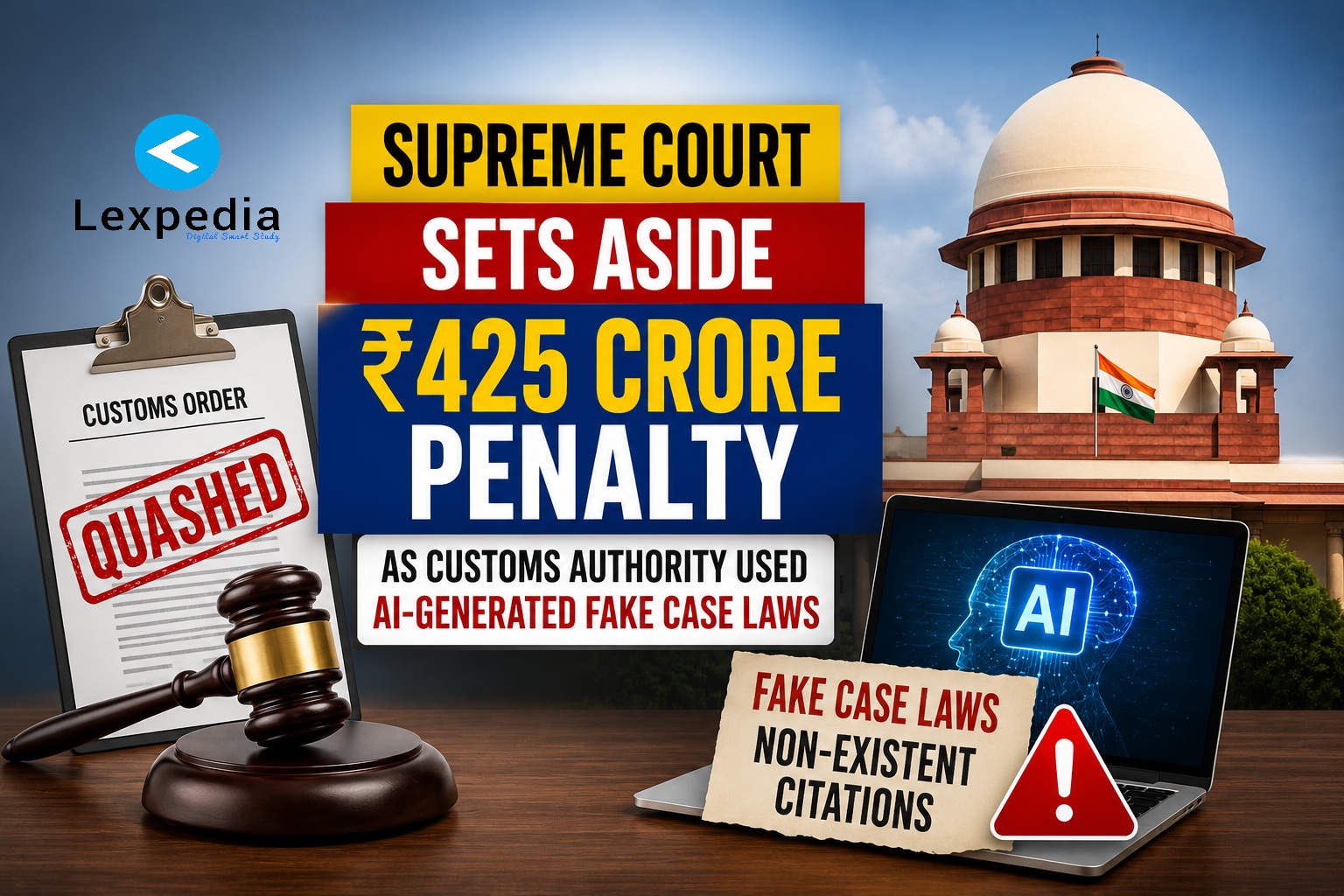
The Supreme Court of India has set aside a ₹425.27 crore penalty imposed by the Customs Department on a diamond trader after finding that the adjudicating authority had relied upon non-existent judicial precedents, fake citations and judgments that did not support the legal propositions attributed to them, which appeared to have been generated or hallucinated by Artificial Intelligence (AI).
A Bench comprising Justice Dipankar Datta and Justice Sheel Nagu allowed the appeal filed by Vijay Ghanshyam Gadiya and quashed both the Gujarat High Court's order dated January 20, 2026 and the original Customs adjudication order dated October 8, 2025.
The case is Vijay Ghanshyam Gadiya v. Union of India & Anr., reported as 2026 LiveLaw (SC) 884.
₹425.27 Crore Penalty Imposed by Customs
The dispute arose from proceedings concerning the export of diamonds through M/s Universal Gems, operating from the Surat Special Economic Zone.
The Customs authorities had alleged that natural diamonds were being exported under the guise of lab-grown diamonds, involving misdeclaration of both the nature and quantity of the diamonds.
The original Customs order, passed by the Additional Commissioner of Customs, Surat, on October 8, 2025, imposed a personal penalty of ₹425,27,99,100, i.e. approximately ₹425.27 crore, upon Vijay Ghanshyam Gadiya under Section 114 of the Customs Act, 1962.
The Gujarat High Court declined to interfere with the Customs order on January 20, 2026, following which Gadiya approached the Supreme Court.
What Was the Alleged Diamond Misdeclaration?
The earlier Customs proceedings concerned two consignments covered by shipping bills dated May 21 and May 25, 2021.
According to the Customs findings reproduced by the Gujarat High Court, the declared quantity was 23,301.75 carats, whereas examination found 58,089.13 carats of diamonds.
Laboratory identification further found that only 469.12 carats were lab-grown diamonds, while 57,620.01 carats were natural diamonds.
Thus, according to the Customs authorities, approximately 99.2% of the diamonds were natural diamonds, despite their being declared as lab-grown diamonds.
The Customs authority consequently concluded that Gadiya had facilitated and abetted the alleged improper export and imposed a penalty equivalent to the value of the relevant goods.
Supreme Court Examines the AI-Generated Case Laws
The crucial issue before the Supreme Court, however, concerned the legal authorities relied upon in the Customs adjudication order.
Gadiya's counsel pointed out that several judgments and legal articles cited in the Customs order appeared to have been generated using Artificial Intelligence.
The Supreme Court independently examined the authorities cited in the order.
The Bench found that:
- some of the cited cases did not exist;
- some contained fake or incorrect citations;
- some cases did exist, but did not lay down the legal proposition attributed to them; and
- the material therefore appeared to be the result of AI hallucination.
The Court specifically recorded that, upon verification, the Customs authority appeared to have relied on case laws that were either non-existent or carried fake citations. It further found that some existing decisions did not support the ratio attributed to them.
Supreme Court: AI Cannot Replace Adjudication
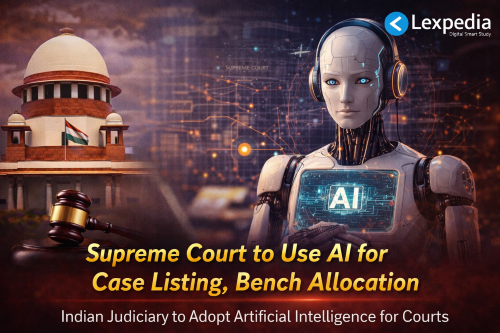
The Bench used the case to issue a broader warning about the use of AI in judicial and quasi-judicial decision-making.
The Court acknowledged that AI can be used as an assistive tool to improve efficiency and speed up decision-making.
However, it made it clear that technological assistance cannot substitute the human process of adjudication, verification, reasoning and application of law.
The Court observed:
“assistance can never be substituted for adjudication.”
It further cautioned that while AI may serve as “training wheels,” entrusting it with the “pilot's seat” would be imprudent and dangerous.
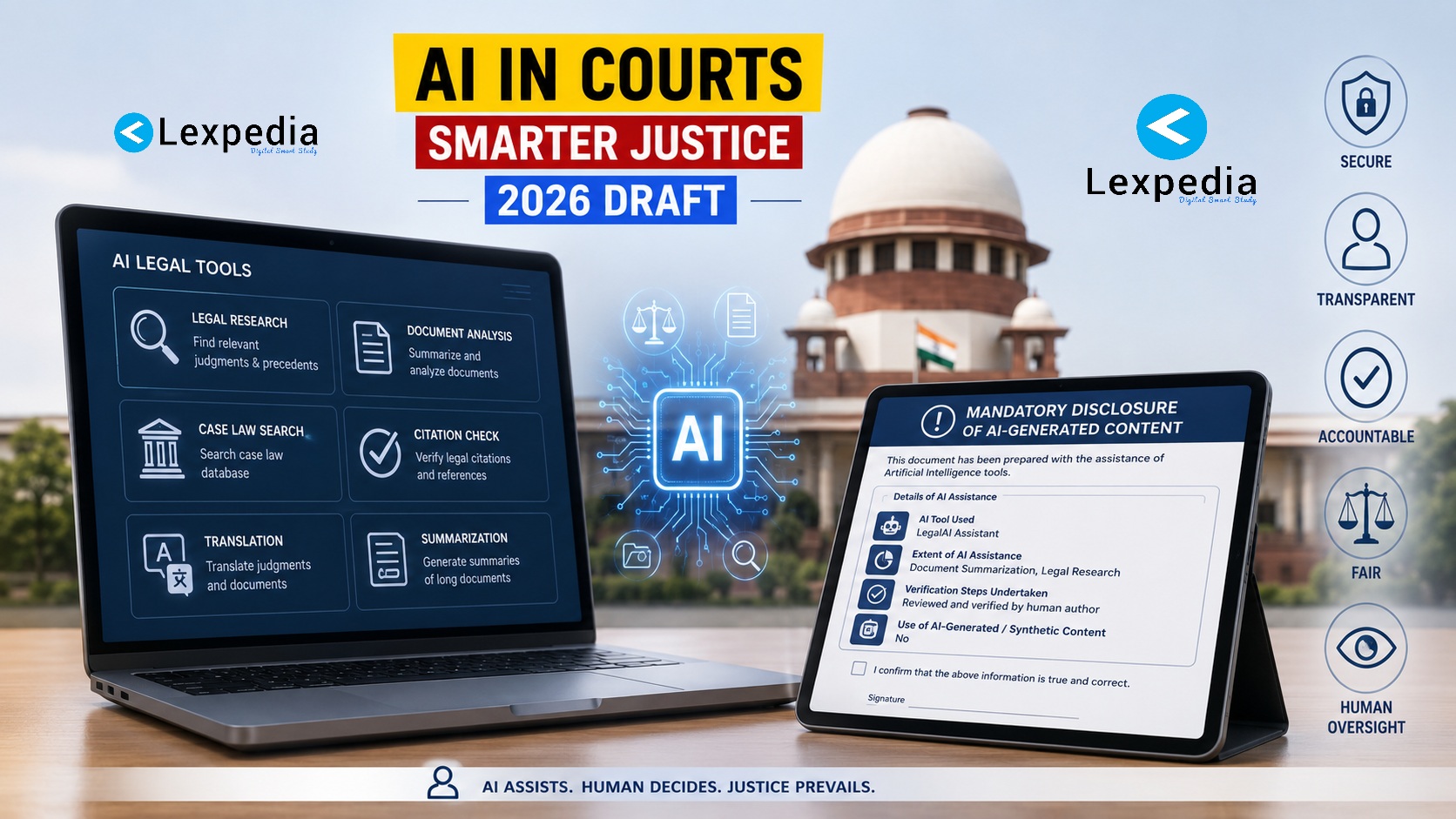
The observation assumes particular significance because the Supreme Court has already been examining the appropriate framework for the use of AI in courts. The Court noted that draft Regulations for the Use of Artificial Intelligence in Courts have been published, although the regulations had not yet been finalised at the time of the decision.
Reliance on Fake Precedents Was Fatal to the Penalty Order
The Supreme Court concluded that the reliance upon the dubious legal material was fatal to the sustainability of the Customs adjudication order.
Consequently, the Court set aside:
- the Gujarat High Court's order dated January 20, 2026; and
- the Customs Order-in-Original dated October 8, 2025 imposing the ₹425.27 crore penalty.
Importantly, the Supreme Court's decision does not amount to a final judicial finding that the alleged diamond-export irregularities never occurred. Rather, the impugned adjudication order was found unsustainable because of the serious defect arising from reliance on dubious and apparently AI-generated legal authorities.
Matter Remanded for Fresh Adjudication
The Supreme Court did not simply terminate the Customs proceedings altogether.
Instead, it revived the proceedings for fresh adjudication.
The matter is to be reconsidered by an officer of the same rank, but not by the officer who passed the original order.
This means that the underlying Customs dispute can be examined afresh in accordance with law, based on properly verified evidence and legally valid authorities.
The Supreme Court also left it to the appointing authority to determine, in accordance with law, whether any action should be taken against the officer who authored the original adjudication order.
Earlier Supreme Court Warning on AI-Hallucinated Judgments
The latest ruling follows the Supreme Court's significant judgment in Pooja Ramesh Singh v. Jammu & Kashmir Bank Ltd., decided on July 2, 2026.
In that case, the Supreme Court had adopted a zero-tolerance approach towards the production, citation or reliance upon AI-generated fake or hallucinated precedents without verification.
The Court held that it is professional misconduct for an advocate to cite such material without verification, while reliance upon such material by a judge constitutes a serious lapse.
It further held that a judicial decision founded upon fake or hallucinated material is “no decision in the eyes of law”, irrespective of whether the fabricated material directly or indirectly affected the ultimate outcome.
The Court had also clarified that its concern was not with the legitimate use of AI, but with presenting fabricated or hallucinated material as genuine legal precedent.
Significance of the Judgment
The judgment in Vijay Ghanshyam Gadiya marks another important development in the Supreme Court's evolving approach towards AI in legal decision-making.
The ruling highlights a fundamental distinction:
AI may assist a decision-maker in locating, organising or analysing information, but the responsibility to verify the law and independently adjudicate the dispute remains with the human decision-maker.
A fabricated judgment or an incorrect citation can appear legally convincing while having no existence in the reported law—or may attribute a proposition to a genuine judgment that the judgment never actually laid down.
The Supreme Court's intervention therefore reinforces the principle that every precedent relied upon in an adjudicatory order must be independently verified.
AI से बने फर्जी केस लॉ पर भरोसा: सुप्रीम कोर्ट ने ₹425.27 करोड़ की कस्टम्स पेनल्टी रद्द की
नई दिल्ली, 2 सितंबर 2026: भारत के सुप्रीम कोर्ट ने एक डायमंड ट्रेडर पर लगाई गई ₹425.27 करोड़ की कस्टम्स पेनल्टी को रद्द कर दिया है। अदालत ने पाया कि कस्टम्स के adjudicating authority ने अपने आदेश में ऐसे न्यायिक फैसलों, फर्जी citations और ऐसे मामलों पर भरोसा किया जो वास्तव में उस कानूनी सिद्धांत को स्थापित ही नहीं करते थे, जिसे उनके नाम पर बताया गया था। सुप्रीम कोर्ट के अनुसार, यह सामग्री Artificial Intelligence (AI) द्वारा generate या hallucinate किए जाने जैसी प्रतीत होती है।
Justice Dipankar Datta और Justice Sheel Nagu की पीठ ने Vijay Ghanshyam Gadiya द्वारा दायर अपील को स्वीकार करते हुए गुजरात हाई कोर्ट के 20 जनवरी 2026 के आदेश और 8 अक्टूबर 2025 के मूल Customs adjudication order, दोनों को रद्द कर दिया।
मामला Vijay Ghanshyam Gadiya v. Union of India & Anr. है, जिसे 2026 LiveLaw (SC) 884 के रूप में रिपोर्ट किया गया है।
कस्टम्स ने लगाई थी ₹425.27 करोड़ की पेनल्टी
मामला M/s Universal Gems, जो Surat Special Economic Zone में काम करती थी, के माध्यम से डायमंड एक्सपोर्ट से संबंधित था।
कस्टम्स अधिकारियों का आरोप था कि natural diamonds को lab-grown diamonds के रूप में घोषित करके एक्सपोर्ट किया जा रहा था और diamonds की प्रकृति तथा मात्रा में misdeclaration किया गया था।
Additional Commissioner of Customs, Surat ने 8 अक्टूबर 2025 को Customs Act, 1962 की Section 114 के तहत Vijay Ghanshyam Gadiya पर ₹425,27,99,100, यानी लगभग ₹425.27 करोड़, की personal penalty लगाई थी।
गुजरात हाई कोर्ट ने 20 जनवरी 2026 को Customs order में हस्तक्षेप करने से इनकार कर दिया था। इसके बाद Gadiya ने सुप्रीम कोर्ट का रुख किया।
डायमंड की कथित Misdeclaration क्या थी?
कस्टम्स की कार्यवाही में 21 मई और 25 मई 2021 की दो shipping bills से संबंधित consignments शामिल थीं।
गुजरात हाई कोर्ट के समक्ष प्रस्तुत Customs findings के अनुसार, घोषित मात्रा 23,301.75 carats थी, जबकि जांच में 58,089.13 carats diamonds पाए गए।
Laboratory identification में पाया गया कि केवल 469.12 carats lab-grown diamonds थे, जबकि 57,620.01 carats natural diamonds थे।
इस प्रकार Customs authorities के अनुसार लगभग 99.2% diamonds natural diamonds थे, जबकि उन्हें lab-grown diamonds के रूप में घोषित किया गया था।
इसी आधार पर Customs authority ने Gadiya पर कथित improper export को facilitate और abet करने का आरोप लगाते हुए goods की value के बराबर penalty लगाई।
सुप्रीम कोर्ट ने AI से जुड़े Fake Case Laws की जांच की
लेकिन सुप्रीम कोर्ट के सामने मुख्य मुद्दा Customs adjudication order में relied-upon legal authorities से जुड़ा था।
Gadiya के counsel ने अदालत का ध्यान इस ओर दिलाया कि Customs order में उद्धृत कई judgments और legal articles Artificial Intelligence की मदद से generate किए गए प्रतीत होते हैं।
सुप्रीम कोर्ट ने स्वयं इन authorities की जांच की।
पीठ ने पाया कि:
- कुछ cited cases वास्तव में मौजूद ही नहीं थे;
- कुछ के citations fake या गलत थे;
- कुछ judgments वास्तविक थे, लेकिन उनमें वह legal proposition मौजूद नहीं था, जो उनके नाम पर बताया गया था; और
- यह सामग्री AI hallucination का परिणाम प्रतीत होती थी।
अदालत ने विशेष रूप से कहा कि verification करने पर ऐसा प्रतीत हुआ कि Customs authority ने ऐसे case laws पर भरोसा किया जो non-existent या fake citations वाले थे। कुछ वास्तविक judgments भी उस ratio को निर्धारित नहीं करते थे, जो उन्हें दिया गया था।
सुप्रीम कोर्ट: AI Adjudication की जगह नहीं ले सकता
पीठ ने इस मामले के माध्यम से judicial और quasi-judicial decision-making में AI के इस्तेमाल पर महत्वपूर्ण टिप्पणी की।
अदालत ने माना कि AI को decision-making को अधिक efficient और तेज बनाने के लिए assistive tool के रूप में इस्तेमाल किया जा सकता है।
लेकिन अदालत ने स्पष्ट किया कि technology की सहायता human adjudication, verification, reasoning और application of law का स्थान नहीं ले सकती।
अदालत ने कहा:
“assistance can never be substituted for adjudication.”
पीठ ने यह भी चेतावनी दी कि AI “training wheels” की तरह काम कर सकता है, लेकिन उसे “pilot’s seat” सौंपना imprudent और dangerous होगा।
यह टिप्पणी इसलिए भी महत्वपूर्ण है क्योंकि सुप्रीम कोर्ट अदालतों में AI के इस्तेमाल के लिए एक उचित regulatory framework पर काम कर रहा है। अदालत ने उल्लेख किया कि Use of Artificial Intelligence in Courts के लिए Draft Regulations प्रकाशित किए जा चुके हैं, हालांकि उस समय तक वे final नहीं हुए थे।
Fake Precedents पर निर्भरता से पूरा Penalty Order प्रभावित
सुप्रीम कोर्ट ने माना कि संदिग्ध legal material पर reliance Customs adjudication order को कायम रखने के लिए fatal था।
इसलिए सुप्रीम कोर्ट ने:
- गुजरात हाई कोर्ट का 20 जनवरी 2026 का आदेश, और
- 8 अक्टूबर 2025 का Customs Order-in-Original, जिसमें ₹425.27 करोड़ की penalty लगाई गई थी,
दोनों को set aside कर दिया।
हालांकि, यह ध्यान रखना महत्वपूर्ण है कि सुप्रीम कोर्ट के इस फैसले का अर्थ यह नहीं है कि alleged diamond-export irregularities अंतिम रूप से गलत साबित हो गई हैं। अदालत ने मुख्यतः उस adjudication order को इसलिए अस्थिर माना क्योंकि उसमें गंभीर रूप से संदिग्ध और apparently AI-generated legal authorities पर reliance किया गया था।
Fresh Adjudication का आदेश
सुप्रीम कोर्ट ने Customs proceedings को पूरी तरह समाप्त नहीं किया।
इसके बजाय, अदालत ने मामले को fresh adjudication के लिए revive कर दिया।
मामले की दोबारा सुनवाई उसी rank के एक अन्य officer द्वारा की जाएगी, लेकिन वह officer नहीं होगा जिसने original order पारित किया था।
इसका अर्थ है कि underlying Customs dispute को कानून के अनुसार दोबारा examine किया जा सकता है और इस बार properly verified evidence तथा valid legal authorities के आधार पर निर्णय लिया जाएगा।
सुप्रीम कोर्ट ने यह भी निर्णय appointing authority पर छोड़ दिया कि original adjudication order लिखने वाले officer के खिलाफ कानून के अनुसार कोई कार्रवाई आवश्यक है या नहीं।
AI-Hallucinated Judgments पर सुप्रीम कोर्ट का पिछला फैसला
यह फैसला सुप्रीम कोर्ट के हालिया महत्वपूर्ण निर्णय Pooja Ramesh Singh v. Jammu & Kashmir Bank Ltd. के बाद आया है, जो 2 जुलाई 2026 को सुनाया गया था।
उस मामले में सुप्रीम कोर्ट ने बिना verification के AI-generated fake या hallucinated precedents को produce, cite या rely करने के संबंध में zero-tolerance approach अपनाई थी।
अदालत ने कहा था कि किसी advocate द्वारा ऐसे material को बिना verification cite करना professional misconduct है, जबकि किसी judge द्वारा ऐसे material पर भरोसा करना serious lapse है।
सुप्रीम कोर्ट ने यह भी कहा था कि fake या hallucinated material पर आधारित judicial decision “no decision in the eyes of law” है, भले ही उस fabricated material का final outcome पर direct या indirect प्रभाव पड़ा हो।
हालांकि, सुप्रीम कोर्ट ने यह स्पष्ट किया था कि उसका रुख AI के legitimate use के खिलाफ नहीं है। चिंता उस स्थिति को लेकर है जब fabricated या hallucinated material को वास्तविक judicial precedent के रूप में प्रस्तुत किया जाता है।
इस फैसले का महत्व
Vijay Ghanshyam Gadiya का फैसला legal और quasi-judicial decision-making में AI के बढ़ते इस्तेमाल के संबंध में एक महत्वपूर्ण विकास है।
फैसला एक मूलभूत अंतर स्पष्ट करता है:
AI किसी decision-maker को information खोजने, व्यवस्थित करने या analyse करने में सहायता कर सकता है, लेकिन कानून की verification करना और dispute का स्वतंत्र रूप से adjudication करना human decision-maker की जिम्मेदारी बनी रहती है।
AI द्वारा तैयार किया गया fabricated judgment या गलत citation देखने में पूरी तरह वास्तविक और convincing लग सकता है, जबकि ऐसा कोई judgment अस्तित्व में ही न हो—या किसी वास्तविक judgment के नाम पर ऐसा legal proposition दे दिया जाए जिसे उस judgment ने कभी निर्धारित ही नहीं किया।
इसलिए सुप्रीम कोर्ट का यह फैसला इस मूल सिद्धांत को और मजबूत करता है कि किसी भी adjudicatory order में relied-upon हर precedent की स्वतंत्र रूप से verification की जानी चाहिए।
Case Details
Case: Vijay Ghanshyam Gadiya v. Union of India & Anr.
Court: Supreme Court of India
Bench: Justice Dipankar Datta and Justice Sheel Nagu
Decision Date: 2 September 2026
Citation: 2026 LiveLaw (SC) 884
Penalty: ₹425.27 crore
Original Authority: Additional Commissioner of Customs, Surat
Original Order: 8 October 2025
Gujarat High Court Order: 20 January 2026
Key Issue: Reliance on apparently AI-generated/non-existent/falsely cited legal precedents in adjudication.