Supreme Court Adopts Hybrid Hearing Model Twice Weekly Amid Nationwide Fuel Conservation Push
Lexpedia News · 15 May 2026 · 4 min read
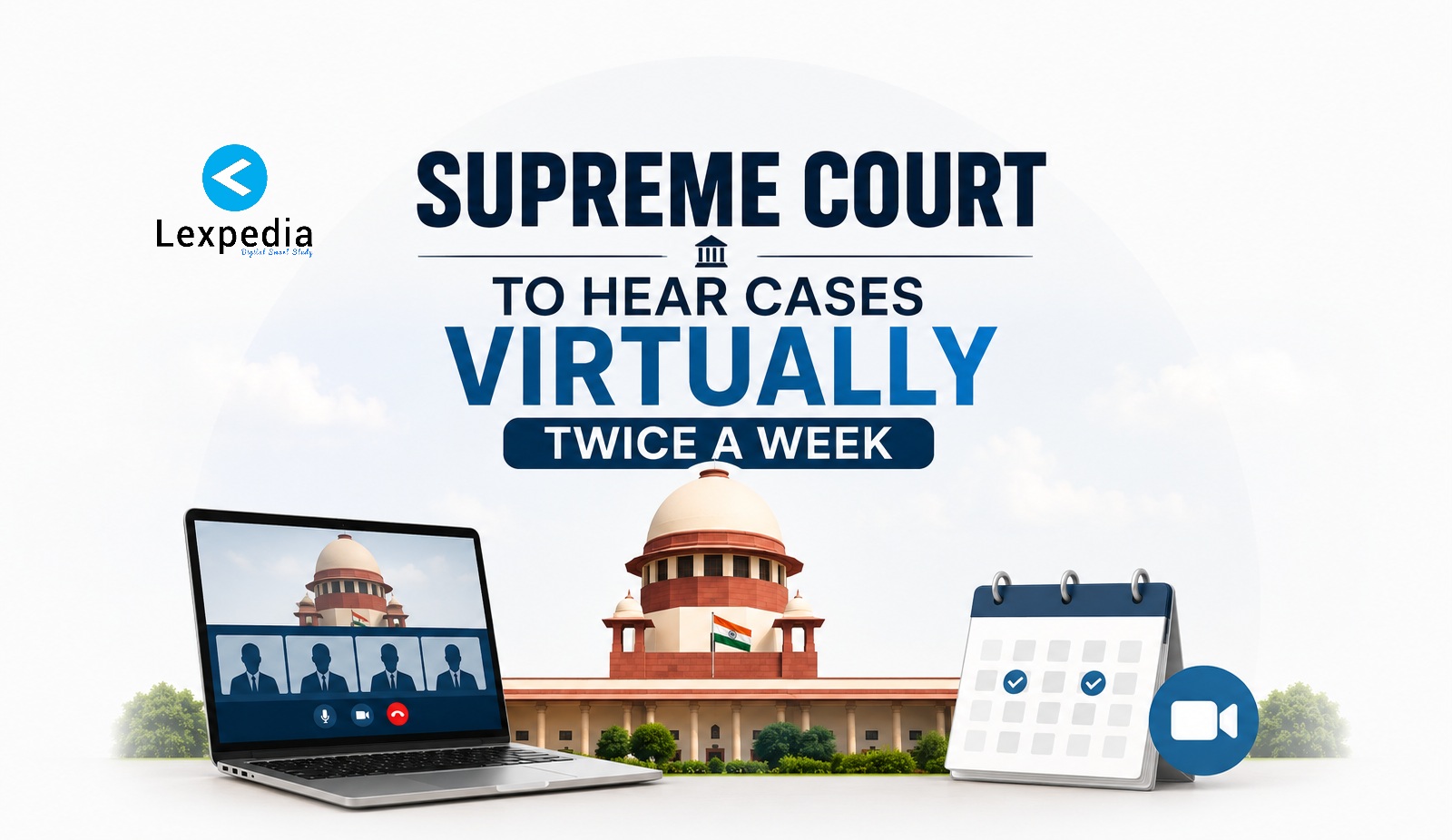
In a significant administrative move aimed at supporting fuel conservation efforts, the Supreme Court of India has decided to conduct virtual hearings twice a week until further orders. The decision comes in the backdrop of Prime Minister Narendra Modi’s recent appeal urging citizens and institutions to reduce fuel consumption amid rising global energy concerns linked to tensions in West Asia.
Virtual Hearings on Mondays and Fridays
According to reports, the top court will now hear matters through video conferencing on Mondays and Fridays, which are generally designated as miscellaneous hearing days. Physical hearings will continue from Tuesday to Thursday as part of the Court’s ongoing hybrid functioning system.
The move is being viewed as part of a broader institutional response to the Centre’s call for fuel-saving measures amid volatile global crude oil markets.
Supreme Court Registry to Partially Work From Home
Reports further indicate that sections of the Supreme Court Registry may also operate under partial work-from-home arrangements to reduce daily commuting and fuel usage. In addition, judges of the apex court have reportedly resolved to encourage carpooling wherever feasible.
The measures are expected to reduce congestion around the Court premises while simultaneously promoting digital accessibility in judicial proceedings.
PM Modi’s Appeal Triggers Wider Institutional Response
Prime Minister Narendra Modi had recently appealed to citizens to conserve fuel and adopt practices such as work-from-home wherever possible in light of international geopolitical tensions and concerns over energy supplies.
Following the appeal, several institutions and government bodies have begun introducing similar fuel-saving initiatives. The Delhi government, for instance, announced a two-day work-from-home system for many departments along with restrictions on vehicle fuel use.
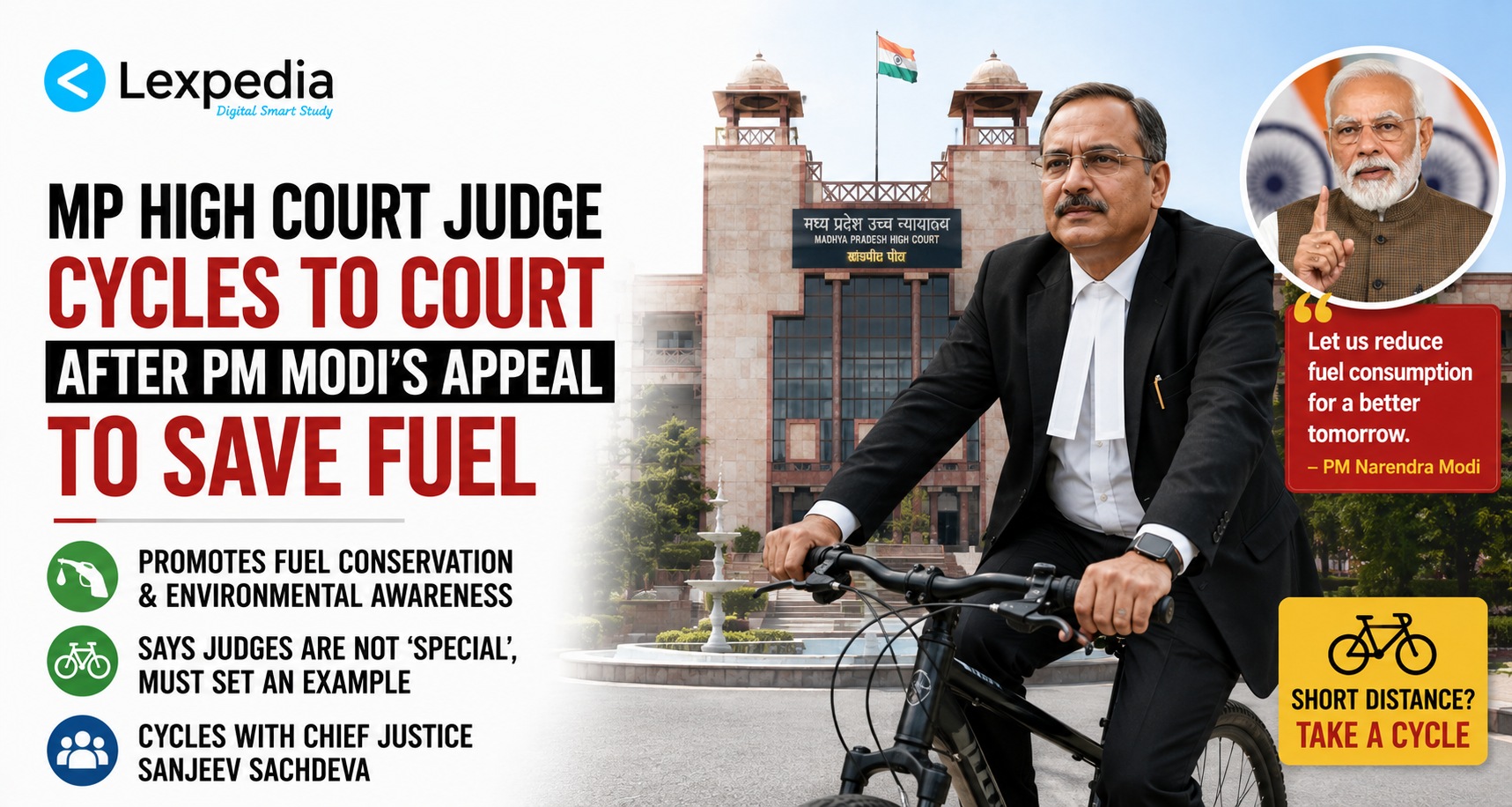
Earlier this week, Justice Dwarka Dhish Bansal of the Madhya Pradesh High Court was seen cycling to court in response to the Prime Minister’s appeal, drawing public attention to sustainable commuting practices.
Push Towards Digitised Judicial Administration
The Supreme Court’s latest decision also reflects the judiciary’s continued reliance on technology-enabled hearings, a system that gained prominence during the COVID-19 pandemic. Legal practitioners across the country have increasingly adapted to hybrid hearings, with virtual appearances becoming a regular feature in many courts.
The latest arrangement is expected to remain in place until further directions are issued by the apex court administration.
ईंधन संरक्षण अभियान के बीच सुप्रीम कोर्ट ने सप्ताह में दो दिन अपनाया हाइब्रिड सुनवाई मॉडल
भारत के सर्वोच्च न्यायालय ने ईंधन संरक्षण प्रयासों को समर्थन देने के उद्देश्य से एक महत्वपूर्ण प्रशासनिक कदम उठाते हुए सप्ताह में दो दिन वर्चुअल सुनवाई करने का निर्णय लिया है। यह फैसला प्रधानमंत्री नरेंद्र मोदी की उस हालिया अपील के बाद लिया गया है, जिसमें उन्होंने नागरिकों और संस्थानों से बढ़ती वैश्विक ऊर्जा चिंताओं और पश्चिम एशिया में तनाव के बीच ईंधन की बचत करने का आग्रह किया था।
सोमवार और शुक्रवार को होगी वर्चुअल सुनवाई
रिपोर्ट्स के अनुसार, शीर्ष अदालत अब सोमवार और शुक्रवार को मामलों की सुनवाई वीडियो कॉन्फ्रेंसिंग के माध्यम से करेगी। ये दिन सामान्यतः विविध याचिकाओं की सुनवाई के लिए निर्धारित होते हैं। वहीं, मंगलवार से गुरुवार तक अदालत में भौतिक सुनवाई जारी रहेगी, जो कोर्ट की मौजूदा हाइब्रिड कार्य प्रणाली का हिस्सा है।
इस कदम को केंद्र सरकार द्वारा किए गए ईंधन बचत उपायों के आह्वान के प्रति संस्थागत प्रतिक्रिया के रूप में देखा जा रहा है, विशेषकर वैश्विक कच्चे तेल के अस्थिर बाजारों को ध्यान में रखते हुए।
सुप्रीम कोर्ट रजिस्ट्री में आंशिक वर्क-फ्रॉम-होम व्यवस्था
रिपोर्ट्स में यह भी कहा गया है कि सुप्रीम कोर्ट रजिस्ट्री के कुछ विभागों में आंशिक वर्क-फ्रॉम-होम व्यवस्था लागू की जा सकती है, ताकि दैनिक आवागमन और ईंधन की खपत को कम किया जा सके। इसके अतिरिक्त, शीर्ष अदालत के न्यायाधीशों ने जहां संभव हो, वहां कारपूलिंग को बढ़ावा देने का भी निर्णय लिया है।
इन उपायों से अदालत परिसर के आसपास भीड़भाड़ कम होने की संभावना है और साथ ही न्यायिक कार्यवाही में डिजिटल पहुंच को भी बढ़ावा मिलेगा।
प्रधानमंत्री मोदी की अपील के बाद संस्थागत स्तर पर बढ़ी पहल
प्रधानमंत्री नरेंद्र मोदी ने हाल ही में नागरिकों से ईंधन बचाने और जहां संभव हो वहां वर्क-फ्रॉम-होम जैसी व्यवस्थाएं अपनाने की अपील की थी। यह अपील अंतरराष्ट्रीय भू-राजनीतिक तनाव और ऊर्जा आपूर्ति संबंधी चिंताओं के मद्देनज़र की गई थी।
प्रधानमंत्री की इस अपील के बाद कई संस्थानों और सरकारी निकायों ने समान प्रकार की ईंधन बचत पहल शुरू कर दी हैं। उदाहरण के तौर पर, दिल्ली सरकार ने कई विभागों में सप्ताह में दो दिन वर्क-फ्रॉम-होम प्रणाली लागू करने तथा वाहनों के ईंधन उपयोग पर नियंत्रण संबंधी कदमों की घोषणा की है।
इसी सप्ताह, मध्य प्रदेश उच्च न्यायालय के न्यायमूर्ति द्वारका धीश बंसल प्रधानमंत्री की अपील के समर्थन में साइकिल से अदालत पहुंचे, जिसने सतत आवागमन की दिशा में जनचर्चा को बढ़ावा दिया।
डिजिटल न्यायिक प्रशासन की ओर बढ़ता कदम
सुप्रीम कोर्ट का यह निर्णय न्यायपालिका द्वारा तकनीक-सक्षम सुनवाई प्रणाली पर बढ़ती निर्भरता को भी दर्शाता है। यह व्यवस्था कोविड-19 महामारी के दौरान व्यापक रूप से प्रचलित हुई थी। देशभर के अधिवक्ता और न्यायिक पेशेवर अब हाइब्रिड सुनवाई प्रणाली के साथ काफी हद तक अनुकूल हो चुके हैं और वर्चुअल उपस्थिति अब कई अदालतों में नियमित प्रक्रिया बन चुकी है।
यह नई व्यवस्था अगले आदेश तक लागू रहने की संभावना है।