Andhra Pradesh High Court: Husband cannot seek DNA test of children to prove wife’s adultery
Lexpedia News · 17 March 2026 · 4 min read
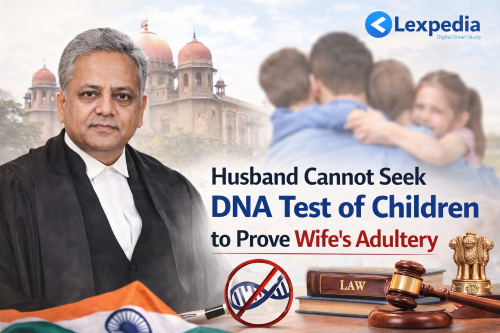
The Andhra Pradesh High Court has held that a husband cannot seek DNA testing of his children to establish allegations of adultery against his wife, emphasizing that children cannot be used as tools in matrimonial disputes.
The ruling was delivered by Justice Tarlada Rajasekhar Rao on March 12, 2026, while dismissing a petition filed by a husband in a divorce case.
Background of the case
The petitioner (husband) had filed a divorce petition on the ground of desertion, claiming that his wife had been living separately for over two years.
He sought a DNA test of his two children, arguing that:
- He was not their biological father
- The test would help prove that his wife had committed adultery
However, the trial court rejected this request, after which the husband approached the High Court.
Key observations of the High Court
The High Court firmly rejected the plea and made important observations:
1. Children cannot be used as evidence of adultery
The Court held that:
- A child cannot be treated as a “pawn” in disputes between parents
- The husband cannot seek DNA testing of children to prove infidelity
2. Welfare and privacy of the child is paramount
The Court emphasized that:
- The rights, dignity, and social standing of the child must be protected
- These rights cannot be sacrificed for the benefit of one parent’s case
3. Alternative evidence must be used
The Court clarified that:
- Allegations of adultery must be proved through other legally admissible evidence
- DNA testing cannot be used as a shortcut in matrimonial disputes
Legal principles relied upon
The Court referred to key legal doctrines:
-
Section 112 of the Indian Evidence Act
-
Presumes that a child born during a valid marriage is legitimate
-
-
Supreme Court precedent (Aparna Ajinkya Firodia case, 2024)
-
DNA testing decisions must be guided by the best interests of the child
-
Courts must exercise extreme caution before ordering such tests
-
Additional observations
- The children were not parties to the divorce case and were not seeking maintenance
- The husband’s divorce petition was based on desertion, not adultery, making the DNA test irrelevant to the core issue
Final decision
The High Court:
- Dismissed the petition seeking DNA testing
- Imposed a cost of ₹3,000 on the husband
- Directed that failure to pay could lead to civil recovery proceedings
Significance of the judgment
This ruling reinforces a consistent judicial principle that:
- Child welfare overrides parental disputes
- Courts must avoid intrusive scientific tests unless absolutely necessary
- Matrimonial litigation cannot come at the cost of a child’s identity and dignity
It also aligns with similar rulings across High Courts that caution against routine DNA testing in family disputes.
Case: KC (husband) v. KS (wife), 2026
आंध्र प्रदेश हाईकोर्ट: पत्नी के व्यभिचार को साबित करने के लिए बच्चों का DNA टेस्ट नहीं कराया जा सकता
Andhra Pradesh High Court ने महत्वपूर्ण निर्णय में कहा है कि कोई पति अपने बच्चों का DNA टेस्ट केवल पत्नी के व्यभिचार (adultery) को साबित करने के लिए नहीं करा सकता।
अदालत ने स्पष्ट किया कि बच्चों को माता-पिता के विवाद में “हथियार” या “साधन” के रूप में इस्तेमाल नहीं किया जा सकता।
मामले की पृष्ठभूमि
पति ने:
- डेज़र्शन (Desertion) के आधार पर तलाक की याचिका दायर की थी
- दावा किया कि पत्नी दो वर्षों से अलग रह रही है
इसके साथ ही उसने:
- अपने दो बच्चों का DNA टेस्ट कराने की मांग की
- यह साबित करने का प्रयास किया कि वह उनका जैविक पिता नहीं है और पत्नी ने व्यभिचार किया है
ट्रायल कोर्ट ने यह मांग खारिज कर दी, जिसके बाद मामला हाईकोर्ट पहुंचा।
हाईकोर्ट की प्रमुख टिप्पणियां
1. बच्चों को “मोहरा” नहीं बनाया जा सकता
अदालत ने कहा:
- बच्चे को माता-पिता के विवाद में मोहरा (pawn) नहीं बनाया जा सकता
- व्यभिचार साबित करने के लिए DNA टेस्ट की मांग उचित नहीं है
2. बच्चे का हित सर्वोपरि
- बच्चे की गरिमा, पहचान और सामाजिक प्रतिष्ठा की रक्षा जरूरी है
- इन अधिकारों को किसी एक पक्ष के लाभ के लिए बलिदान नहीं किया जा सकता
3. अन्य साक्ष्य प्रस्तुत करें
अदालत ने कहा:
- व्यभिचार साबित करने के लिए अन्य साक्ष्य प्रस्तुत किए जाएं
- DNA टेस्ट को आसान रास्ता नहीं बनाया जा सकता
कानूनी आधार
अदालत ने निम्न प्रावधानों पर भरोसा किया:
-
Indian Evidence Act की धारा 112
-
विवाह के दौरान जन्मे बच्चे को वैध (legitimate) माना जाता है
-
-
Supreme Court (2024) का निर्णय
-
DNA टेस्ट का निर्णय बच्चे के हित को ध्यान में रखकर किया जाना चाहिए
-
अन्य महत्वपूर्ण बातें
- बच्चे इस मामले में पक्षकार नहीं थे
- वे भरण-पोषण (maintenance) की मांग भी नहीं कर रहे थे
- तलाक का आधार डेज़र्शन था, न कि व्यभिचार
अंतिम निर्णय
हाईकोर्ट ने:
- DNA टेस्ट की मांग को खारिज कर दिया
- पति पर ₹3,000 का जुर्माना लगाया
- भुगतान न करने पर सिविल रिकवरी/कैद की कार्यवाही की चेतावनी दी
महत्व
यह निर्णय स्पष्ट करता है कि:
- बच्चों के अधिकार सर्वोपरि हैं
- अदालतें अनावश्यक DNA टेस्ट से बचती हैं
- पारिवारिक विवादों में बच्चे की पहचान और गरिमा की रक्षा करना अनिवार्य है