
Umesh Ray v. State of Bihar, 2026
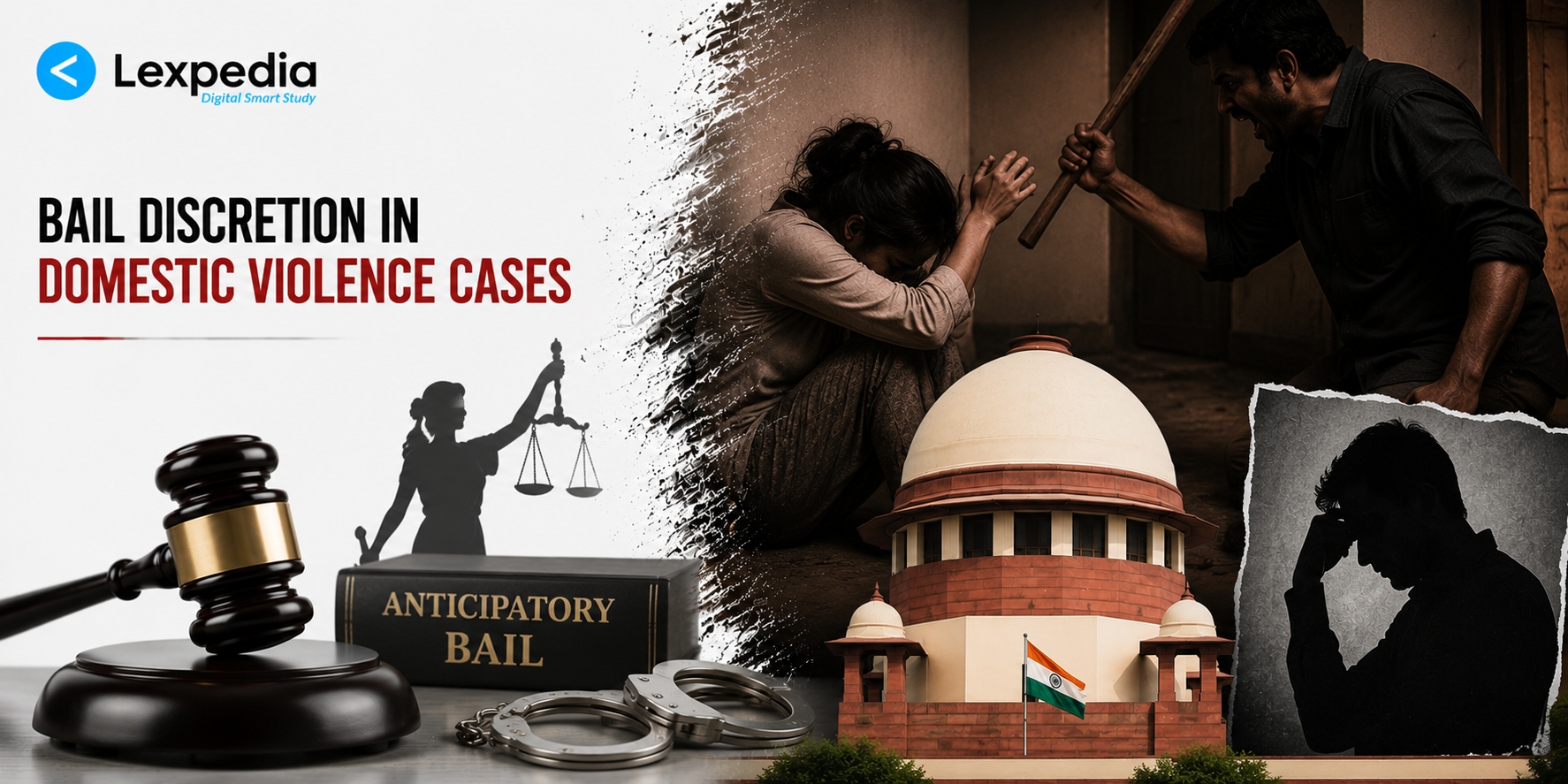
The Court emphasised that bail discretion must consider the nature and gravity of allegations, especially involving physical assault.
Judgement Details
Court
Supreme Court of India
Date of Decision
12 May 2026
Judges
Justice Aravind Kumar & Justice P.B. Varale
Citation
Acts / Provisions
Facts of the Case
- The accused approached the Supreme Court of India seeking anticipatory bail.
-
He was alleged to have committed domestic violence against his first wife.
-
The allegations included that:
-
He abused his wife in a drunken state.
-
He allegedly threw her to the ground, causing injury after she hit a brick.
-
He further assaulted her with a lathi.
-
-
It was also alleged that the accused had married three women, including the complainant.
-
The accused, however, disputed the existence of a valid marriage with the complainant.
-
The Patna High Court had earlier denied anticipatory bail, noting serious allegations and lack of financial support to the wife after the assault.
-
The matter was then brought before the Supreme Court.
Issues
-
Whether anticipatory bail should be granted to an accused facing serious allegations of domestic violence under BNS provisions?
-
Whether allegations of physical assault on a spouse justify denial of anticipatory bail?
-
Whether disputed marital status affects the consideration of bail in domestic violence cases?
-
Whether the conduct alleged against the accused shows grounds to deny bail at the pre-arrest stage?
Judgement
-
The Supreme Court orally declined to grant anticipatory bail to the accused.
-
The bench observed that the allegations involved serious acts of violence against a spouse.
-
The Court agreed with the Patna High Court’s view that bail was not justified at this stage.
-
The judges emphasised that allegations of physical assault and repeated abuse could not be ignored.
-
The Court noted that the accused allegedly had multiple relationships, adding to the gravity of allegations.
-
The bench remarked that such conduct reflects serious concern regarding domestic violence and dignity of women.
-
Justice P.B. Varale orally observed that a husband cannot treat his wife like an animal and she is entitled to dignity.
-
Justice Aravind Kumar questioned the justification for repeated violence and refused to interfere with the High Court’s decision.
-
The Court also referred to broader societal patterns of domestic violence, noting recurring complaints involving alcohol-related abuse.
-
Ultimately, the Supreme Court declined to grant relief and directed the accused to pursue regular bail.
Held
-
Anticipatory bail was denied.
-
The Court held that allegations of serious domestic violence justify denial of pre-arrest protection.
-
The dignity and safety of the wife were central considerations in refusing bail.
Analysis
-
The decision reinforces the judiciary’s strong stance against domestic violence and spousal abuse.
-
The Court emphasised that bail discretion must consider the nature and gravity of allegations, especially involving physical assault.
-
The ruling highlights that dignity of women in marriage is a constitutional and legal priority.
-
The oral observations reflect judicial intolerance towards normalization of gender-based violence.
-
The case also shows how courts consider patterned domestic abuse behaviour, including alcohol-linked violence.
-
While bail jurisprudence generally favors liberty, the Court balanced it against victim protection and societal interest.
-
The judgment underscores that anticipatory bail is not automatic in serious bodily harm cases.
-
It reinforces that disputes involving credible allegations of violence require strict judicial scrutiny at the pre-arrest stage.
-
The case contributes to evolving jurisprudence on domestic violence and bail standards under the BNS framework.
-
The Court’s remarks also serve as a broader social message on respect, dignity, and non-violence within marriage.