Supreme Court Upholds Arrest Powers of GST and Customs Officials in Landmark Ruling
Lexpedia · 27 February 2025 · 2 min read

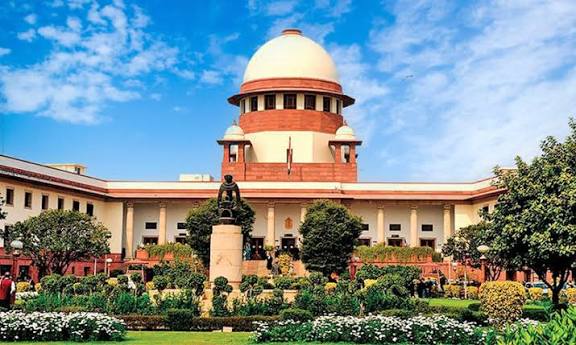
The Supreme Court of India has upheld the constitutional validity of Sections 69 and 70 of the Central Goods and Services Tax (CGST) Act, 2017, which grant GST and Customs officials the authority to arrest individuals suspected of committing serious offenses such as tax evasion. The Court ruled that these provisions are within the bounds of the Constitution and essential to the effective enforcement of tax laws.
Arrest Powers Validated by Court
In a crucial judgment, the Court affirmed that the powers granted to GST and Customs officials to summon, arrest, and prosecute individuals are constitutionally sound. The Court found that these powers are necessary for the levy and collection of taxes under Article 246-A of the Indian Constitution, rejecting claims that they infringe on fundamental rights.
High Threshold for Arrests
The Supreme Court stressed that arrests under the GST Act and Customs Act must only be made based on credible evidence and a reasonable belief that an offense has occurred. The Court highlighted that the standard for arrest under the Customs Act is higher than the Criminal Procedure Code (CrPC), requiring “reasons to believe” an offense took place rather than mere suspicion.
Court Endorses Amendments to Customs Act
The Court upheld the amendments to the Customs Act (2012, 2013, 2019), which reclassified some offenses as cognizable and non-bailable, allowing for warrantless arrests in specific cases. The Court recognized these changes as a balanced approach to enforcing tax laws, providing safeguards against arbitrary action while allowing officials to act decisively.
Emphasis on Legal Safeguards for Arrestees
Highlighting the importance of constitutional safeguards, the Supreme Court emphasized that arrests under the GST and Customs Acts must comply with Article 21 (Right to Life and Liberty) and Article 22 (Protection Against Arbitrary Detention). The Court mandated that the grounds for arrest must be provided in writing to the arrestee, ensuring transparency and accountability.
Addressing Concerns Over Coercion in Tax Payments
The Court also addressed concerns regarding the use of coercion in tax payments, particularly under Section 74(5) of the GST Act. It clarified that while taxpayers may voluntarily settle dues, threatening arrest to compel payment would be a violation of the rule of law.
CrPC Applies to GST and Customs Laws
In another important clarification, the Court affirmed that the Criminal Procedure Code (CrPC) applies to both the GST Act and Customs Act, unless explicitly excluded. This ensures that procedures for searches, seizures, and arrests follow established criminal law standards, safeguarding individuals' rights during enforcement.
Conclusion: Balancing Enforcement and Rights
The Supreme Court’s ruling reinforces the legal framework for the enforcement of GST and Customs laws while upholding individual rights. The judgment establishes that the powers of arrest granted to Customs and GST officials must be exercised with caution and transparency, ensuring that the legal process is fair and aligned with constitutional protections.