Supreme Court to Review Plea for Regulation of Obscene Content on OTT Platforms and Social Media
Lexpedia · 28 April 2025 · 3 min read
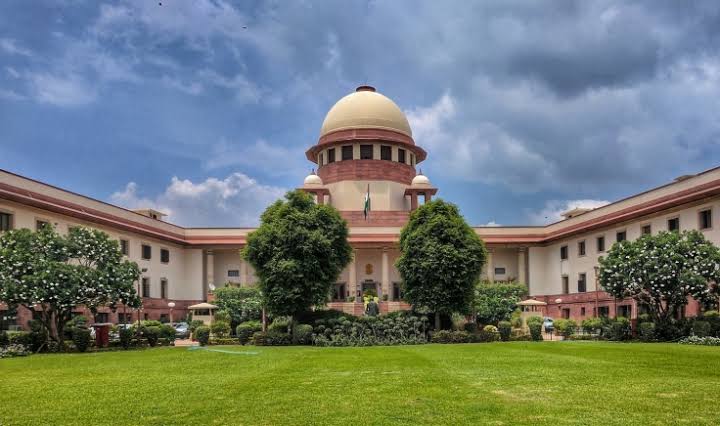
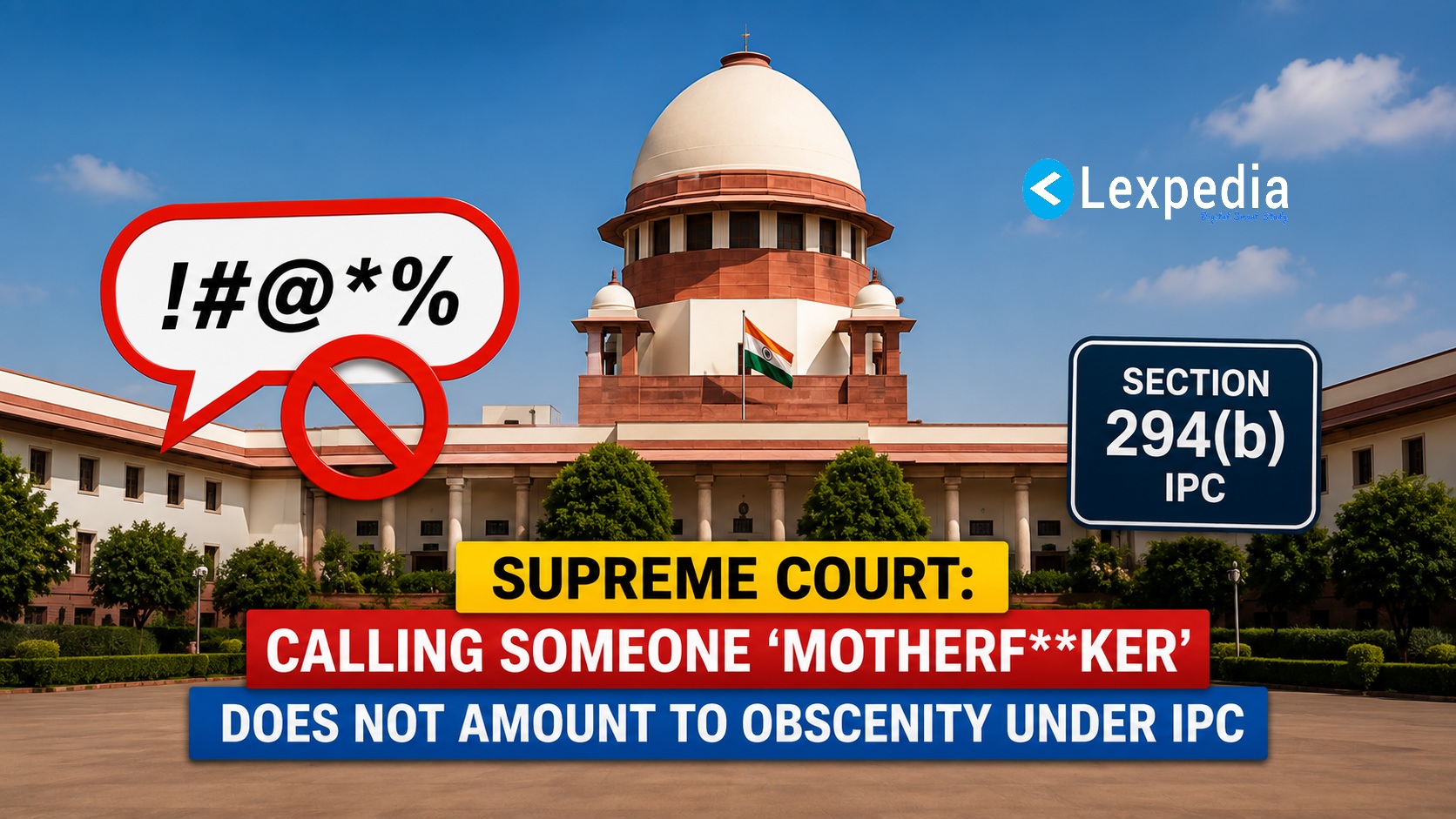
On April 28, the Supreme Court agreed to consider a plea seeking the regulation of obscene content on OTT platforms and social media. The Court acknowledged the seriousness of the issue raised by the petitioners, prompting a notice to be issued to both the Union Government and major OTT platforms such as Netflix, Amazon Prime, AltBalaji, Ullu Digital, Mubi, and social media giants X Corp, Google, Meta Inc, and Apple.
The Issue of Obscene and Indecent Content: A Growing Concern
A bench of Justices BR Gavai and AG Masih observed that the petition raised a significant issue concerning the presence of objectionable, obscene, and indecent content on popular digital platforms. The petitioners, including journalist Uday Mahurkar and others, highlighted the dangers posed by unregulated content circulating widely on social media and OTT platforms, stressing the lack of effective regulatory mechanisms.
Court’s Observations on Responsibility of OTT and Social Media Platforms
During the hearing, Justice Gavai remarked that platforms like Netflix and others must also bear a social responsibility in ensuring that content is not harmful to viewers. He noted that while these platforms have the freedom to operate, they also have a duty to adhere to certain standards, particularly when it comes to obscene or offensive content. The Court indicated that the matter was serious enough to be addressed with further legislative action, suggesting that a more formal regulatory framework might be necessary.
Union Government’s Stand: Existing and Contemplated Regulations
In response to the Court’s concerns, Solicitor General Tushar Mehta stated that the Union Government was already considering more regulations related to OTT platforms and social media. Mehta acknowledged the validity of the petitioners’ concerns, agreeing that some of the content in question was indeed perverse and inappropriate for public consumption. While not in favor of outright censorship, Mehta emphasized the need for moderate regulation to control the spread of such content. He assured the Court that some regulatory measures were already in place and that additional regulations were in the process of being formulated.
Petitioners’ Concerns: A Call for Regulation, Not Censorship
The petitioners, led by Uday Mahurkar, have made it clear that they are not seeking an adversarial litigation but instead wish to address a genuine concern regarding the unchecked nature of the content circulating on digital platforms. Advocate Vishnu Shankar Jain, representing the petitioners, highlighted the lack of proper checks and balances, which allows harmful and explicit content to proliferate without adequate regulation. This concern was echoed by the Supreme Court, which agreed that more needed to be done to ensure that content on these platforms did not exceed acceptable limits.
Recent Developments: Court’s Growing Focus on Digital Content Regulation
The Court’s attention to this issue is not unprecedented. Just recently, in the Ranveer Allahabadia case, the Supreme Court had raised similar concerns, urging the Union Government to consider bringing in regulations to control the obscene and indecent content on OTT platforms and social media. This continued attention indicates that the Court is serious about addressing the issue and is keeping a close watch on developments in the area of digital content regulation.
Case Title: UDAY MAHURKAR AND ORS. Versus UNION OF INDIA AND ORS.