Supreme Court Calls for Limits on Interventions in Places of Worship Act Challenge
Lexpedia · 18 February 2025 · 4 min read
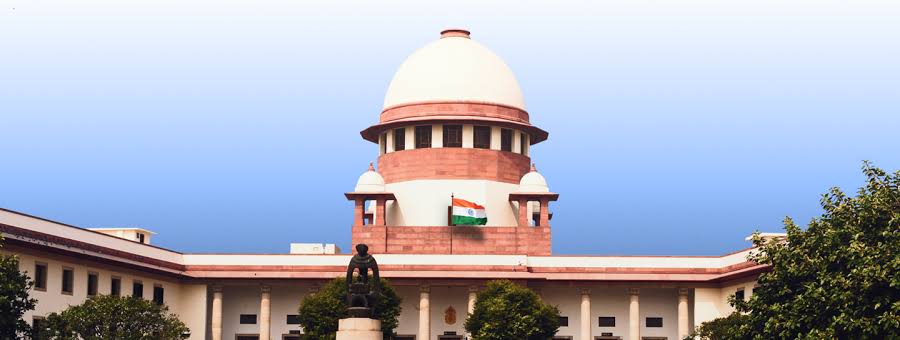
In a significant development, the Supreme Court of India has urged the need for restrictions on the number of interventions being filed in petitions challenging the constitutional validity of the Places of Worship (Special Provisions) Act, 1991 (POWA). The bench, headed by Chief Justice of India (CJI) Sanjiv Khanna, expressed concerns over the growing number of petitions, with political parties, organizations, and individuals attempting to intervene in the matter. The Court emphasized that too many petitions are being filed, which risks delaying the resolution of the case. This statement signals a push towards curbing excessive and potentially unnecessary interventions to ensure a more efficient judicial process.
Dismissal of Petitions Without Notice
- In a crucial and far-reaching directive, the Supreme Court ruled that petitions challenging the Act, in which the Court has not yet issued notice, will be dismissed. This order intends to clear the backlog of petitions by discouraging speculative or premature filings that lack sufficient legal merit. Petitioners whose cases have been dismissed under this provision may still pursue legal action by filing applications within existing petitions, provided that they present new or fresh grounds for consideration.
- This measure seeks to avoid repetitive petitions and maintain focus on the core issues at hand, which will likely expedite the legal process.
Political Parties Defend the Act
- Several political parties and organizations have weighed in on the matter, with the Congress, Jamiat Ulama-I-Hind, and All India Majlis-e-Ittehad-ul-Muslimeen (AIMIM) among the key groups filing intervention applications. These interventions largely defend the POWA, stressing its importance for maintaining India’s secular fabric and communal harmony. The Congress, for instance, argued that altering or overturning the law could jeopardize the social equilibrium, threatening the country’s sovereignty and integrity. AIMIM’s head, Asaduddin Owaisi, similarly defended the Act, highlighting its role in preserving the status quo of religious places and ensuring religious peace.
- These interventions underline the political sensitivity of the matter, as the Act is seen as a safeguard against the disruption of communal harmony. The large-scale involvement of political entities reflects the societal and cultural significance of the POWA, which protects the character of places of worship and prevents disputes over the ownership and status of religious sites.
December Order on Religious Structures
- In December, the Supreme Court issued a landmark order instructing trial courts to refrain from passing effective orders or conducting surveys that may affect the character of religious structures. The Court emphasized that the status quo of religious sites must be preserved until the legal questions regarding the POWA are resolved. This order was a response to ongoing legal battles in lower courts, where petitions seeking changes to the status of certain religious sites were being heard. The Supreme Court’s intervention ensures that no legal action is taken that could lead to the alteration of existing religious structures without the Court’s explicit approval.
- This direction was seen as an important step in preventing any premature decisions that could inflame communal tensions or disrupt religious practices before a final resolution from the highest court.
Streamlining Legal Process
- The Supreme Court’s efforts to streamline the proceedings are a direct response to the rising number of petitions and interventions that have made the case increasingly complex. By limiting the number of petitions and focusing only on those that raise new legal issues, the Court hopes to maintain an orderly and efficient process. This move is seen as crucial in ensuring that the legal debate is not overwhelmed by a flood of unnecessary cases, allowing the core issues of the POWA to be addressed more effectively.
- The Court’s approach reflects a broader concern for judicial efficiency and clarity, which will ensure that the ultimate decision on the POWA is based on sound legal principles and without undue distraction from irrelevant petitions.
Pivotal Hearing in April
- The upcoming hearing in April holds immense significance for the future of the Places of Worship Act. As the case moves forward, the three-judge bench will likely engage in detailed constitutional analysis, considering the implications of altering or upholding the provisions of the Act. The outcome will shape not only the legal landscape concerning religious sites but also have wider implications for India’s secular identity and its approach to communal harmony.
- Given the importance of the case, the April hearing will undoubtedly be pivotal in determining the future of the POWA, potentially setting a precedent for how such sensitive issues are addressed in the future. With political, legal, and societal concerns in the balance, the Court’s decision will likely resonate far beyond the legal community, influencing public discourse on India’s secularism and its approach to religious disputes.
Next Hearing Scheduled for April
The Supreme Court has scheduled the next hearing of the case for April, where it will be taken up before a three-judge bench. The decision to place the case before a larger bench suggests the Court is preparing for a more in-depth deliberation, considering the significant constitutional and societal issues at stake. The hearing is expected to address key legal questions surrounding the POWA and its application, as well as the legal challenges it faces.