Lexpedia — Digital Smart Study
Legal News
Judgements
Articles
Syllabus
Bare Acts
Exam Notifications
Legal NewsArticlesBare Acts
Lexpedia — Digital Smart Study

India's most comprehensive legal exam preparation platform. Prepare for Judiciary, UGC NET, AIBE, CLAT and more.

Download the App

Get it on Google PlayDownload on the App Store

Follow Us

Exams

  • Judiciary Exams
  • UGC NET Law
  • AIBE
  • CLAT / LLB Entrance
  • LLM Entrance
  • ADA / APP / APO

Resources

  • Legal News
  • Latest Judgements
  • Landmark Judgements
  • Legal Articles
  • Exam Notifications
  • Bare Acts
  • Syllabus

Company

  • About Lexpedia
  • Contact Us
  • Privacy Policy
  • Terms & Conditions
  • Refund Policy

Partner with Us

Advertise with Lexpedia

Reach 1M+ law students across India

Share PYQs with Us

Help students succeed — upload papers

© 2026 Lexpedia. All rights reserved.

PrivacyTermsRefund
Lexpedia — Digital Smart Study
Legal News
Judgements
Articles
Syllabus
Bare Acts
Exam Notifications
Legal NewsArticlesBare Acts
  1. Home
  2. News
  3. Supreme Court Allows Intervention Challenging Madhya Pradesh Prison Law Over Discrimination Against Denotified Tribes

Supreme Court Allows Intervention Challenging Madhya Pradesh Prison Law Over Discrimination Against Denotified Tribes

Lexpedia · 1 November 2025 · 2 min read
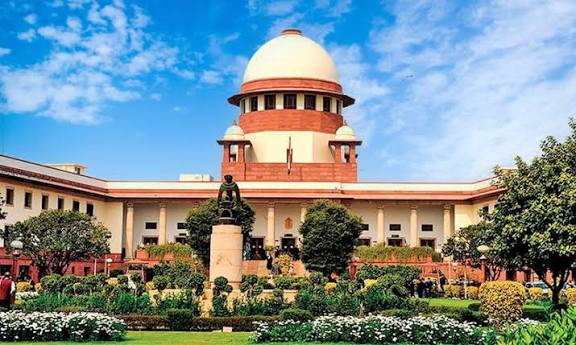
Supreme Court Allows Intervention Challenging Madhya Pradesh Prison Law Over Discrimination Against Denotified Tribes
Share:

The Supreme Court of India today allowed an intervention filed by the Criminal Justice and Police Accountability Project, which argued that the State of Madhya Pradesh has violated the 2024 Sukanya Shantha judgment through its Madhya Pradesh Sudharatmak Sevayen Evam Bandigrah Adhiniyam, 2024, in the suo moto matter concerning discrimination inside prisons.

According to the intervenor, the 2024 Act contains various provisions that discriminate against denotified tribes. The Sukanya Shantha judgment had previously held that discrimination inside prisons based on caste, gender, and disability is illegal. In particular, the Court had observed that denotified tribes are protected under Article 15(1) of the Constitution against caste-based discrimination.

A bench comprising Justice JB Pardiwala and Justice Viswanathan allowed the intervention application, which was mentioned by Senior Advocate Aparna Bhat. The intervenor submitted that Madhya Pradesh defines a habitual offender as “prisoners who are sent to prison and correctional institutions repeatedly for their crimes,” which they argued is vague, manifestly arbitrary, and violates the 2024 judgment.

The Sukanya Shantha judgment noted that denotified tribes have historically been treated as “habitual criminals” due to colonial and post-colonial stereotypes, which were often reinforced by State prison manuals. The Court had directed that references to habitual offenders in prison manuals must strictly follow the definitions provided in respective State legislation and declared all other definitions unconstitutional.

The applicant submitted that vague language in the law allows authorities to declare persons as habitual offenders merely on suspicion, which was constitutionally suspect in the Sukanya Shantha judgment.

Several provisions of the Madhya Pradesh law have been challenged:

  • Section 6(3): Mandates separate wards for high-risk prisoners/recidivists/habitual offenders, collapsing differently situated prisoners into the same category, which violates Article 14.

  • Section 27(2): Allows classification of prisoners into civil, criminal, and detenue categories, with sub-categories including habitual offenders, disproportionately affecting denotified tribes.

  • Section 28: Empowers authorities to take measures to protect society from habitual offenders, including segregation and denial of parole/furlough, using vague factors such as “available background records and history tickets.” This provision has been challenged as unconstitutional for facilitating discriminatory treatment against denotified tribes.

  • Section 29: Permits surveillance of high-risk prisoners and habitual offenders, also challenged for violating the 2024 judgment.

The bench has now directed the intervenor to file a substantial directions application regarding the 2024 Act.

Case Details: In Re: Discrimination Inside Prisons in India, Suo Moto No. 10/2024
Gender EqualityPendencyPrison ReformsPrison SystemSchedule casteConstitutional EqualityFundamental Rights

Related Legal News

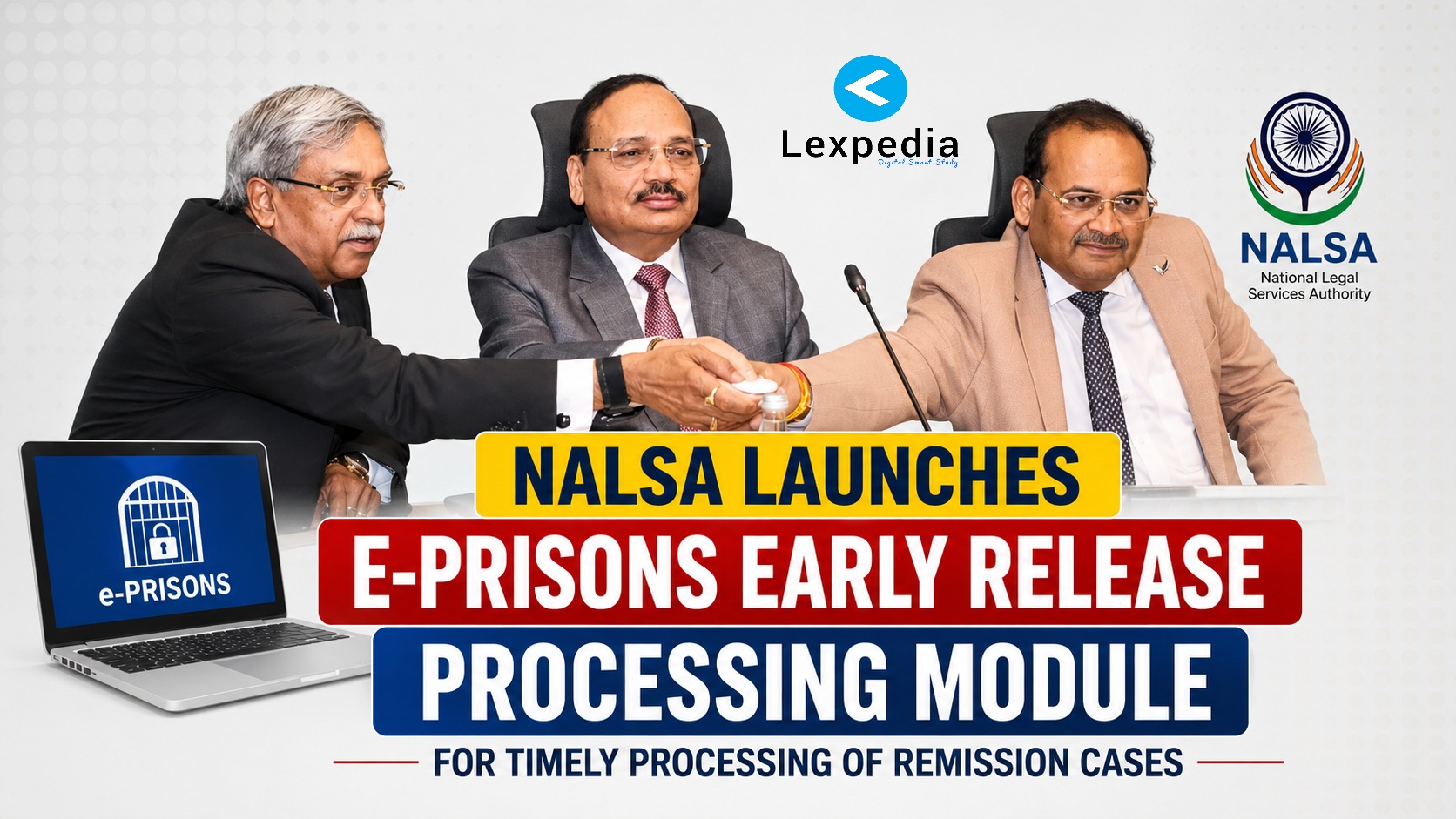
NALSA Launches e-Prisons Early Release Processing Module To Expedite Remission And Premature Release Cases

28 May 2026 · Lexpedia News

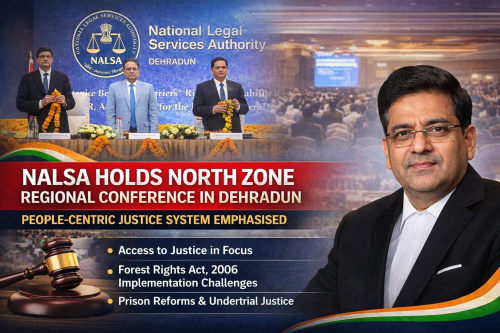
NALSA Holds North Zone Regional Conference in Dehradun; Justice J.K. Maheshwari Emphasises People-Centric Justice

11 April 2026 · Lexpedia News

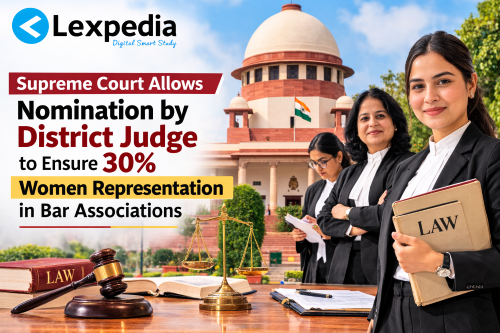
SC allows District Judges to nominate women lawyers to Bar Association executive committees to ensure 30% representation

14 March 2026 · Lexpedia News

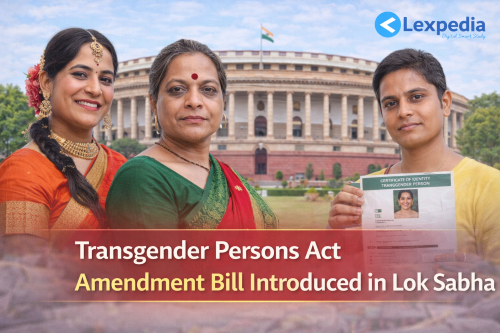
Bill to amend Transgender Persons Act introduced in Lok Sabha; proposes removal of “self-perceived gender identity”

13 March 2026 · Lexpedia News

Latest Articles

Supreme Court Releases Draft AI Regulations for Courts: Human Judges to Remain Supreme, AI-Based Decision-Making Prohibited

Lexpedia News

MONTHLY MAGAZINE APRIL, 2026

Lexpedia News

MONTHLY MAGAZINE MARCH

Lexpedia News

MONTHLY MAGAZINE FEBRUARY

Lexpedia News

MONTHLY MAGAZINE JANUARY

Lexpedia

Lexpedia — Digital Smart Study

India's most comprehensive legal exam preparation platform. Prepare for Judiciary, UGC NET, AIBE, CLAT and more.

Download the App

Get it on Google PlayDownload on the App Store

Follow Us

Exams

  • Judiciary Exams
  • UGC NET Law
  • AIBE
  • CLAT / LLB Entrance
  • LLM Entrance
  • ADA / APP / APO

Resources

  • Legal News
  • Latest Judgements
  • Landmark Judgements
  • Legal Articles
  • Exam Notifications
  • Bare Acts
  • Syllabus

Company

  • About Lexpedia
  • Contact Us
  • Privacy Policy
  • Terms & Conditions
  • Refund Policy

Partner with Us

Advertise with Lexpedia

Reach 1M+ law students across India

Share PYQs with Us

Help students succeed — upload papers

© 2026 Lexpedia. All rights reserved.

PrivacyTermsRefund