Madhya Pradesh High Court: Emotional Attachment Not Adultery, Maintenance Upheld
Maheshpriya · 13 February 2025 · 3 min read
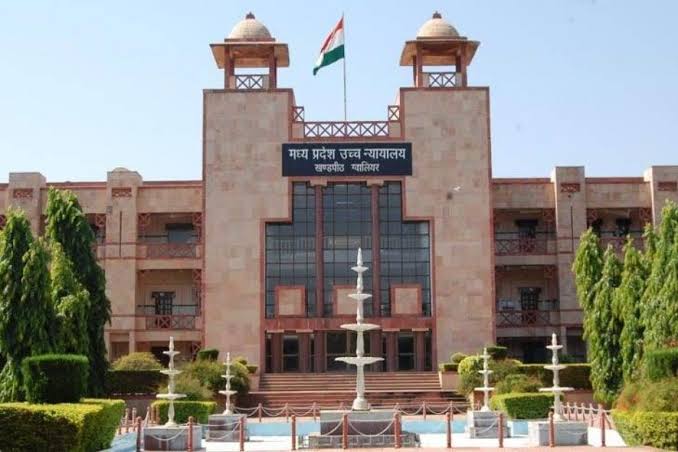
Court Ruling on Emotional Attachment and Adultery
In a significant judgment, the Madhya Pradesh High Court ruled that a wife’s emotional attachment or love for someone other than her husband does not qualify as adultery unless it involves sexual intercourse. The Court, presided over by Justice GS Ahluwalia, reaffirmed that adultery must involve physical relations, rejecting the husband's argument that his wife's emotional attachment to another person was sufficient grounds to deny her maintenance.
Legal Provisions Involved
- Section 125 of the CrPC (Criminal Procedure Code) – Maintenance of Wife: This section mandates that a husband is legally obligated to maintain his wife, even if she is not living with him, unless she is living in adultery. If the wife is proven to be living in adultery, maintenance may be denied. The Court emphasized that emotional attachment without physical relations does not constitute adultery and, thus, does not provide a valid ground to refuse maintenance.
- Section 24 of the Hindu Marriage Act – Maintenance during Matrimonial Proceedings: This provision ensures that a wife (or husband) can seek maintenance while matrimonial proceedings are ongoing. In this case, the wife had already been awarded ₹4,000 under Section 24 of the Hindu Marriage Act, and the Court upheld her right to interim maintenance under Section 125 of the CrPC.
Husband's Argument and Court’s Rejection
- The husband, who works as a Ward Boy with an income of ₹8,000, argued that the interim maintenance of ₹4,000 was too high and that he should not be compelled to pay due to his financial constraints. However, the Court ruled that meager income is not a valid defense to deny maintenance. The Court highlighted that if a husband is an able-bodied person, he must earn to support his wife or meet maintenance obligations, even if his income is limited.
- The Court also rejected the husband's claim that the wife was running a beauty parlour, stating that no documentary evidence was presented to support this assertion. Without proof, the claim was insufficient to deny the maintenance.
Key Evidence Issues
The Court pointed out the lack of authenticity in the husband’s salary certificate, which failed to include essential details such as the date and place of issuance. Because the certificate was not duly proven, the Court found it difficult to rely on it. Furthermore, the husband's claim of being dispossessed of family property was deemed unconvincing, as he continued to reside with his father, suggesting that the dispossession might have been a legal strategy or camouflage.
Court's Conclusion: Upholding Wife’s Right to Maintenance
The Court upheld the family court’s decision to award the wife ₹4,000 in interim maintenance, dismissing the husband’s revision petition. The Court reiterated that the maintenance provisions under Section 125 and Section 24 of the Hindu Marriage Act are well-established rights and cannot be denied without substantial proof of adultery or other valid grounds.
Legal Precedents and Principles
The judgment reaffirms the principle that emotional attachment does not amount to adultery, and a wife’s entitlement to maintenance is a legal right that must be upheld, barring clear evidence to the contrary. This ruling also serves as a reminder of the importance of providing proper evidence to support claims made in family court proceedings.