Kerala Court Sentences Woman to Life Imprisonment for Killing One-and-a-Half-Year-Old Son
Lexpedia News · 23 January 2026 · 5 min read
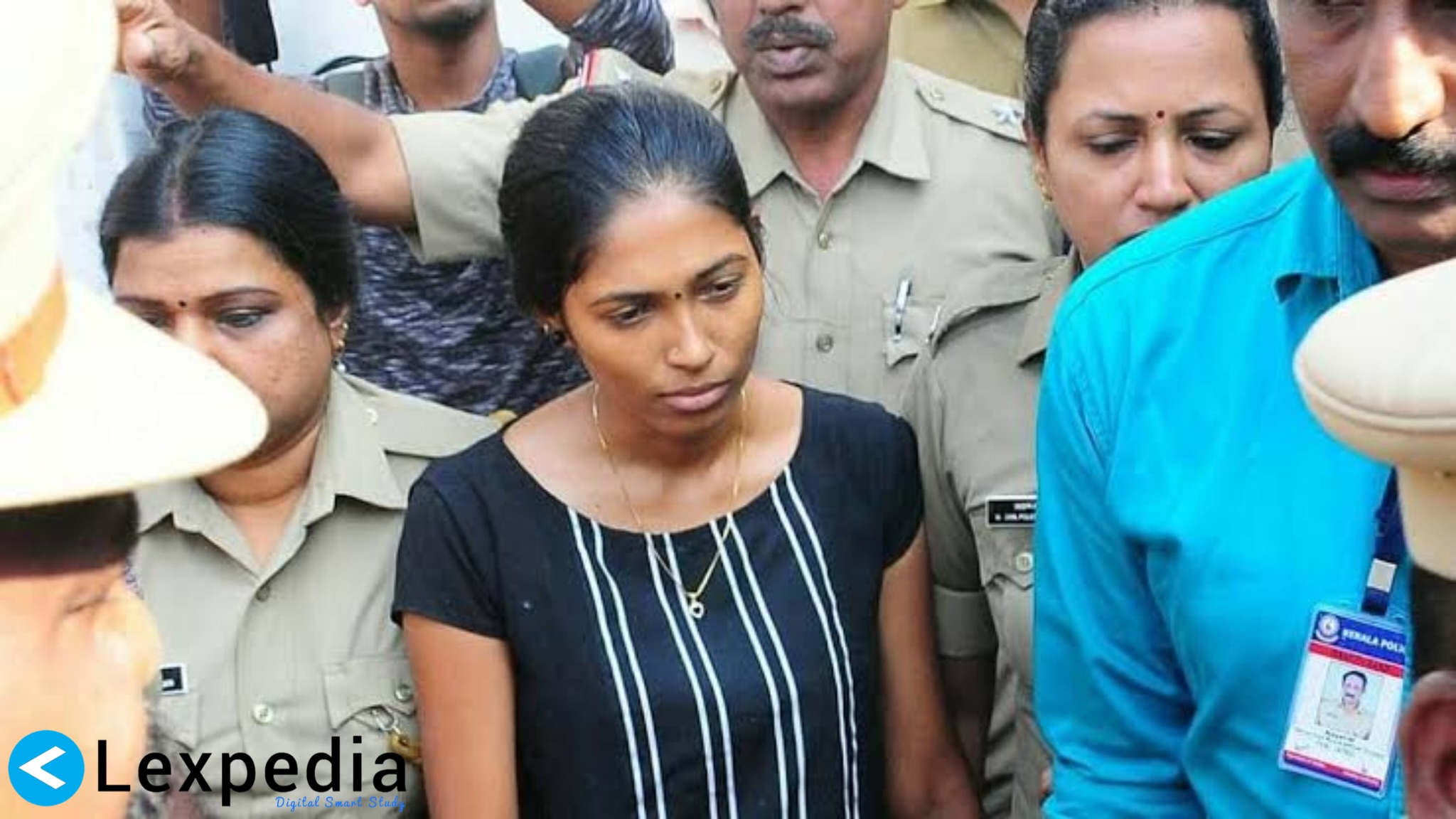
A Sessions Court in Kerala has sentenced Sharanya Valsaraj to life imprisonment for the brutal murder of her son, Viyan, then one-and-a-half years old, who she threw into the sea in February 2020. The Additional District and Sessions Court, Taliparamba delivered the verdict on Thursday, finding her guilty under Section 302 of the Indian Penal Code (IPC) after determining her guilt was proved beyond reasonable doubt.
Facts of the Case
According to the prosecution, Sharanya was living separately from her husband due to a strained marital relationship and was residing with her child at her maternal home near Thayyil beach in Kannur district. The prosecution alleged that Sharanya was involved in an extramarital relationship with Nidhin P., and the couple hatched a plan to kill the child so that the mother could live with her lover.
On the morning of the incident, Sharanya allegedly took the sleeping child out of the house and threw him into the sea from a seawall. Initially the child survived, but later died from blunt force injuries sustained when thrown against the stones of the seawall.
Evidence and Court Findings
The prosecution relied heavily on circumstantial evidence, including:
-
Medical evidence showing antemortem injuries inconsistent with drowning
-
Bloodstains at the scene
-
Presence of seawater on Sharanya’s clothing
-
“Last seen together” theory: the child was last seen alive with his mother hours before his body was found on the sea wall
-
Confession-related material and documents recovered following Sharanya’s statements to police
The court held that no direct evidence was needed where a complete chain of circumstances pointed conclusively to guilt. It observed that the prosecution had “proved the chain of circumstances in a complete and unbroken manner,” establishing her role in the murder beyond reasonable doubt.
Co-Accused and Acquittal
The second accused, Nidhin P., was acquitted of all charges, with the court holding that the prosecution failed to establish his involvement in either instigation, conspiracy, or abetment.
Sentence and Court’s Reasoning
While the prosecution had sought the death penalty, the court chose not to impose it, stating that:
"The quantum of sentence is not intended to satisfy society’s thirst for sensationalism… considering younger age, low-income background, absence of prior criminal antecedents and other socio-economic conditions, the balance indicates a greater likelihood of reform."
Accordingly, Sharanya was sentenced to undergo life imprisonment and pay a fine of ₹1 lakh, with the court directing that the fine be given to her husband.
Court’s Remarks on Investigation
The court also censured investigative and prosecutorial conduct, noting serious lapses, including:
-
Failure to prove handwriting samples conclusively
-
Attempt to introduce “bad character” evidence
-
Deficiencies in investigation sensitivity and professionalism
The judge observed that sniffer dog evidence could only be used as investigative aid and not as proof in court because such evidence is not subject to cross-examination.
Public and Legal Impact
The verdict has drawn attention as a poignant example of how circumstantial evidence can be marshalled to prove heinous crimes where direct forensic evidence is unavailable. Legal analysts note that the court’s rejection of the death penalty reflects a careful application of sentencing principles even in emotionally charged cases involving child victims.
माँ द्वारा बेटे की हत्या पर सत्र अदालत ने सुनाई आजीवन कारावास की सजा
तलिपरम्बा, कन्नूर (केरल) | 22 जनवरी 2026 — केरल के तलिपरम्बा के अतिरिक्त जिला एवं सत्र न्यायालय ने Sharanya Valsaraj को उसके एक डेढ़ वर्षीय बेटे वियान की हत्या के लिए आजीवन कारावास की सजा सुनाई है। अदालत ने बुधवार को यह फैसला पारित किया, यह पाते हुए कि वह IPC की धारा 302 (हत्या) के तहत दोषी है और उसका अपराध किसी भी संदेह से परे साबित हुआ है।
मामले का पूरा परिदृश्य
अभियोजन के अनुसार, शरण्या अपने पति से अलग रहते हुए अपने बच्चे के साथ कन्नूर के थैयिल बीच के पास अपनी माता-पिता के घर में रह रही थी। अभियोजन ने दावा किया कि शरण्या और निधिन P. के बीच एक प्रेम संबंध था और उन्होंने बच्चे को हत्या कर उसे हटाने की साजिश रची ताकि शरण्या अपने प्रेमी के साथ रह सके।
जांच के अनुसार, घटना के दिन सुबह शरण्या ने बच्चे को घर से बाहर ले जाकर समुद्र की कंक्रीट दीवार से समुद्र में फेंक दिया। शुरू में बच्चा जीवित था, लेकिन बाद में समुद्र की कंक्रीट दीवार पर मारने से हुए गंभीर चोटों के कारण उसकी मौत हो गई।
साक्ष्यों और अदालत का विश्लेषण
अभियोजन ने अधिकांश मामला परिस्थितिजन्य साक्ष्यों पर आधारित किया, जिसमें शामिल थे:
-
एंटेमोर्टेम चोटों के साथ मिज़ान चिकित्सा साक्ष्य
-
घटनास्थल पर रक्त के निशान
-
शरण्या के कपड़ों पर समुद्री पानी के अंश
-
“आख़िरी बार साथ देखा गया” सिद्धांत
-
पुलिस को दिए बयान के बाद मिली वस्तुएँ और दस्तावेज़
अदालत ने माना कि जब परिस्थितिजन्य साक्ष्यों की शृंखला संदेह से परे पाई जाती है, तो उन्हें दोष सिद्ध करने में पर्याप्त माना जा सकता है। अदालत ने कहा कि अपराध की शृंखला “पूरा और अविभाजित” साबित हुई है।
सह-आरोपी की बरी
दूसरे आरोपी निधिन P. को सभी आरोपों से बरी कर दिया गया, क्योंकि अभियोजन पक्ष उसकी भूमिका सिद्ध नहीं कर सका।
सजा और अदालत की तर्क
अभियोजन पक्ष ने मृत्युदंड की मांग की थी, लेकिन अदालत ने इसे ठुकरा दिया और कहा:
“सजा का उद्देश्य केवल समाज की सनसनी की प्यास नहीं है…न्यायिक सुधार के सिद्धांतों को ध्यान में रखते हुए, उम्र, पारिवारिक पृष्ठभूमि तथा अन्य परिस्थितियाँ रेखांकित की गई हैं।”
इसलिए शरण्या को आजीवन कारावास की सजा और ₹1 लाख का जुर्माना सुनाया गया, जो उसके पति को दिए जाने का निर्देश दिया गया।
जांच में खामियाँ और अदालत की टिप्पणियाँ
अदालत ने जांच में गंभीर कमियों की ओर भी इशारा किया, जैसे:
-
हस्तलिपि की पहचान साबित न कर पाना
-
आरोपी के खराब चरित्र को प्रमाणित करने की कोशिश
-
जांच तथा अभियोजन में गैर-पेशेवर ढंग
स्निफर कुत्ते द्वारा ट्रैकिंग साक्ष्य को अदालत ने साक्ष्य नहीं माना क्योंकि इसका प्रत्यक्ष जिरह योग्य होना आवश्यक है।
न्यायिक व सार्वजनिक प्रभाव
यह मामला दर्शाता है कि कैसे परिस्थितिजन्य साक्ष्यों के ज़रिये गंभीर अपराधों में दोष को साबित किया जा सकता है, और अदालत ने यह भी दिखाया कि मृत्युदंड हमेशा आवश्यक नहीं होता है, भले ही मामला जितना भी भयावह क्यों न हो।