Judge Jitendra Singh Discharged Liquor Scam Accused
Lexpedia News · 1 March 2026 · 5 min read
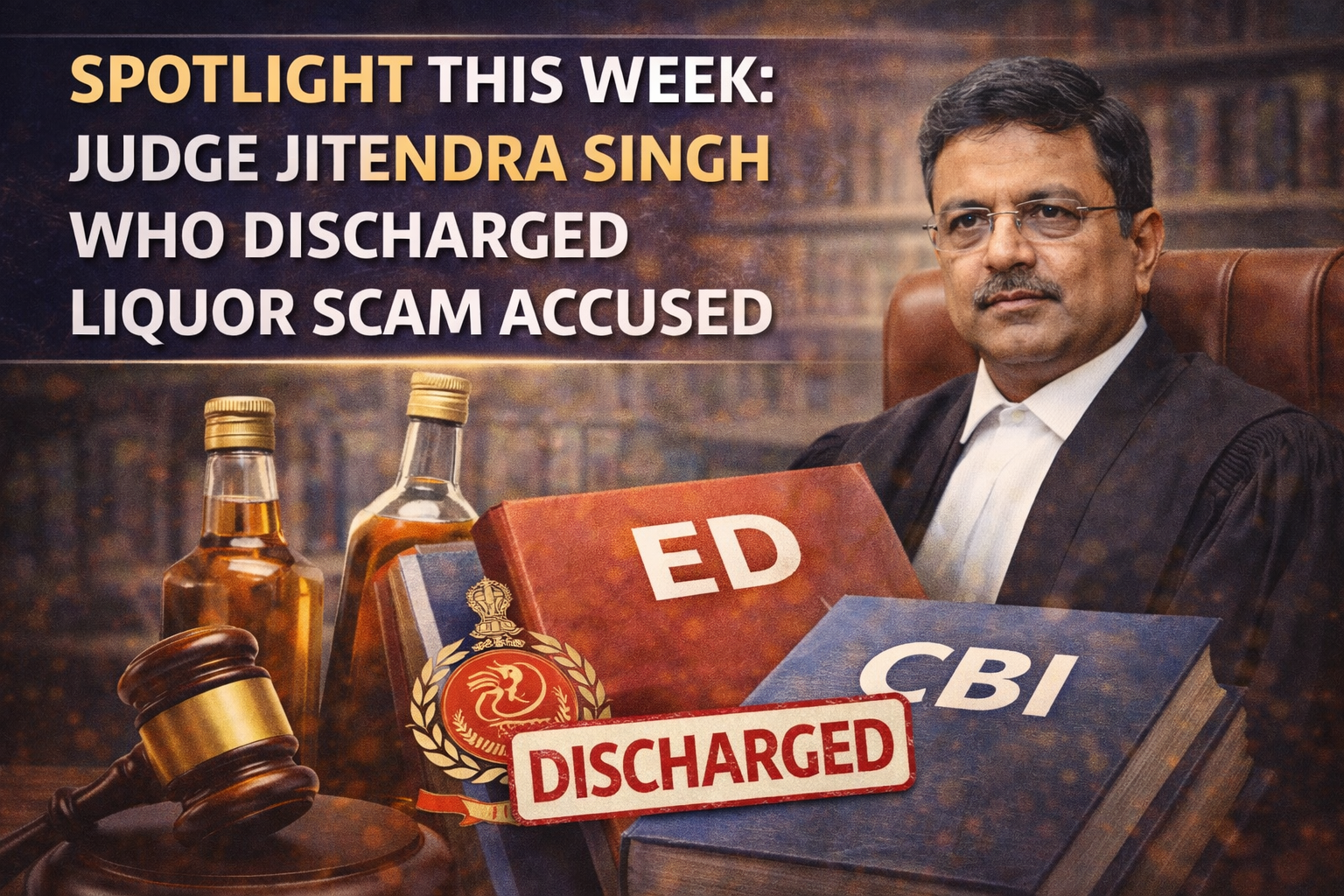
In a week marked by significant judicial pronouncements, Judge Jitendra Singh of the Special Court (CBI) has come under the spotlight for a high-profile order in the Uttar Pradesh Excise Policy Liquor Scam case, in which he discharged accused individuals from proceedings after detailed examination of the evidence and procedural compliance. Judge Singh’s ruling has stirred considerable discussion about judicial reasoning, standards of evidence, and checks on prosecutorial conduct in complex criminal trials.
The discharge order related to key accused in the liquor scam — a massive corruption and policy manipulation controversy that roiled Uttar Pradesh and triggered multiple investigations by the Central Bureau of Investigation (CBI) and the Enforcement Directorate (ED). The scam, alleged to involve irregularities in the award of excise policy contracts, has been the subject of intense public scrutiny since early 2023.
The Discharge Order: Grounds And Reasoning
In his detailed order, Judge Jitendra Singh analysed the evidence on record, including witness statements, charge sheets, and material produced by the investigating agencies. The judge noted that the prosecution had failed to make out a prima facie case against certain named accused, particularly on key counts that would sustain continued prosecution under the relevant provisions of the law. The order underscored that mere suspicion or allegations unsupported by reliable evidence cannot justify keeping an accused on trial.
Among the specific points highlighted in the discharge order were:
- Inadequate corroboration of statements against some accused.
- Failure to establish essential mens rea (criminal intention) elements in the offence allegations.
- Procedural lapses in investigation undermining the weight of certain evidentiary materials.
Judge Singh observed that justice must serve both accountability and fairness, and that judicial oversight is essential where prosecutions proceed on precarious evidentiary footing.
Legal Context: Discharge In Criminal Trials
Under the Code of Criminal Procedure (CrPC), courts have the power to discharge an accused if the evidence is held insufficient to proceed to trial. This legal tool serves as a safeguard against unwarranted or oppressive prosecutions, ensuring that the burden of proof rests squarely with the prosecution at the prima facie stage. Scholars note that discharge orders require careful judicial balancing and are comparatively rare in high-stakes corruption cases.
Legal observers have pointed out that Judge Singh’s order reflects the principle that courts must not allow “ram-raid” prosecution tactics where the evidence fails to meet basic thresholds. This principle has roots in fair trial jurisprudence and precedents emphasising that judicial discretion at the pre-trial stage acts as a critical check on prosecutorial zeal.
Public And Professional Reaction
The discharge order has generated diverse reactions from legal commentators, political circles, and civil society:
- Some legal experts have praised Judge Singh’s meticulous analysis, calling it a vindication of judicial independence and commitment to procedural fairness.
- Critics, particularly from anti-corruption forums, expressed concern that such orders can embolden investigative lapses and weaken accountability in intricate policy corruption matters.
- Political leaders in Uttar Pradesh and pan-India have weighed in, reflecting broader debates over the liquor policy scandal, governance, and institutional integrity.
Judge Jitendra Singh: Professional Background
Judge Jitendra Singh is a well-regarded judicial officer with a record of service in specialised courts. Before his current assignment at the Special Court (CBI), he presided over numerous criminal and civil matters, often involving complex evidence and procedural issues. His approach in the latest discharge order demonstrates a judicial philosophy that emphasises fairness and adherence to legal standards in criminal adjudication.
न्यायाधिकारी जितेन्द्र सिंह, जिन्होंने लिकर स्कैम आरोपियों को बरी किया
इस सप्ताह विशेष सीबीआई न्यायालय के जज जतिनेंद्र सिंह ने उत्तर प्रदेश एक्साइज पॉलिसी या लिकर स्कैम मामलों में कुछ आरोपियों को बरी करने के आदेश के कारण सुर्खियों में हैं। इस फैसले ने न्यायिक विवेचना, साक्ष्य मानदंड, और जांच एजेंसियों के दावों पर न्यायालयीय नियंत्रण के बारे में व्यापक चर्चा का कारण बनाया है। (barandbench.com)
उत्तर प्रदेश की लिकर पॉलिसी विवादास्पद रही है और इसे सीबीआई तथा ED दोनों एजेंसियों ने जांच के दायरे में लाया है। आरोप है कि शराब नीति के ठेके अनियमित तरीके से वितरित किए गए, जिससे भारी वित्तीय और प्रशासनिक सवाल उठे।
बरी करने का आदेश: आधार और विवेचना
जज जतिनेंद्र सिंह ने अपने आदेश में उपलब्ध साक्ष्यों का गहन परीक्षण किया और कहा कि कुछ नामजद आरोपियों के खिलाफ प्रारंभिक आवश्यक साक्ष्य नहीं प्राप्त हुआ है, जो मुकदमे के लिए पर्याप्त हों। उन मुख्य बिंदुओं में शामिल थे:
- गवाह बयानों की अपर्याप्त पुष्टि।
- अपराध की मानसिक स्थिति (mens rea) को सुदृढ़ करने वाले साक्ष्य का अभाव।
- जांच प्रक्रिया में तकनीकी त्रुटियाँ।
न्यायमूर्ति ने कहा कि केवल संदेह या आरोपों के आधार पर मुकदमा चलाना उचित नहीं है और अदालतों को न्याय और निष्पक्षता दोनों को ध्यान में रखना चाहिए।
आपराधिक मुकदमों में बरी आदेश की कानूनी पृष्ठभूमि
भारतीय दंड प्रक्रिया संहिता (CrPC) के तहत न्यायालयों को शक्ति दी गई है कि वे उन आरोपियों को बरी कर दें जिनके खिलाफ पर्याप्त प्रारंभिक साक्ष्य नहीं है। यह प्रावधान उन आरोपियों को निराधार या अत्यधिक अभियोजन से बचाता है।
कानूनी विशेषज्ञों के अनुसार, जज सिंह का आदेश यह दर्शाता है कि अदालतें तब मुकदमे को आगे नहीं बढ़ने देतीं जब साक्ष्य मजबूत न हों, और यह न्यायिक स्वतंत्रता एवं निष्पक्षता का प्रतीक है।
सार्वजनिक और पेशेवर प्रतिक्रिया
इस बरी आदेश पर विभिन्न प्रतिक्रियाएँ आईं:
- कुछ कानूनी विशेषज्ञों ने जज सिंह की विस्तृत विवेचना और निष्पक्ष निर्णय की प्रशंसा की।
- कुछ विरोधी समूहों ने चिंता जताई कि इससे जांच एजेंसियों की कार्रवाई कमजोर हो सकती है।
- राजनीतिक दलों और नागरिक मंचों ने भी इस पर अपनी टिप्पणियाँ दीं, जो इस व्यापक विवाद का हिस्सा हैं।
न्यायाधिकारी जितेन्द्र सिंह: पेशेवर पृष्ठभूमि
न्यायाधीश जितेन्द्र सिंह अपने पेशेवर कार्यकाल में विभिन्न जटिल आपराधिक और दीवानी मामलों की सुनवाई कर चुके हैं। उनके आदेश में दिखी साक्ष्य-आधारित जांच दृष्टि यह दर्शाती है कि वे न्यायिक जिम्मेदारी और विधिक मानदंडों को गंभीरता से लेते हैं।