Arrest warrant issued against Baba Ramdev, Acharya Balkrishna and Divya Pharmacy
Lexpedia News · 20 January 2025 · 3 min read

Legal Troubles for Baba Ramdev and Patanjali Empire
Bailable Arrest Warrant Issued in Kerala for Baba Ramdev, along with Acharya Balkrishna and Divya Pharmacy — the marketing arm of Patanjali Ayurveda — has landed in legal trouble in Kerala. On January 16, the Judicial First Class Magistrate II in Palakkad issued a bailable arrest warrant against the trio after they failed to appear in court. This marks the first warrant issued against them in Kerala, reflecting a significant step in the ongoing legal scrutiny of Patanjali’s alleged misleading advertising claims.
Allegations Against Patanjali
The case, registered in October 2024, accuses Patanjali of promoting healthcare products with unsubstantiated claims. Advertisements for their products reportedly promised cures for high blood pressure, diabetes, obesity, and even Covid-19, which violates the Drugs and Magic Remedies (Objectionable Advertisements) Act, 1954.
Despite multiple summons, none of the accused appeared in court, leading to the warrant issuance. The matter is now scheduled for a hearing on February 1, 2025.
A Pattern of Legal Challenges
This case is not an isolated incident. Media reports suggest that at least 10 cases are pending against Baba Ramdev and his associates in Kerala alone. These include:
- Four cases in Kozhikode
- Three cases in Palakkad
- Two cases in Ernakulam
- One case in Thiruvananthapuram
Additionally, similar cases are reportedly pending in Haridwar, Uttarakhand, and other states. The repeated non-appearance in hearings has irked the judiciary, suggesting a potential pattern of evasion.
Supreme Court's Warning
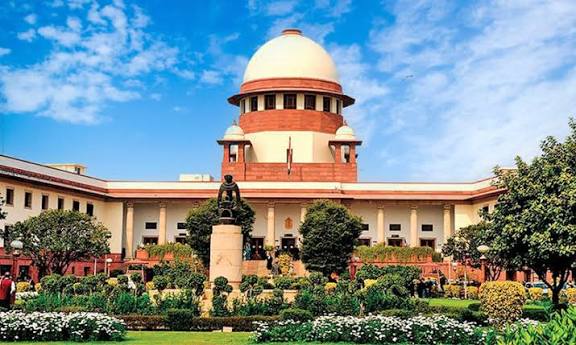
The Kerala court's action follows a strong message from the Supreme Court on January 15, 2025. The Apex Court, led by Justices Abhay Oka and Ujjal Bhuyan, warned states and union territories of contempt action for delays in addressing legal proceedings against companies and individuals promoting misleading medical claims. The court emphasized the need to enforce laws such as:
- Drugs and Magic Remedies Act
- Drugs and Cosmetics Act
- Consumer Protection Act
The Supreme Court criticized the laxity in tackling deceptive advertising, urging stricter enforcement of regulations.
Broader Implications of the Case
- Impact on Patanjali’s Brand Credibility: Patanjali, a household name in India, has leveraged Baba Ramdev's popularity as a yoga guru to build a massive market share in herbal medicines and Ayurvedic products. However, the controversies surrounding its health claims have raised questions about its ethical practices.
- Consumer Accountability: Misleading advertisements can exploit vulnerable consumers seeking quick fixes for serious health issues, making accountability in health-related advertising crucial.
Critics argue that while Patanjali promotes itself as a champion of Ayurvedic tradition, its unverifiable and exaggerated health claims often cross ethical boundaries.
The Bigger Picture
The piling legal cases signal that even established brands like Patanjali are not immune to scrutiny. For Baba Ramdev and his team, this is more than a legal issue—it’s a test of credibility. The judiciary's recent efforts to clamp down on misleading medical claims highlight a shift towards greater accountability in the advertising space.
As these cases progress, the message to Patanjali is clear: substantiate your claims or face the consequences. With the judiciary cracking down, the era of unchecked advertising may soon come to an end. For now, Patanjali must comply with legal proceedings or risk further repercussions.