After terrorist attack in Pahalgam, Jammu and Kashmir, India has experienced a significant escalation in cyber threats
Lexpedia · 2 May 2025 · 2 min read
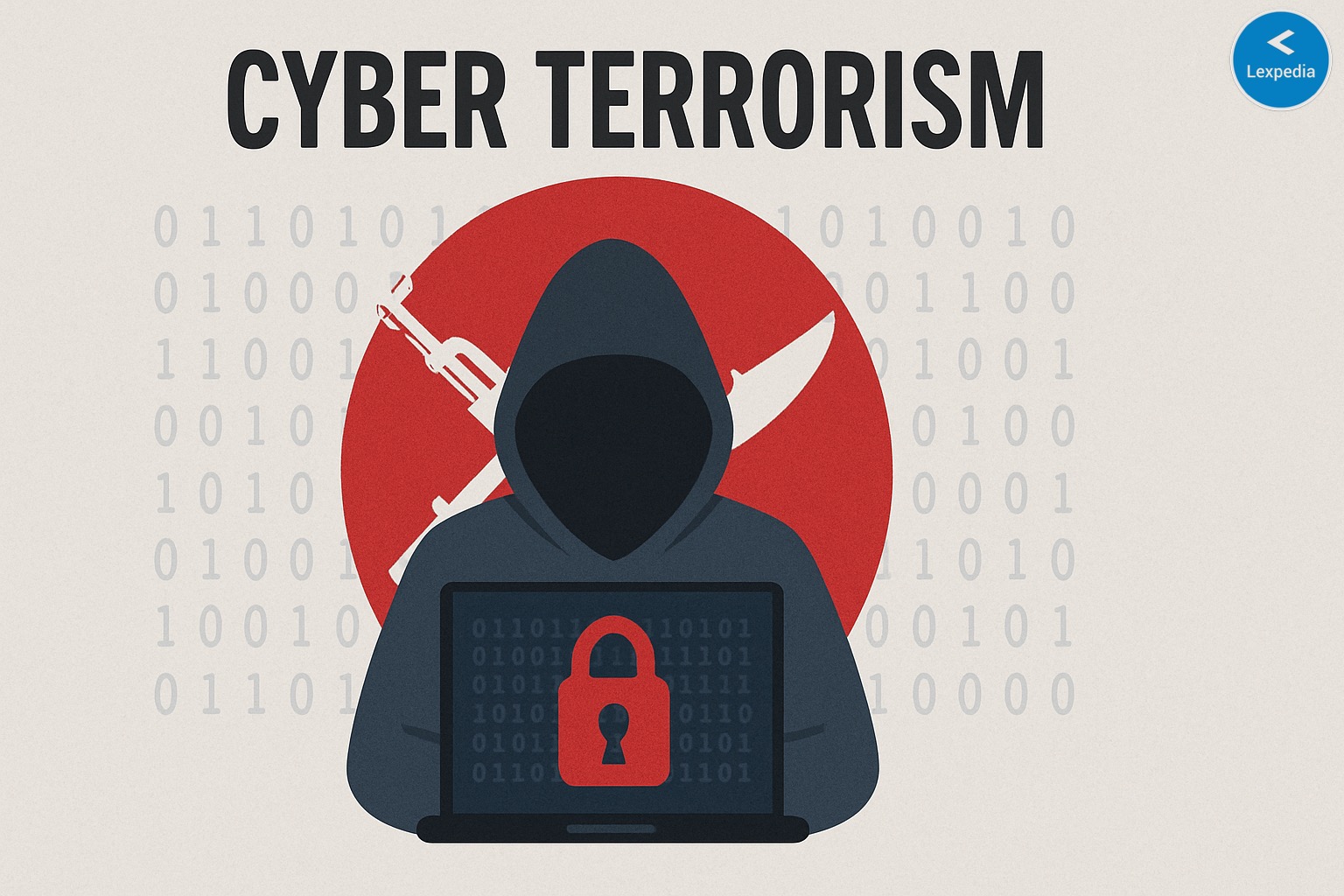
Following the April 22 terrorist attack in Pahalgam, Jammu and Kashmir, India has experienced a significant escalation in cyber threats.
According to a report by the Maharashtra Cyber Cell titled “Echoes of Pahalgam”, nearly one million cyberattacks have been recorded since April 23, primarily targeting sectors such as education, defense, banking, and communication.
These attacks have predominantly originated from Pakistan, the Middle East, Morocco, and Indonesia.
Groups like Team Insane PK, a Pakistani Advanced Persistent Threat (APT) group, have been implicated in attacking Indian institutions including the Army College of Nursing and various Army Public Schools. Their methods include website defacement, exploiting CMS vulnerabilities, and creating command-and-control networks.
Additionally, cybersecurity researchers have warned Indian users about a rise in attacks involving malicious PDF files disguised as official documents, aiming to hack personal computers, laptops, and mobile devices.
Indian authorities have responded by alerting departments and strengthening cybersecurity defenses.
This situation highlights the evolving nature of cyber warfare and the need for robust digital security.
22 अप्रैल को जम्मू-कश्मीर के पहलगाम में हुए आतंकी हमले के बाद भारत पर साइबर हमलों में भारी वृद्धि देखी गई है।
महाराष्ट्र साइबर सेल की रिपोर्ट “Echoes of Pahalgam” के अनुसार, 23 अप्रैल से अब तक भारत पर लगभग 10 लाख साइबर हमले हो चुके हैं।
ये हमले मुख्य रूप से शिक्षा, रक्षा, बैंकिंग और संचार क्षेत्रों को निशाना बना रहे हैं।
इन हमलों की उत्पत्ति मुख्य रूप से पाकिस्तान, मिडिल ईस्ट (मध्य पूर्व), मोरक्को और इंडोनेशिया से हो रही है।
Team Insane PK नामक पाकिस्तानी APT समूह ने आर्मी कॉलेज ऑफ नर्सिंग और विभिन्न आर्मी पब्लिक स्कूलों को निशाना बनाया है।
उनकी तकनीकों में वेबसाइट डिफेसमेंट, CMS की कमजोरियों का फायदा उठाना, और कमांड-एंड-कंट्रोल नेटवर्क बनाना शामिल है।
साथ ही, साइबर सुरक्षा विशेषज्ञों ने चेतावनी दी है कि पाकिस्तान से फर्जी सरकारी दस्तावेजों के रूप में भेजी गई हानिकारक PDF फाइलों के माध्यम से कंप्यूटर, लैपटॉप और मोबाइल डिवाइसों को निशाना बनाया जा रहा है।
भारतीय एजेंसियों ने संबंधित विभागों को सतर्क किया है और साइबर सुरक्षा उपायों को मजबूत किया जा रहा है।
यह स्थिति साइबर युद्ध की बदलती प्रकृति और मजबूत डिजिटल सुरक्षा की आवश्यकता को दर्शाती है।