Tragic Incident at KIIT Sparks Protests, Diplomatic Tensions
Lexpedia · 18 February 2025 · 3 min read
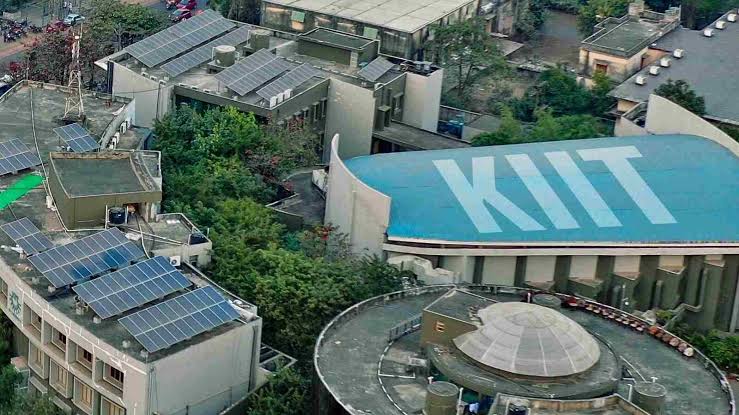
The tragic death of Prakriti Lamsal, a 20-year-old Nepali student at Kalinga Institute of Industrial Technology (KIIT) in Bhubaneswar, has sparked widespread protests, raised concerns about university negligence, and drawn diplomatic attention. Lamsal, a third-year BTech student, was found dead in her hostel room on February 16, with allegations emerging that she had been harassed and blackmailed by a fellow student, Advik Srivastava, a 21-year-old from Lucknow.
Allegations and Police Action
- According to the FIR filed by Lamsal’s cousin, Siddhant Sigdel, she had been the target of continuous harassment by Srivastava, which allegedly led to her tragic death. Lamsal reportedly informed the university's International Relations Office (IRO) about the harassment, but the authorities only issued a warning without taking significant action. Additionally, social media posts suggested that Lamsal had been blackmailed by Srivastava, with a disturbing audio clip allegedly featuring Srivastava abusing and harassing her.
- On the evening of February 16, Srivastava was detained by the police outside Biju Patnaik International Airport as he attempted to leave Bhubaneswar. A flight ticket from Bhubaneswar to Kolkata dated the same day raised questions about whether Srivastava was fleeing after Lamsal’s death. Srivastava has been arrested and charged under Section 108 of the Indian Penal Code for abetment of suicide. Police have also seized Lamsal's mobile phone and laptop for forensic examination.
Protests and Eviction of Nepali Students
- The news of Lamsal’s death led to protests from over 500 Nepali students at KIIT, demanding justice. They accused the university of failing to address Lamsal’s complaints and of not taking adequate action to protect her. Clashes were reported between the protesting students and the university’s security guards, with videos circulating on social media.
- In response to the protests, the university closed the campus indefinitely for Nepali students on February 17, instructing them to vacate the premises immediately. Eyewitnesses reported that students were forcibly escorted onto buses and dropped off at Cuttack railway station, located 30 km away, without proper arrangements for travel. Many students were left without train tickets, and others had upcoming exams scheduled for February 28. Some reports also allege that university officials made racially insensitive remarks during the evacuation, further escalating tensions.
Diplomatic Involvement
- The situation quickly escalated into a diplomatic issue, drawing the attention of the Nepalese government. Nepalese Prime Minister KP Sharma Oli condemned the forced eviction of Nepali students and urged the Indian government to intervene. PM Oli voiced his concerns on Facebook and X (formerly Twitter), accusing KIIT of mistreating the students.
- In response to mounting diplomatic pressure, the Odisha government intervened, instructing KIIT to reverse its decision. Subsequently, the university issued a statement inviting Nepali students to return and assuring them that academic activities would resume as normal.
Ongoing Investigation and Demands for Justice
- As the situation develops, the investigation into Lamsal’s death continues, with many calling for a thorough inquiry into the harassment claims and the university's handling of the situation. Nepali student groups have demanded justice for Prakriti Lamsal and called for more stringent measures to address harassment on campuses.
- The case remains under scrutiny, with both Indian and Nepalese authorities committed to ensuring justice for Lamsal and accountability for those involved.