Supreme Court Seeks Material Evidence from Madhya Pradesh Authorities Regarding Chemical Waste Disposal from Bhopal Gas Tragedy Site
Lexpedia · 25 February 2025 · 4 min read
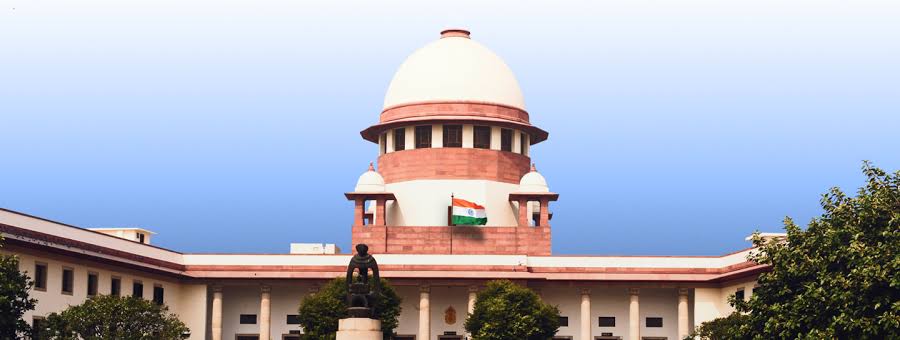
Background of the Case: The Supreme Court of India, today, issued a call to the Madhya Pradesh authorities to provide material evidence regarding the concerns raised by a petitioner over the transportation and disposal of 337 metric tonnes of hazardous chemical waste from the site of the Bhopal Gas Tragedy to Pithampur. The Court has sought clarity on whether the authorities have taken adequate steps to address the potential dangers to citizens in the surrounding areas.
The petition in question challenges the Madhya Pradesh High Court’s direction, which approved the transportation and disposal of this chemical waste from the Union Carbide factory site. The petitioner has raised fears that the disposal process could pose a significant health and environmental risk to the people living near the Pithampur facility. The Supreme Court, however, made it clear that it would not interfere unless the apprehensions raised are found to be substantial.
Supreme Court’s Intervention:
The matter was brought before the Supreme Court bench consisting of Justices BR Gavai and AG Masih, who sought clarity on the situation following a mentioning by the counsel. The counsel requested the Court to hear the matter on February 27, 2025, and sought an interim order to prevent the trial run of the chemical waste disposal, which was scheduled to begin on February 27.
The bench requested the Madhya Pradesh Standing Counsel to review the petition and examine if the concerns raised were justified. Justice Gavai emphasized the need for the state to submit material evidence to address the potential risks to citizens, stating that the state must demonstrate that all necessary precautions were in place to mitigate the danger.
"If the apprehension is found to be valid, we will not let it happen, but unless that happens, we won’t interfere," the judge said.
Apprehensions Raised by the Petitioner:
The petitioner’s counsel highlighted several pressing concerns regarding the disposal of the hazardous chemical waste at the Pithampur site. These concerns included:
- Proximity to Residential Areas: The disposal site is located near Tarapura village, which houses 105 families and is just 250 meters away from the Pithampur facility. The counsel pointed out that toxic gases might be released during the incineration of the waste, posing a health threat to the residents of the village.
- Environmental Hazards: The Pithampur disposal facility is situated near the Gambhir River, and there is a risk of contaminating the water supply, which could have catastrophic consequences for both public health and the surrounding ecosystem.
- Lack of Adequate Measures for Relocation: Despite the proximity of the facility to the village, no efforts have been made to relocate the residents of Tarapura, who are exposed to potential harm. The petitioner argued that the state has failed to address the safety of these citizens adequately.
High Court's Previous Orders:
The Madhya Pradesh High Court had earlier ordered the disposal of 337 metric tonnes of chemical waste from the Union Carbide site in Bhopal. This order came in response to a Public Interest Litigation filed in 2004, which accused both the Central and State governments of failing to take effective steps in cleaning up the toxic waste still present at the defunct factory site.
The High Court had, in December 2024, termed the situation as a “sorry state of affairs” due to the prolonged inaction on removing the toxic waste. It directed authorities to take immediate action to clean up the area and ensure the safe disposal of the waste. Despite this order, concerns remain about the safety and health implications for citizens living near the disposal facility.
Supreme Court’s Next Steps:
The Supreme Court, in its order, gave the Madhya Pradesh government two days to file a counter-affidavit outlining the precautionary measures taken to ensure the safety of the citizens and the environment during the disposal process. Justice Gavai further instructed that the state hold off on initiating the trial run of the waste disposal on February 27, unless it can satisfy the Court that all necessary safeguards are in place to avoid any potential dangers.
Justice Gavai remarked, “Suppose something happens on the 27th itself...it should not be a fait accompli... You have to come with material to support that you have taken all precautions and there is no danger.”
Conclusion and Ongoing Legal Proceedings:
The Supreme Court is expected to hear the matter again on February 27, 2025, as the first item. The Court’s decision will depend on whether the Madhya Pradesh authorities can provide sufficient evidence that all necessary steps have been taken to protect the citizens and the environment from the risks associated with the disposal of the hazardous waste.
In the interim, the Court has also criticized the Madhya Pradesh High Court’s decision to pass the order on February 18, given that the Supreme Court was already seized of the matter. The Supreme Court will now determine if the concerns raised by the petitioner are valid and whether the state has adequately addressed them.
Case Title: CHINMAY MISHRA Versus UNION OF INDIA AND ORS., Diary No. 3661-2025