Muralidhar Highlights Press Freedom Challenges and Judicial Independence in India
Lexpedia · 24 March 2025 · 4 min read
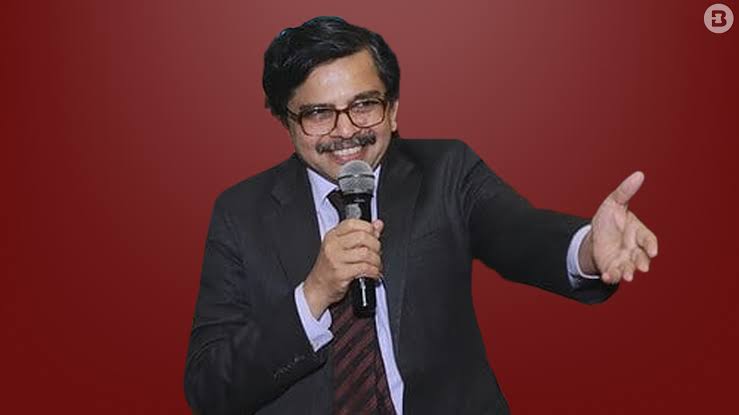
Senior Advocate Dr. S. Muralidhar, former High Court Chief Justice, delivered a powerful address at the B G Verghese Memorial Lecture at the India International Centre in Delhi, highlighting the pressing challenges to press freedom and judicial independence in India. Muralidhar, who is renowned for his advocacy of judicial reform and press freedom, took a deep dive into the systemic issues confronting the media landscape, including internet shutdowns, the safety of journalists, and the deteriorating state of free speech in the country.
Press Freedom in India: A Dismal Ranking
In his lecture, Muralidhar pointed to India’s concerning position in the 2024 World Press Freedom Index (WPFI) by Reporters Without Borders (RSF), where the country ranks a dismal 159th out of 180 nations, showing only a marginal improvement from 161st place in 2023. He stressed the need for a free media as an essential safeguard for a healthy democracy, while also calling attention to the mutual dependence between a free press and an independent judiciary.
"The media in a democratic polity needs an independent judiciary to safeguard its freedom," Muralidhar said, underscoring the importance of judicial independence for a media that can effectively hold the state accountable. He noted that the judiciary, in turn, requires a free press to ensure that its actions are transparent and subject to scrutiny.
Government Crackdowns on Dissent and Free Speech
Muralidhar's comments on government crackdowns on dissent were pointed, referencing recent incidents such as the BBC documentary on the 2002 Gujarat riots and the blocking of the Tamil magazine Ananda Vikatan's website for publishing a satirical cartoon of Prime Minister Modi. He criticized the Madras High Court's order to remove the cartoon, stating, "This is totally contrary to the settled legal position that mere criticism of the government, even if ill-informed, is not anti-national."
The speech also addressed the growing use of draconian laws, including the Unlawful Activities (Prevention) Act (UAPA) and the Public Safety Act (PSA), against journalists. Muralidhar lamented the chilling effect these laws have on free speech, warning that they discourage critical dialogue, especially when legitimate dissent is branded as anti-national.
The Role of Social Media in Shaping Press Freedom
Muralidhar did not spare the role of social media in exacerbating the issue. While acknowledging that social media platforms offer a space for independent voices, he cautioned against attempts by the government to control online content. He highlighted the Bombay High Court’s ruling against the government’s attempt to become the exclusive fact-checker, calling it a significant step in preserving freedom of expression in the digital age.
Safety of Journalists: An Increasing Concern
Muralidhar also emphasized the increasing safety concerns for journalists in India. Citing statistics from 2023, he pointed out that five journalists were killed, and 226 were targeted, with the majority of these attacks linked to state agencies. He shared alarming examples of journalists being targeted for their investigative work, including the brutal attack on Jyotiranjan Mohapatra and the beheading threats to Vinay Pandey, underscoring the dangerous environment that many reporters face when covering sensitive topics like environmental crimes or political corruption.
Media Ownership and the Commercialization of Journalism
Additionally, he criticized the role of media ownership and commercial pressures, noting that much of the mainstream media in India is owned by large corporate houses or political parties, creating a conflict of interest. He warned of the decline in journalistic integrity, with concerns about self-censorship, paid news, and the increasing control exerted by government advertisements and corporate sponsorships.
Hope for the Future: Investigative Journalism’s Resilience
Despite these challenges, Muralidhar expressed hope, recognizing the courage and conviction of fearless reporters who continue to uphold journalistic integrity, often at great personal risk. He concluded by calling on the judiciary to embrace criticism and uphold the principles of free speech, quoting Lord Denning: "We do not fear criticism, nor do we resent it. For there is something far more important at stake. It is no less than freedom of speech itself."
The Call for Judicial Support in Press Freedom
The lecture, which examined the evolving dynamics between media, courts, and freedom of expression, provided a stark reminder of the struggles that journalists and the judiciary face in safeguarding the fundamental rights of citizens. Dr. Muralidhar’s call for a free and independent press, supported by an impartial and vigilant judiciary, resonated strongly, reinforcing the need for continued advocacy for press freedom and judicial integrity in India.