Supreme Court Issues Notice On PIL Seeking Voting Rights For Undertrials: Challenging Blanket Ban Under RP Act
Lexpedia News · 9 October 2025 · 5 min read
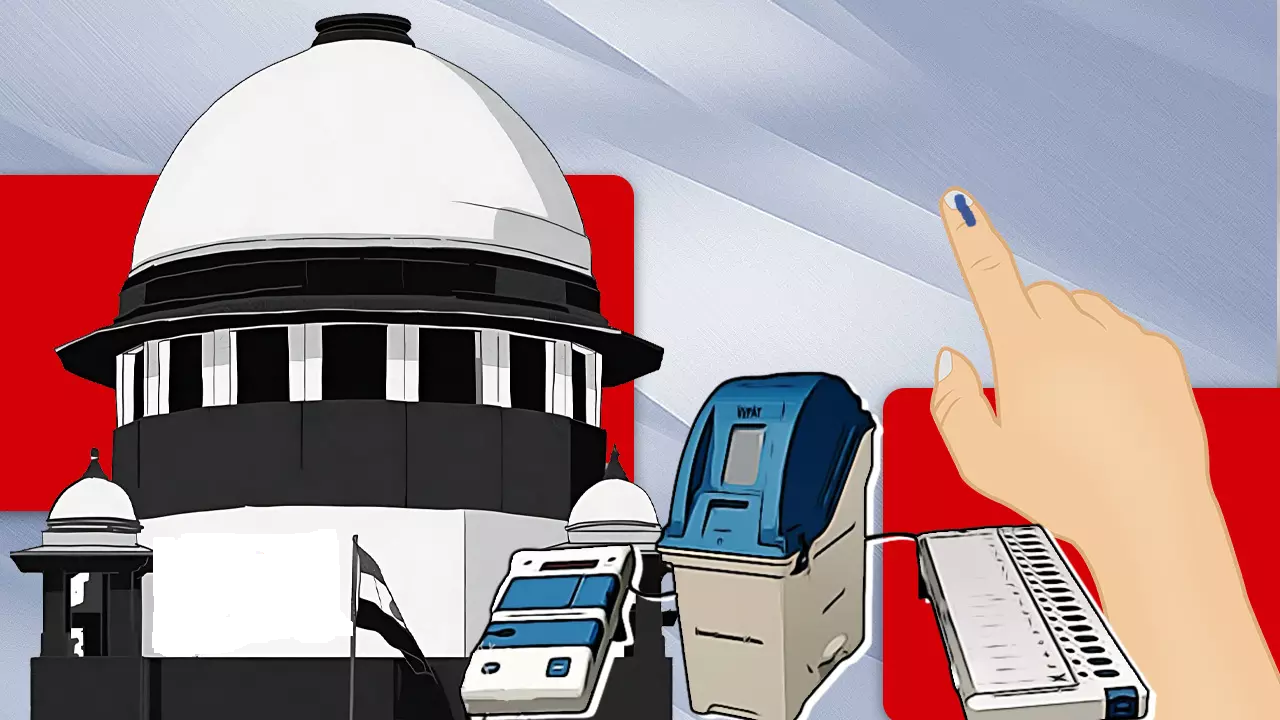
The Supreme Court of India today issued notice to the Union Government and the Election Commission of India (ECI) on a significant Public Interest Litigation (PIL) that seeks to extend voting rights to undertrial and pre-trial prisoners across the country.
A Bench comprising Chief Justice of India (CJI) B.R. Gavai and Justice K. Vinod Chandran issued notice on the PIL filed by Sunita Sharma, represented by Advocate Prashant Bhushan.
The Challenge to Section 62(5) of the RP Act
The petition specifically challenges the blanket prohibition imposed by Section 62(5) of the Representation of the People Act, 1951, which states:
-
"No person shall vote at any election if he is confined in a prison... or is in the lawful custody of the police." (Excluding those under preventive detention).
The petitioner argues that this absolute ban, which applies indiscriminately to all prisoners regardless of their guilt, is unconstitutional and violates fundamental democratic principles.
Core Arguments of the Petitioner
1. Presumption of Innocence (अनुमानित निर्दोषता)
The plea asserts that excluding undertrials—who comprise approximately 75% of India's prison population (over 4.5 lakh individuals)—violates the universally recognized principle of presumption of innocence until proven guilty. The ban strips a huge population of their franchise based merely on confinement, not conviction.
2. Conflict with Constitutional/Statutory Rights
The petition is filed under Article 32 of the Constitution and cites the 2023 Constitution Bench judgment in Anoop Baranwal, which affirmed that the Right to Vote is a Constitutional Right, not merely a statutory one. This stance is used to argue that the 1997 judgment (Anukul Kumar Pradhan) which upheld the ban by viewing the right to vote as a "mere statutory right" should no longer apply.
3. Global Democratic Practices
The PIL highlights that India's blanket disqualification stands in stark contrast to global democratic norms. In most democracies worldwide, voting rights are restricted only in limited circumstances:
-
Following an individualized judicial determination.
-
After a final conviction for specific serious offences.
-
Where disenfranchisement forms part of the judicial sentence. The petitioner noted that even in neighboring Pakistan, undertrial prisoners retain their voting rights.
4. The Irony of Contesting Elections
The petitioner poses a sharp question: "If a convicted individual serving a sentence can be permitted to contest elections and influence law-making, how can an ordinary citizen, who has not even been declared guilty, be denied the right to vote and to choose their own representative?”
Relief Sought from the Supreme Court
The petitioner urges the Court to intervene and:
-
Strike down the blanket ban and restrict disenfranchisement only pursuant to an individualized judicial determination or final conviction for specified offenses.
-
Issue directions to the ECI to establish polling stations within prisons to facilitate voting by local incarcerated electors, and make provisions for postal ballots for prisoners lodged outside their home constituencies.
-
Exclude only those prisoners convicted or detained for offenses related to corrupt practices or electoral offenses defined under Part VII of the Representation of the People Act, 1951.
निर्दोष माने जाने वाले कैदियों के लिए चुनावी अधिकार मांगने वाली ऐतिहासिक याचिका पर विस्तृत रिपोर्ट
भारत के सर्वोच्च न्यायालय ने आज एक महत्वपूर्ण जनहित याचिका (PIL) पर केंद्र सरकार और भारतीय निर्वाचन आयोग (ECI) को नोटिस जारी किया है। इस याचिका में देशभर के अंडरट्रायल (विचाराधीन) और प्री-ट्रायल कैदियों को वोट देने का अधिकार देने की मांग की गई है।
मुख्य न्यायाधीश (CJI) बी.आर. गवई और न्यायमूर्ति के. विनोद चंद्रन की पीठ ने सुनीता शर्मा द्वारा दायर इस याचिका पर नोटिस जारी किया, जिनकी पैरवी अधिवक्ता प्रशांत भूषण ने की।
लोक प्रतिनिधित्व अधिनियम की धारा 62(5) को चुनौती
यह याचिका विशेष रूप से लोक प्रतिनिधित्व अधिनियम, 1951 की धारा 62(5) द्वारा लगाए गए पूर्ण प्रतिबंध को चुनौती देती है, जिसमें कहा गया है:
-
"कोई भी व्यक्ति किसी भी चुनाव में तब तक वोट नहीं देगा, जब तक वह जेल में बंद है... या पुलिस की कानूनी हिरासत में है।" (निवारक निरोध के तहत हिरासत में रखे गए व्यक्तियों को छोड़कर)।
याचिकाकर्ता का तर्क है कि यह पूर्ण प्रतिबंध, जो सभी कैदियों पर बिना किसी भेदभाव के लागू होता है, असंवैधानिक है और मौलिक लोकतांत्रिक सिद्धांतों का उल्लंघन करता है।
याचिकाकर्ता के मुख्य तर्क
1. अनुमानित निर्दोषता (Presumption of Innocence)
याचिका में कहा गया है कि अंडरट्रायल कैदियों—जो भारत की जेल आबादी का लगभग 75% (4.5 लाख से अधिक व्यक्ति) हैं—को बाहर करना "दोषी साबित होने तक निर्दोषता के अनुमान" के सार्वभौमिक सिद्धांत का उल्लंघन करता है। यह प्रतिबंध केवल कैद के आधार पर लाखों लोगों के मताधिकार को छीन लेता है, न कि दोषसिद्धि के आधार पर।
2. संवैधानिक/वैधानिक अधिकारों से टकराव
याचिका संविधान के अनुच्छेद 32 के तहत दायर की गई है और अधिवक्ता अनूप बरनवाल मामले (2023) के संविधान पीठ के फैसले का हवाला देती है, जिसमें वोट देने के अधिकार को केवल एक वैधानिक अधिकार नहीं, बल्कि एक संवैधानिक अधिकार माना गया था। याचिकाकर्ता का तर्क है कि इस नए दृष्टिकोण के कारण 1997 का पुराना फैसला (अनुकूल कुमार प्रधान) अब लागू नहीं होना चाहिए।
3. वैश्विक लोकतांत्रिक प्रथाओं के विपरीत
PIL में बताया गया है कि कैदियों को अयोग्य ठहराने का भारत का पूर्ण प्रतिबंध वैश्विक लोकतांत्रिक मानदंडों के विपरीत है। दुनिया भर के अधिकांश लोकतंत्रों में, मतदान के अधिकार को केवल सीमित परिस्थितियों में प्रतिबंधित किया जाता है:
-
एक व्यक्तिगत न्यायिक निर्धारण के बाद।
-
विशिष्ट गंभीर अपराधों के लिए अंतिम दोषसिद्धि के बाद।
-
जहां मताधिकार की समाप्ति न्यायिक सजा का हिस्सा होती है। याचिकाकर्ता ने इस बात पर जोर दिया कि पड़ोसी देश पाकिस्तान में भी, विचाराधीन कैदियों को वोट देने का अधिकार प्राप्त है।
4. चुनाव लड़ने की विसंगति
याचिकाकर्ता ने एक तीखा सवाल उठाया है: "यदि सज़ा काट रहे दोषी व्यक्तियों को चुनाव लड़ने और कानून बनाने की प्रक्रियाओं को प्रभावित करने की अनुमति दी जाती है, तो एक साधारण नागरिक, जिसे अभी तक दोषी भी घोषित नहीं किया गया है, को वोट देने और अपना प्रतिनिधि चुनने के अधिकार से कैसे वंचित किया जा सकता है?"
सुप्रीम कोर्ट से मांगी गई राहत
याचिकाकर्ता ने कोर्ट से हस्तक्षेप करने और निम्न निर्देश जारी करने का आग्रह किया है:
-
पूर्ण प्रतिबंध को खत्म किया जाए और मताधिकार की समाप्ति को केवल व्यक्तिगत न्यायिक निर्धारण या निर्दिष्ट अपराधों के लिए अंतिम दोषसिद्धि तक ही सीमित किया जाए।
-
ECI को निर्देश दिया जाए कि वह स्थानीय कैद मतदाताओं के मतदान को सुविधाजनक बनाने के लिए जेलों के भीतर मतदान केंद्र स्थापित करे, और अपने गृह निर्वाचन क्षेत्रों या राज्यों के बाहर बंद कैदियों के लिए डाक मतपत्र की व्यवस्था करे।