Lexpedia — Digital Smart Study
Legal News
Judgements
Articles
Syllabus
Bare Acts
Exam Notifications
Legal NewsArticlesBare Acts
Lexpedia — Digital Smart Study

India's most comprehensive legal exam preparation platform. Prepare for Judiciary, UGC NET, AIBE, CLAT and more.

Download the App

Get it on Google PlayDownload on the App Store

Follow Us

Exams

  • Judiciary Exams
  • UGC NET Law
  • AIBE
  • CLAT / LLB Entrance
  • LLM Entrance
  • ADA / APP / APO

Resources

  • Legal News
  • Latest Judgements
  • Landmark Judgements
  • Legal Articles
  • Exam Notifications
  • Bare Acts
  • Syllabus

Company

  • About Lexpedia
  • Contact Us
  • Privacy Policy
  • Terms & Conditions
  • Refund Policy

Partner with Us

Advertise with Lexpedia

Reach 1M+ law students across India

Share PYQs with Us

Help students succeed — upload papers

© 2026 Lexpedia. All rights reserved.

PrivacyTermsRefund
Lexpedia — Digital Smart Study
Legal News
Judgements
Articles
Syllabus
Bare Acts
Exam Notifications
Legal NewsArticlesBare Acts
  1. Home
  2. News
  3. RBI Directs Banks to Use MNRL Technology to Combat Cyber Fraud and Enhance Security

RBI Directs Banks to Use MNRL Technology to Combat Cyber Fraud and Enhance Security

Lexpedia · 24 January 2025 · 2 min read
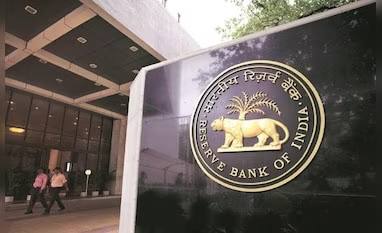
RBI Directs Banks to Use MNRL Technology to Combat Cyber Fraud and Enhance Security
Share:

What Has Happened?

The Reserve Bank of India (RBI) has mandated that all banks use the Telecom Regulatory Authority of India (TRAI)’s MNRL (Mobile Number Registration List), available on the Digital Intelligence Platform (DIP), to enhance their fraud risk monitoring and prevention mechanisms. This move is aimed at combating cyber frauds and preventing bank accounts from being used as money mules in illicit financial activities.

The MNRL technology is specifically designed to help identify mobile numbers that are linked to fraudulent activities, thereby improving banks' ability to detect and prevent fraud before it escalates.

What Is MNRL Technology?

The MNRL is a list of mobile numbers that have been permanently disconnected or revoked by telecom service providers due to various forms of misuse. This list includes:

  1. Numbers obtained using fake or forged documents.
  2. Numbers involved in cybercrime or financial fraud.
  3. Numbers reported by citizens for fraud and failed re-verification.
  4. Numbers disconnected by telecom providers after fraud analysis.
  5. Numbers reported for misuse by other organizations.
  6. Inactive numbers that have been dormant for an extended period of time.

This MNRL list provides valuable data to banks, helping them identify suspicious mobile numbers that may be linked to fraudulent activities. Integrating this technology into banks' fraud prevention systems will allow them to flag accounts tied to such numbers, minimizing the risk of financial fraud.

Why Is This Important?

With the rise in cybercrime and financial fraud, the RBI’s directive to leverage MNRL technology helps strengthen cybersecurity in the banking sector. The MNRL list enables banks to:

  • Identify and block fraudulent mobile numbers before they can be used to conduct illegal transactions.
  • Reduce the risk of money mule activities, where unsuspecting individuals’ bank accounts are used to transfer illicit funds.
  • Enhance real-time monitoring of accounts and transactions linked to potentially fraudulent mobile numbers.

By using this list, banks can better safeguard their customers' accounts and prevent financial losses due to fraud.

What Does It Mean for Consumers?

For consumers, this new technology means-

  • Increased security in banking transactions, as the MNRL helps detect fraudulent activity linked to suspicious mobile numbers.
  • Fewer instances of financial fraud and cybercrime, as banks will be better equipped to stop fraudulent transactions in their early stages.
  • Improved protection against money mule schemes, ensuring that customers’ accounts are not unknowingly involved in illegal financial transactions.
BankingCrimeFraud

Related Legal News

Punjab & Haryana High Court Allows Zee5 Documentary Release, Bars Use Of ‘Lawrence’ In Title

12 May 2026 · Lexpedia News

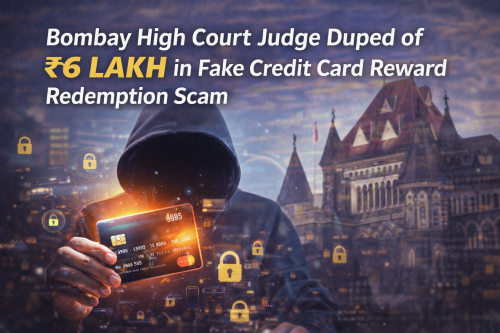
Bombay High Court Judge Falls Victim to Online Credit Card Scam, Loses ₹6 Lakh

7 March 2026 · Lexpedia News

Supreme Court Directs Trial Courts to Mandatorily Issue Victim Compensation Orders

8 November 2025 · Lexpedia

Supreme Court Directs Madras High Court for Expedited Hearing on New Criminal Laws

30 August 2025 · Lexpedia

Latest Articles

Supreme Court Releases Draft AI Regulations for Courts: Human Judges to Remain Supreme, AI-Based Decision-Making Prohibited

Lexpedia News

MONTHLY MAGAZINE APRIL, 2026

Lexpedia News

MONTHLY MAGAZINE MARCH

Lexpedia News

MONTHLY MAGAZINE FEBRUARY

Lexpedia News

MONTHLY MAGAZINE JANUARY

Lexpedia

Lexpedia — Digital Smart Study

India's most comprehensive legal exam preparation platform. Prepare for Judiciary, UGC NET, AIBE, CLAT and more.

Download the App

Get it on Google PlayDownload on the App Store

Follow Us

Exams

  • Judiciary Exams
  • UGC NET Law
  • AIBE
  • CLAT / LLB Entrance
  • LLM Entrance
  • ADA / APP / APO

Resources

  • Legal News
  • Latest Judgements
  • Landmark Judgements
  • Legal Articles
  • Exam Notifications
  • Bare Acts
  • Syllabus

Company

  • About Lexpedia
  • Contact Us
  • Privacy Policy
  • Terms & Conditions
  • Refund Policy

Partner with Us

Advertise with Lexpedia

Reach 1M+ law students across India

Share PYQs with Us

Help students succeed — upload papers

© 2026 Lexpedia. All rights reserved.

PrivacyTermsRefund