Rajasthan High Court Stays Coercive Action Against Arnab Goswami in Temple Demolition Case
Lexpedia · 7 March 2025 · 3 min read
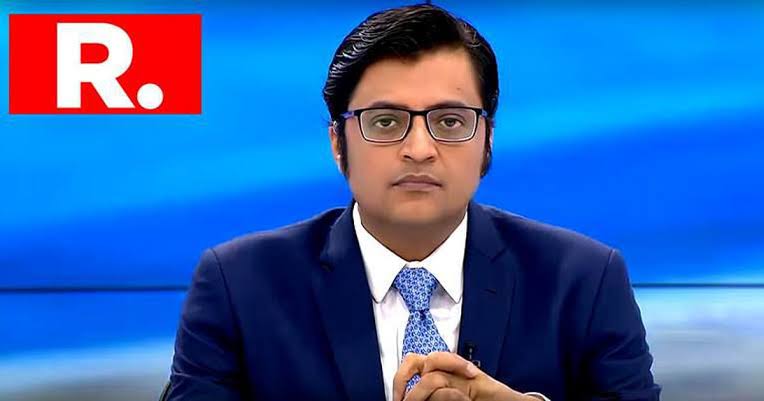
In a significant development protecting journalistic freedom, the Rajasthan High Court on March 3, 2025, restrained the Rajasthan police from taking any coercive action against Arnab Goswami, the Editor-in-Chief of Republic TV, in connection with a criminal case filed in 2022. The case is related to Republic Bharat’s coverage of the demolition of a Hindu temple in Rajgarh, Alwar district, and an ongoing demolition drive in Udaipur.
Court's Interim Order
The single-judge bench led by Justice Farnjand Ali granted interim relief to Goswami, stating that no coercive measures would be taken against him until the final disposal of his plea challenging the registration of the FIR. The court observed that, prima facie, the allegations made in the FIR did not appear to meet the requirements of Section 153A of the Indian Penal Code (IPC), which criminalizes the promotion of enmity between religious communities.
"The allegations in the FIR, even if taken at face value, do not disclose the commission of an offence under Section 153A of the IPC. The FIR lacks essential particulars such as the exact nature of statements, transcripts, or evidence demonstrating the Petitioner's culpability," the court observed.
Justice Ali further commented that the continued criminal investigation seemed to be an attempt to suppress journalistic freedom, noting that it was an unwarranted legal proceeding. The court stated, “The continued investigation, despite the apparent lack of evidence, suggests an attempt to suppress journalistic freedom and subject the Petitioner to unwarranted legal proceedings."
Background of the Case
The FIR was registered on May 17, 2022, at Ambamata Police Station in Udaipur, following a complaint by Congress spokesperson Pawan Khera. The complaint was related to the coverage of the Rajgarh temple demolition and the demolition drive in Alwar, which was aired by Republic Bharat.
Goswami’s counsel argued that the FIR was politically motivated, particularly as it came at a time when the Congress-led Rajasthan Government was being criticized in the media. The plea claimed that the case aimed to harass Goswami and entangle his network in unnecessary legal proceedings. Goswami’s plea emphasized that the broadcast was intended to promote communal harmony, and not to incite discord, as suggested in the complaint.
The program, in question, used the phrase "Jahangirpuri ka badla?" in reference to the Alwar demolition, which Goswami’s legal team argued was used to raise questions about the political motivations behind the demolition, particularly contrasting it with the Jahangirpuri demolition in Delhi. Goswami further argued that there was no public disturbance after the broadcast, showing that the coverage did not disrupt peace or public order.
Goswami’s Role and the Court’s Observations
Goswami also clarified that he was not involved in the day-to-day decision-making of Republic Bharat, nor did he participate personally in the specific broadcast that was the subject of the complaint.
The court noted that the FIR appeared to lack specific allegations against Goswami, which raised concerns about the legitimacy of the case. It suggested that the FIR may be being used as a tool for harassment rather than a legitimate legal action.
Previous Orders and Legal Proceedings
Earlier, Justice Dinesh Mehta had granted Goswami limited interim relief, which was extended from time to time. However, the Rajasthan State sought the withdrawal of this relief. The latest order provides Goswami with extended interim protection until the final decision on his plea.The case brings attention to the ongoing debate surrounding press freedom, political motivations behind legal proceedings, and the need to protect the rights of journalists in reporting news that is in the public interest.