Jharkhand High Court Delivers Long-Awaited Verdicts After Supreme Court Intervention
Lexpedia · 14 May 2025 · 3 min read
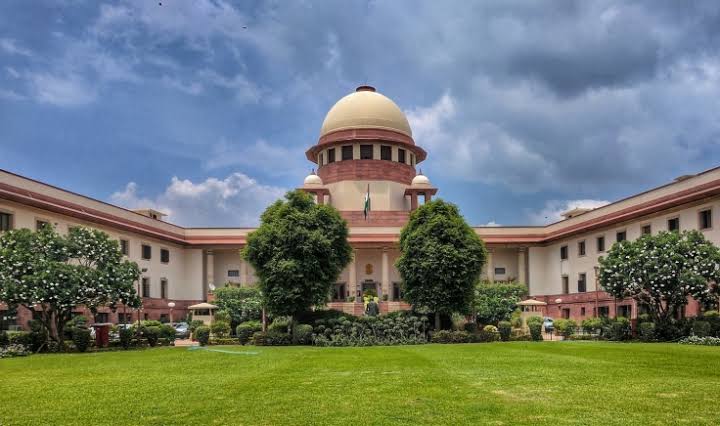
In a significant development following the intervention of the Supreme Court of India, the Jharkhand High Court recently delivered verdicts on four criminal appeals, which had been reserved for nearly three years. The appeals, involving four convicts who had been incarcerated in Birsa Munda Central Jail for over a decade, were finally disposed of, leading to their acquittals.
Background of the Case
The four convicts, who had been facing life imprisonment, were convicted for charges including murder and rape. Three of the convicts were found guilty of murder, while the fourth was convicted for rape. Among them, one had been in jail for over 16 years, while the others had served 11 to 14 years of actual custody. The appeals had been reserved by the Jharkhand High Court about 2-3 years ago, but the final judgments had not been pronounced, causing a prolonged legal limbo for the petitioners.
The convicts, who belong to the Scheduled Tribes/Other Backward Classes (OBC) communities, had filed criminal appeals challenging their convictions before the Jharkhand High Court. These appeals were reserved for judgment in 2022, but the judgments remained pending for an extended period. The petitioners argued that the failure to pronounce the judgments deprived them of their constitutional rights. The Supreme Court had previously expressed its concern over the delay, ordering the Registrar General of the Jharkhand High Court to submit a sealed report regarding the status of the reserved judgments. Additionally, the Court issued notice on the convicts' applications for suspension of sentence, pointing out that they could not seek remission due to the pending judgment.
Supreme Court’s Role in Addressing Delay
This delay led the convicts to file a writ petition before the Supreme Court, which took serious notice of the issue. The Supreme Court, in its order, issued a notice on the writ petition and called for a report from the Registrar General of the Jharkhand High Court. As a result, the Jharkhand High Court acquitted three of the convicts and issued a split verdict in the case of the fourth convict. Notably, all four convicts were directed to be released forthwith. Despite the Court's directive, an issue arose regarding the release of the convicts. While one convict had been released promptly, the other three remained in jail even after seven days of the pronouncement of the verdict. Advocate Fauzia Shakil, representing the petitioners, informed the Court that despite constant follow-ups, the reason for the delay remained unclear. The bench, comprising Justices Surya Kant and NK Singh, responded by requesting the State Counsel to provide instructions and ensure that the convicts were released immediately. By 2 pm the same day, the State Counsel informed the bench that all four convicts had been released. The delay for the remaining three was attributed to the release orders not reaching jail authorities on time.
Court’s Move Toward Mandatory Guidelines
During the proceedings, the bench also noted the significance of the case and indicated a willingness to establish mandatory guidelines to prevent such delays in the future. These guidelines, according to the Court, are crucial to maintaining public trust in the legal justice system. In response to the case, the Court expressed its intent to expand the scope of its review by directing the Registrar Generals of all High Courts to submit a report on cases where judgments have been reserved but not yet pronounced, with a deadline set for January 31, 2025. This move underscores the Court’s commitment to addressing systemic delays that undermine the principles of justice and fairness. The case raises serious concerns about the right to a speedy trial as enshrined under Article 21 of the Indian Constitution, which guarantees life and personal liberty. The petitioners contended that the prolonged delay in pronouncing the judgments violated their fundamental rights.
Case Title: PILA PAHAN @ PEELA PAHAN AND ORS. v. THE STATE OF JHARKHAND AND ANR.