Breaking Down the New Tax Rebate: How Income Up to 12 Lakh is Tax-Free in 2025
Lexpedia · 1 February 2025 · 3 min read
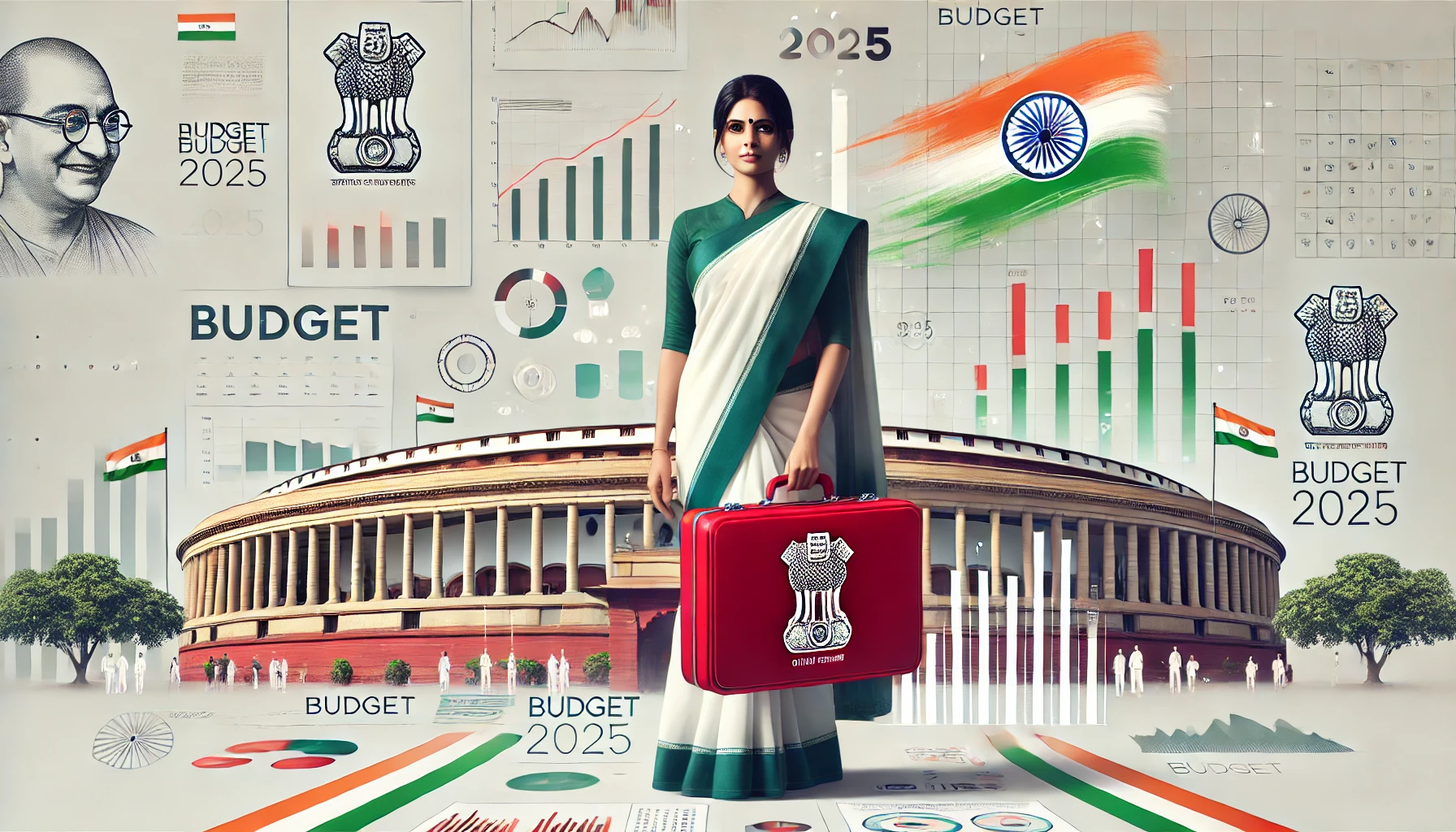
The Indian taxation system is undergoing a significant transformation in the fiscal year 2025 with amendments to the Income Tax Act, 1961. A major highlight of the new Finance Act is the increase in the rebate limit under Section 87A, which allows individuals earning up to ₹12 lakh per annum to pay zero tax under the new tax regime (Section 115BAC). Let's explore the key details of this change and how it impacts taxpayers.
Understanding Section 87A – The Rebate Boost
Section 87A of the Income Tax Act provides a rebate on income tax for eligible individuals. Previously, this rebate was applicable for incomes up to ₹7 lakh, with a maximum rebate of ₹25,000.
Key Changes in 2025:
- The income limit eligible for rebate has been increased from ₹7 lakh to ₹12 lakh.
- The maximum rebate amount has been raised from ₹25,000 to ₹60,000.
- This means that individuals earning up to ₹12 lakh will effectively pay no tax after applying the rebate.
How Does the Rebate Work?
If an individual’s taxable income is ₹12 lakh, their tax liability will be calculated as follows:
- ₹0-4 lakh → No tax
- ₹4-8 lakh → 5% tax = ₹20,000
- ₹8-12 lakh → 10% tax = ₹40,000
- Total Tax Before Rebate: ₹60,000
- Rebate Under Section 87A: ₹60,000
- Final Tax Payable: ₹0
Thus, an individual earning ₹12 lakh per year in FY 2025 will not have to pay any income tax under the new tax regime.
Revised Tax Slabs Under Section 115BAC (New Tax Regime)
Along with the rebate enhancement, the tax slabs under Section 115BAC have been restructured for simpler tax calculations. The revised slabs are:
- Up to ₹4 lakh → No tax
- ₹4 lakh - ₹8 lakh → 5%
- ₹8 lakh - ₹12 lakh → 10%
- ₹12 lakh - ₹16 lakh → 15%
- ₹16 lakh - ₹20 lakh → 20%
- ₹20 lakh - ₹24 lakh → 25%
- Above ₹24 lakh → 30%
This new structure benefits middle-income earners significantly by reducing their overall tax burden and simplifying compliance.
Key Considerations for Taxpayers
- Applies only to the new tax regime (115BAC): This rebate is not applicable under the old tax regime, which still allows various deductions but has higher tax rates.
- Does not apply to capital gains: The rebate under Section 87A applies only to normal income (salary, business income, etc.) and not capital gains from stocks, mutual funds, or real estate transactions.
- Better for salaried individuals: The new regime offers lower tax rates but fewer deductions, making it ideal for those who do not have significant exemptions like HRA, home loan interest, or investments under Section 80C.
Conclusion – A Game Changer for Taxpayers
The increase in the rebate limit under Section 87A and the restructuring of Section 115BAC make taxation more favorable for middle-class taxpayers. Those earning up to ₹12 lakh annually will now pay zero tax, boosting disposable income and financial security. While the old tax regime remains an option, the new regime offers simplicity and lower tax rates, making it a preferred choice for many.
As the Finance Act 2025 comes into effect, individuals should evaluate their financial plans and choose the tax regime that best suits their needs. The government’s move is expected to encourage compliance, boost consumption, and provide significant relief to taxpayers across India.