UCO Bank's Lending Rate Hike Amid RBI Rate Cut Highlights Banking Sector Challenges
Lexpedia · 18 February 2025 · 3 min read
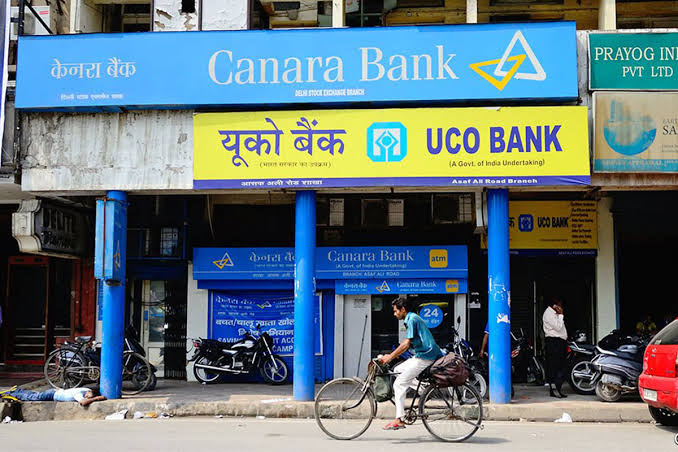
Despite the Reserve Bank of India (RBI) cutting its key repo rate by 25 basis points to 6.25%, UCO Bank, one of the smaller state-run banks, has raised its Marginal Cost Based Lending Rate (MCLR) by 5 basis points. This move is part of a broader trend where banks are not fully aligning their actions with the RBI's interest rate policy. Other prominent banks, including HDFC Bank, have also made similar moves, raising questions about the effectiveness of RBI’s monetary policy transmission.
Why Banks Are Not Reducing Rates Despite RBI Cuts
The discrepancy between the RBI's repo rate cuts and banks' lending rates stems from several complex factors in the banking system.
- Banks' Funding Costs vs RBI's Repo Rate: The central issue is that banks don't directly borrow from the RBI to lend to customers. Instead, they access funds through the Liquidity Adjustment Facility (LAF) by pledging excess government bonds. These funds from the RBI represent a very small portion of a bank's overall funds, which means bank lending rates are not directly impacted by changes in the repo rate.
- Deposit Rates and Market Liquidity: A more significant factor is the cost of attracting deposits, which is essential for banks' lending activities. If banks have to offer higher interest rates on deposits to attract funds (due to reduced liquidity in the market), they will, in turn, charge higher lending rates. Banks' borrowing costs are determined by the rate at which they pay depositors, not just the rate at which they borrow from the RBI.
Why Are Banks Paying More for Deposits?
- Banks are currently paying higher interest rates on deposits because the availability of money in the market is less than required. This situation is influenced by the RBI’s actions, which have kept market interest rates high to control inflation. The RBI, as the primary regulator, manages liquidity in the economy through various tools, such as the sale and purchase of government bonds or the management of foreign exchange reserves.
- Liquidity Management: In 2022, the RBI took steps to restrict the money supply to curb inflation, including selling government bonds and managing foreign exchange outflows. This reduced the amount of money available in the system, causing banks to compete more for deposits, which in turn raised deposit rates.
RBI’s Efforts to Address Liquidity and Loan Rates
- The RBI has tried to address the liquidity issues in the banking system. In December 2022, it reduced the Cash Reserve Ratio (CRR), injecting over INR 1 lakh crore into the market. Additionally, the RBI has increased its bond purchases to improve liquidity, doubling the amount to INR 40,000 crore from the initial target.
- Once liquidity improves and the competition for deposits eases, banks will have lower funding costs, which should eventually result in a reduction in lending rates.
When Will Loan Rates Come Down?
- Loan rates will only come down once market liquidity improves sufficiently. Banks are unlikely to reduce their lending rates unless the cost of funds — particularly the interest rates they offer on deposits — decreases. Until then, despite the RBI's rate cuts, it is unlikely that borrowing costs will ease significantly for consumers.
- In summary, the discrepancy between RBI's actions and the banks' lending rates highlights the challenges in ensuring the smooth transmission of monetary policy in India. Factors such as liquidity in the system, deposit rates, and the broader market environment are all at play, meaning that rate cuts by the RBI do not automatically translate into reduced lending rates by banks.