Lexpedia — Digital Smart Study
Legal News
Judgements
Articles
Syllabus
Bare Acts
Exam Notifications
Legal NewsArticlesBare Acts
Lexpedia — Digital Smart Study

India's most comprehensive legal exam preparation platform. Prepare for Judiciary, UGC NET, AIBE, CLAT and more.

Download the App

Get it on Google PlayDownload on the App Store

Follow Us

Exams

  • Judiciary Exams
  • UGC NET Law
  • AIBE
  • CLAT / LLB Entrance
  • LLM Entrance
  • ADA / APP / APO

Resources

  • Legal News
  • Latest Judgements
  • Landmark Judgements
  • Legal Articles
  • Exam Notifications
  • Bare Acts
  • Syllabus

Company

  • About Lexpedia
  • Contact Us
  • Privacy Policy
  • Terms & Conditions
  • Refund Policy

Partner with Us

Advertise with Lexpedia

Reach 1M+ law students across India

Share PYQs with Us

Help students succeed — upload papers

© 2026 Lexpedia. All rights reserved.

PrivacyTermsRefund
Lexpedia — Digital Smart Study
Legal News
Judgements
Articles
Syllabus
Bare Acts
Exam Notifications
Legal NewsArticlesBare Acts
  1. Home
  2. News
  3. Supreme Court Upholds Abolition of Odisha Administrative Tribunal, Dismisses Technical Challenge

Supreme Court Upholds Abolition of Odisha Administrative Tribunal, Dismisses Technical Challenge

Lexpedia · 16 February 2025 · 2 min read
Supreme Court Upholds Abolition of Odisha Administrative Tribunal, Dismisses Technical Challenge
Share:

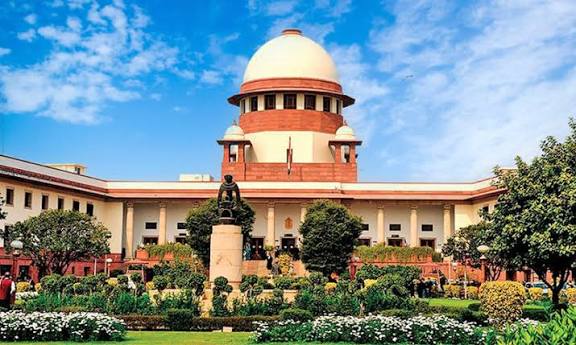
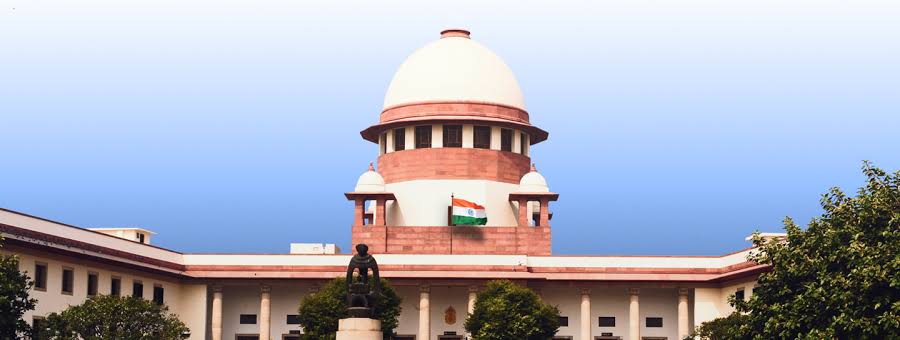
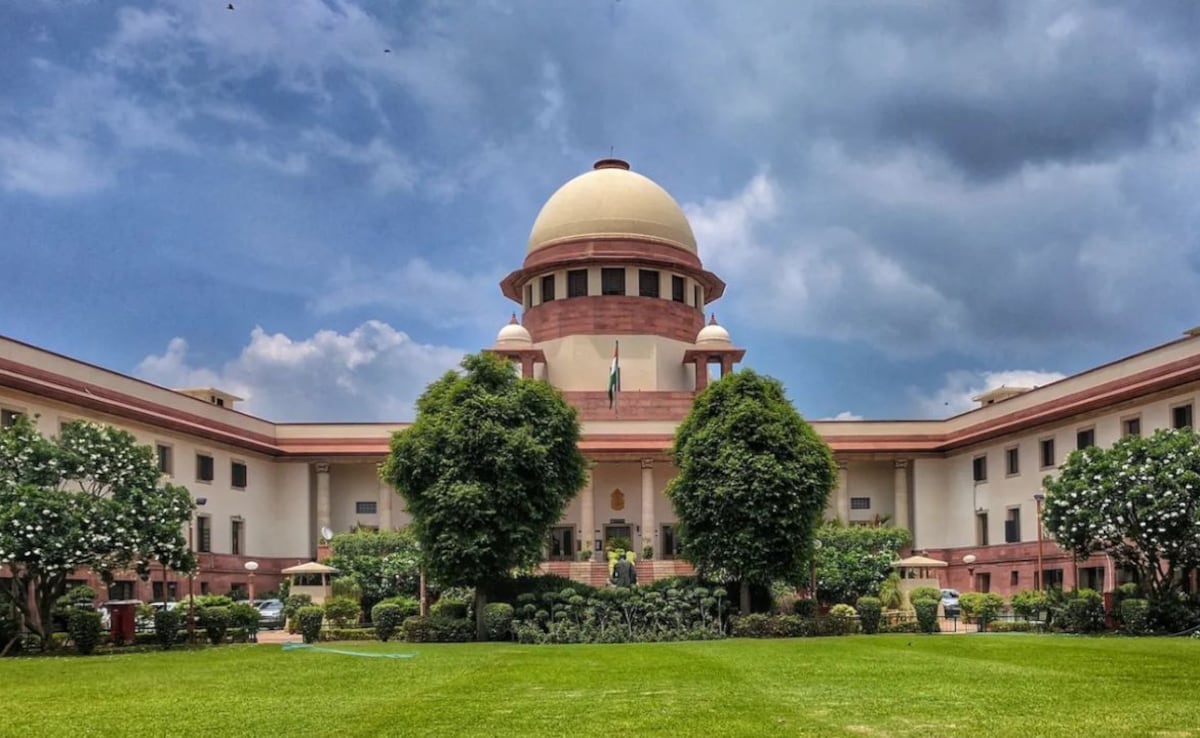
In a pivotal ruling, the Supreme Court of India upheld the 2019 notification issued by the Central Government to abolish the Odisha Administrative Tribunal (OAT). The bench, comprising Chief Justice of India DY Chandrachud and Justice Hima Kohli, dismissed the petition filed by the Odisha Administrative Tribunal Bar Association which challenged the Orissa High Court's decision that had previously upheld the abolition.

Key Legal Points:

  1. Challenge on Article 77(1) Compliance: The petitioners argued that the notification to abolish the OAT was invalid because it was not issued in the name of the President of India, as required under Article 77(1) of the Indian Constitution. This Article mandates that all executive actions of the Government of India must be taken in the name of the President.

  2. Court's Ruling: The Court ruled that a notification not issued in the President’s name does not automatically render it invalid or unconstitutional. Article 77(1) is directory rather than mandatory, meaning the absence of the President's name does not affect the validity of the notification. The Court stated that the Union Government can still prove that the order was issued by the appropriate authority.

  3. Impact on Executive Notifications: In its judgment, the Court noted that the notification abolishing the OAT, like the one establishing it, was essentially issued by the President (acting for the Union Government). The Court also pointed out that the lack of the President's name did not affect the notification’s substance, emphasizing that the public and citizenry would suffer if such notifications were declared invalid on mere technicalities.

  4. Doctrine of Substance Over Form: The ruling underscored that the substance of executive decisions, rather than the form in which they are expressed, should be the focus in legal scrutiny. The Court emphasized that procedural technicalities should not be allowed to invalidate otherwise lawful governmental actions.

Conclusion:

The Supreme Court's decision reinforces the importance of executive action in governance, highlighting that technical non-compliance with procedural aspects like Article 77(1) should not derail the execution of public policy. The judgment sets a crucial precedent for future challenges based on form over substance in administrative actions.

Case Title: Orissa Administrative Tribunal Bar Association v. Union of India & others
Supreme CourtSupreme Court's Guidelines Orissa High Court

Related Legal News

Supreme Court Refers Issue of Direct Filing of Anticipatory Bail Pleas to Three-Judge Bench

12 November 2025 · Lexpedia

Supreme Court Seeks Response from Madhya Pradesh High Court on Retirement Age of Judicial Officers

30 October 2025 · Lexpedia

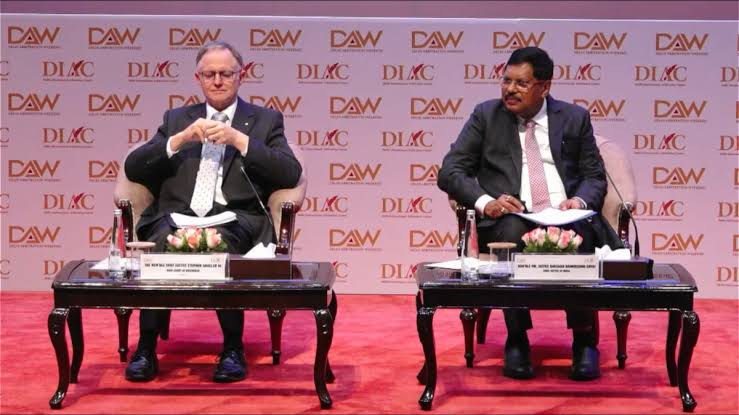
Supreme Court Welcomes Chief Justice of Australian High Court Justice Stephen Gageler

22 September 2025 · Lexpedia

Supreme Court Clears Way for Madhya Pradesh to Raise District Judges’ Retirement Age to 61 Years

28 May 2025 · Lexpedia

Latest Articles

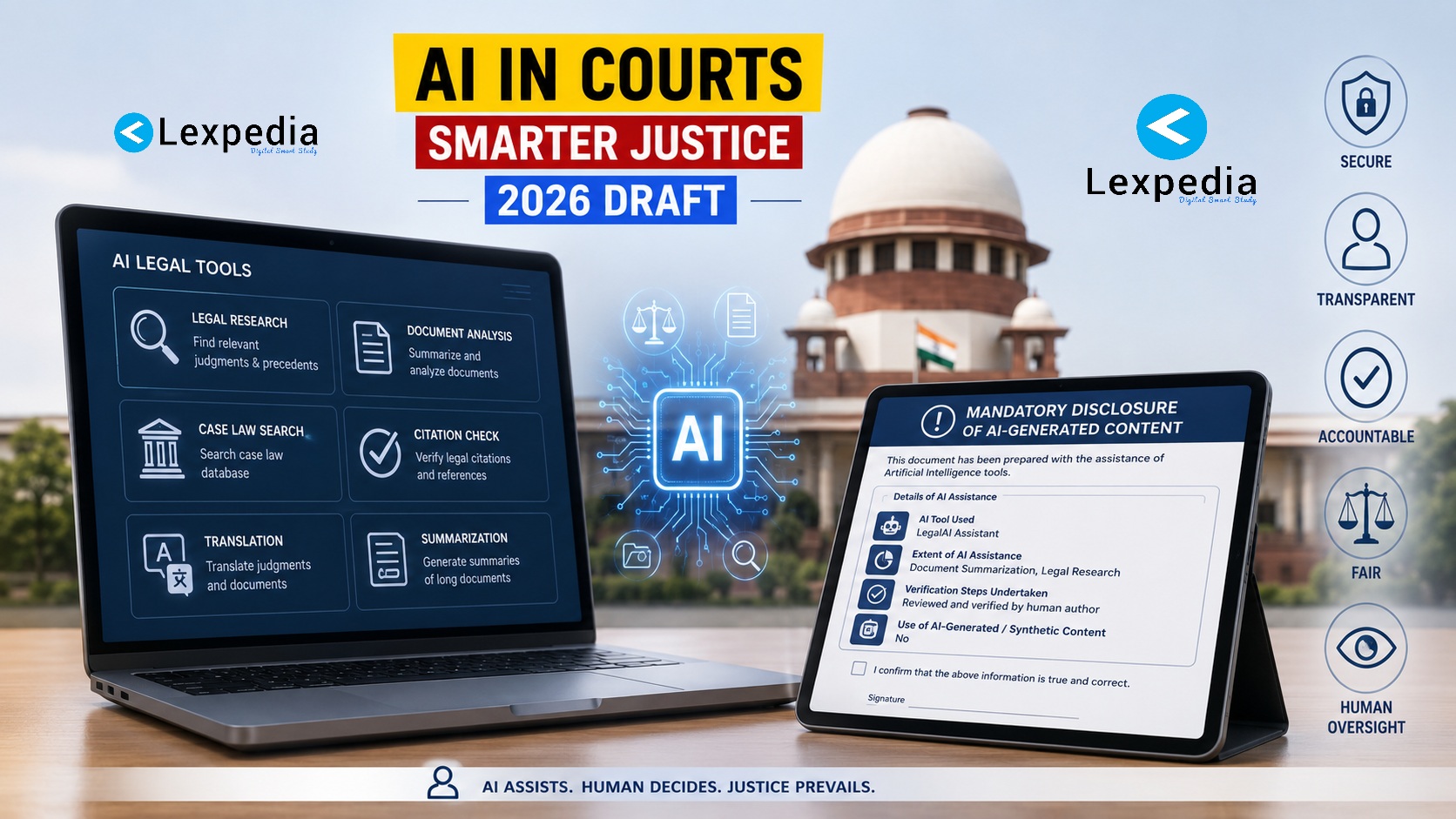
Supreme Court Releases Draft AI Regulations for Courts: Human Judges to Remain Supreme, AI-Based Decision-Making Prohibited

Lexpedia News

MONTHLY MAGAZINE APRIL, 2026

Lexpedia News

MONTHLY MAGAZINE MARCH

Lexpedia News

MONTHLY MAGAZINE FEBRUARY

Lexpedia News

MONTHLY MAGAZINE JANUARY

Lexpedia

Lexpedia — Digital Smart Study

India's most comprehensive legal exam preparation platform. Prepare for Judiciary, UGC NET, AIBE, CLAT and more.

Download the App

Get it on Google PlayDownload on the App Store

Follow Us

Exams

  • Judiciary Exams
  • UGC NET Law
  • AIBE
  • CLAT / LLB Entrance
  • LLM Entrance
  • ADA / APP / APO

Resources

  • Legal News
  • Latest Judgements
  • Landmark Judgements
  • Legal Articles
  • Exam Notifications
  • Bare Acts
  • Syllabus

Company

  • About Lexpedia
  • Contact Us
  • Privacy Policy
  • Terms & Conditions
  • Refund Policy

Partner with Us

Advertise with Lexpedia

Reach 1M+ law students across India

Share PYQs with Us

Help students succeed — upload papers

© 2026 Lexpedia. All rights reserved.

PrivacyTermsRefund