Supreme Court Questions Convicted Lawmakers Returning to Parliament and Legislatures
Lexpedia · 13 February 2025 · 2 min read
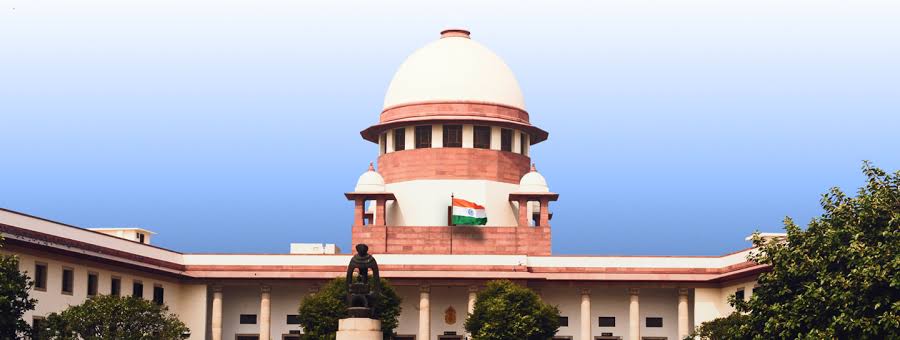
WHAT HAS HAPPENED?
On February 10, 2025, the Supreme Court of India raised concerns regarding convicted individuals returning to Parliament and State Legislatures, highlighting a potential conflict of interest. Justice Dipankar Datta, leading a Bench alongside Justice Manmohan, questioned how individuals found guilty of breaking the law could be allowed to return as lawmakers. The court is hearing petitions, including one filed by advocate Ashwini Kumar Upadhyay, which seeks a lifetime ban on convicted persons from contesting elections.
GOVERNMENT'S STANCE
In response to the petitions, the Ministry of Law and Justice filed an affidavit in December 2020, rejecting the idea of a lifetime ban on convicted individuals participating in elections or holding office in political parties. The government argued that the disqualification under Section 8 of the Representation of the People Act of 1951 — lasting for the duration of the prison sentence and six years thereafter — was sufficient. The Ministry emphasized that Members of Parliament (MPs) and Members of Legislative Assemblies (MLAs) were not bound by specific service conditions but by their oath to serve citizens, the country, and the nation's best interests.
In 2024, the Centre cited a Constitution Bench decision from the Public Interest Foundation case (2019), which acknowledged the issue of criminalization in politics but emphasized that courts cannot create laws.