Supreme Court Flags Misuse of POCSO Act in Matrimonial and Adolescent Disputes
Lexpedia · 2 November 2025 · 2 min read
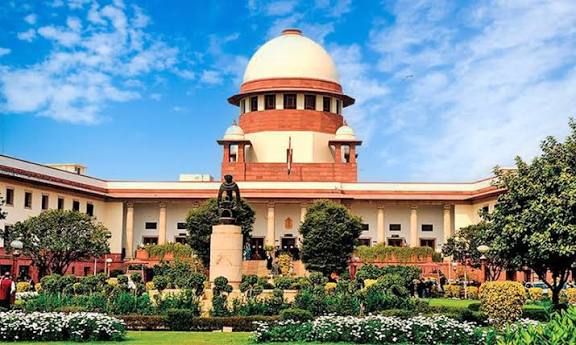
The Supreme Court of India today expressed concern over the misuse of the Protection of Children from Sexual Offences (POCSO) Act in cases arising from matrimonial disputes and complaints filed by families against boys with whom girls elope.
A bench of Justices BV Nagarathna and R Mahadevan was hearing a writ petition seeking directions for the Union Government and Ministry of Education to compulsorily incorporate sex education in school curricula and sensitize children about anti-rape laws and the POCSO Act.
Justice Nagarathna highlighted the challenges posed by the misuse of the law, observing: “How to implement sections of the Act with regard to awareness? On the verge of minority, teenagers running away… that is another thing… and POCSO being thrust on the boy by parents of the girl… that’s another difficulty.”
The bench emphasized the need for widespread public awareness among boys and men regarding the provisions of the POCSO Act. The matter was adjourned, with States and Union Territories granted a final opportunity to file their counter-affidavits.
In a related development, the Supreme Court is considering whether the age of consent under the POCSO Act should be reduced to 16 years to exempt consensual romantic relationships between adolescents from criminal liability. Senior Advocate Indira Jaising, appearing as amicus curiae, suggested reading in an exception to exclude sexual activity between consenting adolescents aged 16 to 18 from the scope of the POCSO Act, aiming to decriminalize voluntary adolescent relationships.
The Court had previously, in September 2024, interpreted the POCSO Act to mandate that governments provide sex education and create awareness among the public about the statute. The judgment also stressed the importance of a sensitive approach towards victims, stating: “By fostering a compassionate and understanding society, we can help them find their path to recovery and regain a sense of safety, dignity, and hope. This includes changing societal attitudes towards victims, improving legal frameworks to protect them, and ensuring that perpetrators are held accountable.”
Similar concerns have been echoed by High Courts across India:
-
Delhi High Court: Observed that the POCSO Act was being misapplied in cases where families objected to adolescent friendships and romantic relationships, leading to young boys being unnecessarily imprisoned.
-
Allahabad High Court: Made comparable observations regarding the misuse of the law in personal disputes.
-
Kerala High Court: Highlighted misuse in matrimonial cases and cautioned police and courts to remain vigilant against ill-motivated applications of the Act.
Case Details: Aabad Harshad Ponda v. Union of India & Ors., W.P. (Crl.) No. 382/2024