Supreme Court Considers Legal Implications of Banning Election Candidacy for Individuals Charged with Heinous Crimes
Lexpedia · 24 January 2025 · 4 min read
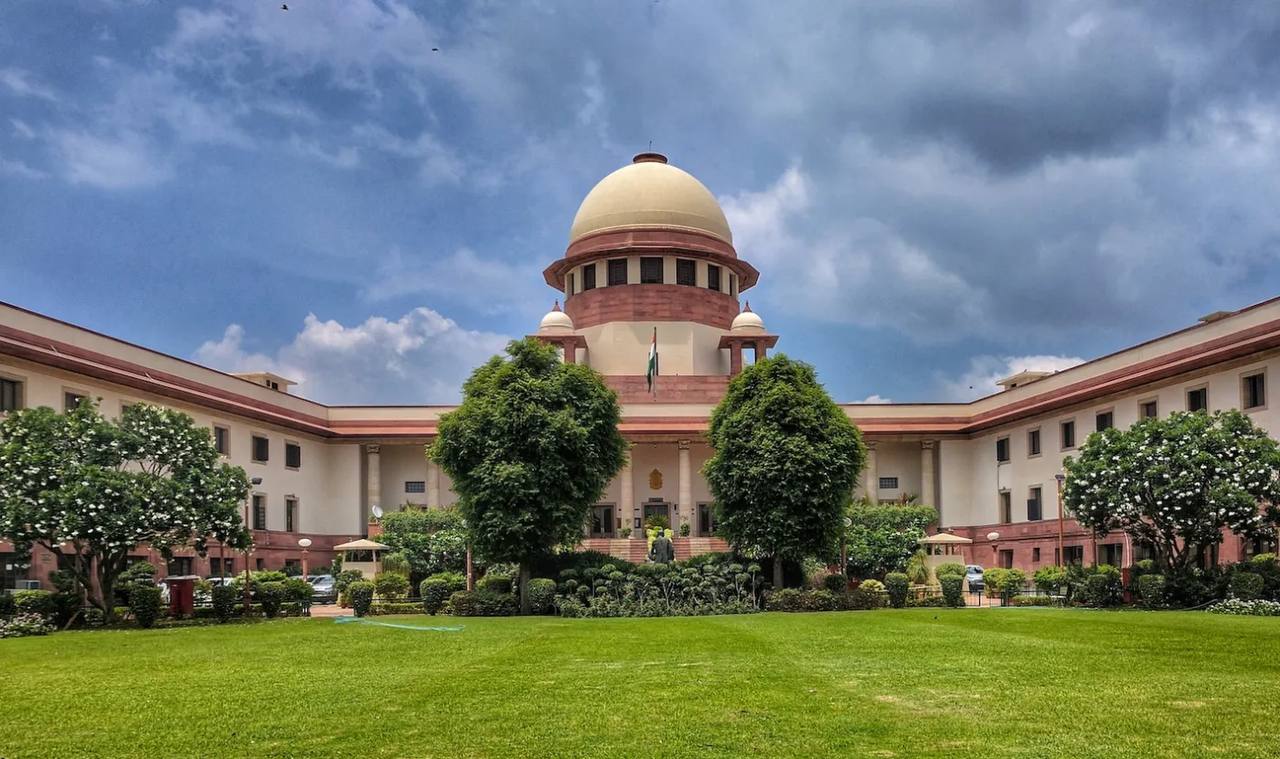
- The Supreme Court of India examined whether individuals charged with serious offenses like murder and rape should be prohibited from contesting elections.
- A bench of Justices Surya Kant and N. Kotiswar Singh raised concerns about the potential irreversible harm to candidates if they were found innocent after their trials but had already been disqualified from running for office.
- Advocate Ashwini Kumar Upadhyay, who filed the petition, argued that the right to contest elections is not a fundamental right and emphasized that there should be no shortage of honest candidates in a country of over a billion people.
- Justice Kant questioned whether honest candidates are actually coming forward to contest, reflecting on the broader issue of political corruption.
- The case is set for a further hearing on January 27, 2025.
This case brings into focus several critical legal issues involving election law, individual rights, and criminal law in India.
1. Right to Contest Elections
- The right to contest elections is not explicitly defined as a fundamental right under the Indian Constitution.
- Articles 324-329 of the Constitution empower the Election Commission of India to conduct elections and regulate the process, but they do not guarantee an individual’s right to stand for election.
- Although it’s a democratic right, it’s considered an implied right under the constitutional framework, derived from the principles of democratic governance.
- If the right to contest elections were to be restricted, it would require a careful balancing of individual rights and the need for a clean electoral process.
2. Presumption of Innocence and Criminal Law
- Under Indian criminal law, individuals are presumed innocent until proven guilty.
- Article 21 of the Constitution guarantees the right to a fair trial, which also ties into the presumption of innocence.
- A ban on individuals merely charged with serious offenses could be considered an early judgment before the completion of a trial, thereby undermining this fundamental principle.
- The legal principle of innocence until proven guilty would be compromised if individuals were excluded from contesting elections on the mere basis of criminal charges.
3. The Role of Political Parties
- In 2020, the Supreme Court mandated that political parties disclose the criminal history of their candidates and the reasons for choosing individuals with criminal charges over others.
- This ruling was part of the Court’s concern about the growing influence of criminal elements in politics, and it sought to improve transparency in the candidate selection process.
- The representation of individuals charged with crimes in elections was seen as a threat to democratic integrity, and the Court demanded accountability from political parties.
- However, the current petition suggests that political parties should also be discouraged from fielding candidates based on criminal charges alone, arguing that only "honest" individuals should be allowed to contest.
4. Potential Legal Remedies
- If elected candidates are later found guilty of serious crimes, legal provisions already exist for their disqualification (under the Representation of People Act, 1951).
- However, the proposed ban seeks to prevent individuals from contesting elections in the first place, based solely on criminal charges, not convictions.
- The Court must weigh the importance of preventing criminals from entering politics against the fundamental right to a fair trial and individual rights.
Key Legal Provisions
- Article 324 of the Indian Constitution:
- Empowers the Election Commission to conduct elections and oversee the electoral process, ensuring that elections are free and fair.
- This article does not explicitly provide a right to contest elections, but it does set the framework for the electoral process and suggests the importance of electoral integrity.
- Article 14 (Right to Equality):
- Guarantees equality before the law and protection against arbitrary discrimination.
- Banning individuals charged with serious crimes from contesting elections could violate this right, as it presumes guilt without a trial and discriminates against them based on allegations rather than convictions.
- Article 21 (Right to Life and Personal Liberty):
- Guarantees the right to a fair trial and protection from arbitrary actions.
- The proposed ban could infringe on individual liberty by depriving individuals of the right to contest elections before they have been proven guilty of any crime.
- Criminal Procedure Code (CrPC):
- Presumption of innocence is a cornerstone of criminal justice under the CrPC.
- A pre-trial ban on contesting elections for individuals merely charged with crimes could undermine this principle, violating the fairness of the judicial process.
- Representation of People Act, 1951:
- This Act governs the eligibility of candidates for elections.
- Section 8 disqualifies individuals who have been convicted of certain offenses, but does not automatically disqualify those merely charged with crimes.
- The current case challenges whether individuals charged with heinous crimes should face automatic disqualification or whether they should be allowed to contest until convicted.
- Supreme Court Ruling (2020):
- The Court ordered political parties to disclose the criminal histories of candidates and the reasons for selecting individuals with criminal charges.
- This ruling sought to make candidates’ criminal records transparent to the electorate and limit the rise of criminal elements in politics.
- While this ruling promotes accountability, it does not automatically bar individuals from contesting based on criminal charges alone.