Sec. 100 CPC - High Courts cannot Pass Interim Order in Second Appeal without Framing Substantial Question of Law: SC
Lexpedia News · 18 January 2025 · 2 min read
Case Title: U. Sudheera & Others vs. C. Yashoda & Others
Supreme Court's Observation
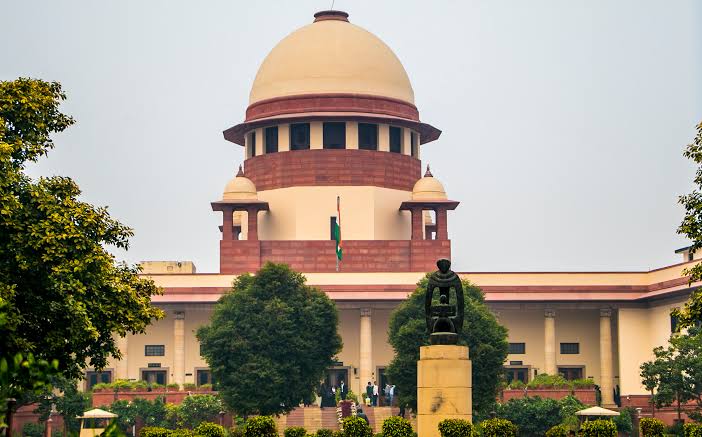
- The Supreme Court ruled that a second appeal under Section 100 of the Code of Civil Procedure (CPC) cannot proceed without framing substantial questions of law.
- Consequently, the Court set aside the Andhra Pradesh High Court's interim relief order granted in favor of the plaintiff, which was issued without framing a substantial question of law.
Case Background
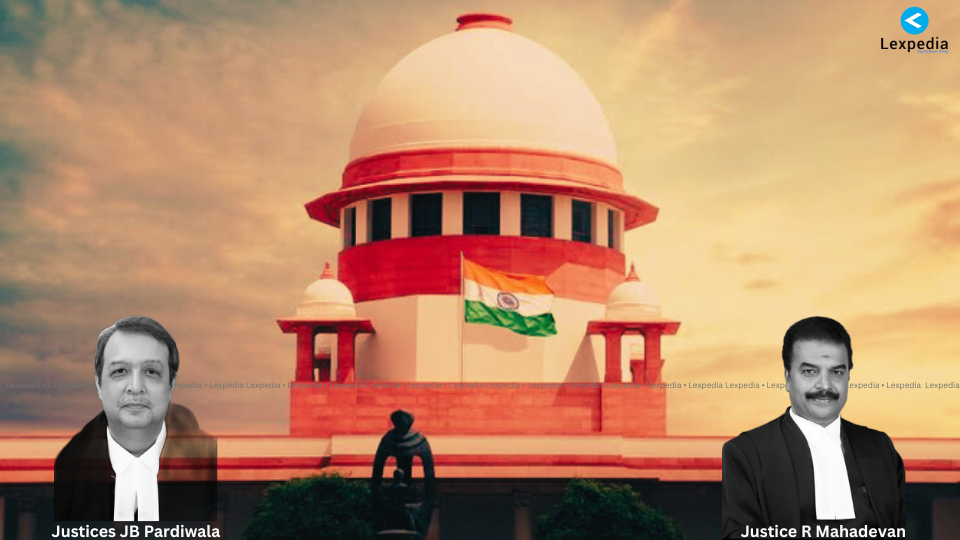
- A bench comprising Justices JB Pardiwala and R Mahadevan heard an appeal concerning whether the High Court could pass an ad interim order for a limited period without framing substantial questions of law.
- The appeal was filed under Order XLI read with Section 100 CPC.
- The Supreme Court rejected the possibility of passing such interim orders without first addressing substantial legal questions.
Court's Key Observations
The High Court had granted interim relief, directing the parties to maintain the status quo until the next hearing. This order was later extended.
The Supreme Court pointed out:
- The High Court's failure to frame substantial questions of law.
- Not all respondents in the second appeal had been served with notices, further invalidating the interim relief.
The Court concluded that the High Court had violated the procedural mandate of Section 100 CPC by not establishing substantial questions of law before granting interim relief.
Supreme Court's Statement
- The Court emphasized: “The High Court acquires jurisdiction to deal with a second appeal on merits only when it frames substantial questions of law as required under Section 100 CPC. It cannot grant an interim order without framing substantial questions of law.”
- Reference was drawn to precedents, such as Manohar Lal Chopra v. Rai Bahadur Rao Raja Seth Hiralal (1962), which affirmed that courts cannot exercise inherent powers under Section 151 CPC to grant interim orders in violation of explicit procedural mandates.
Applicability of Section 151 CPC
The Court explained:
- While Section 151 CPC empowers courts to grant interim orders to preserve the subject matter of disputes and avoid multiplicity of proceedings, this can only occur after framing substantial questions of law under Section 100 CPC.
- If framing the substantial question does not require much time, the High Court must address this step before granting interim relief.
- The inherent powers under Section 151 CPC cannot override procedural mandates.
Final Judgment
The Supreme Court held that:
- A second appeal is only maintainable if the case involves substantial questions of law.
- Without framing such questions, the High Court’s jurisdiction remains uninvoked.
The interim order issued by the High Court was set aside, and the appeal was allowed.
Appearances
- For Petitioner(s): Mr. Nishanth Patil, AOR Mr. MV Mukunda, Adv.
- For Respondent(s): Mr. Purvish Jitendra Malkhan, Sr. Adv. Mr. M. Rambabu, Adv. M/s. M. Rambabu & Co.