Plea In Supreme Court Seeks Guidelines Against ‘Constitutionally Unbecoming’ Hate Speeches; Assam CM’s Remarks Flagged
Lexpedia News · 9 February 2026 · 3 min read
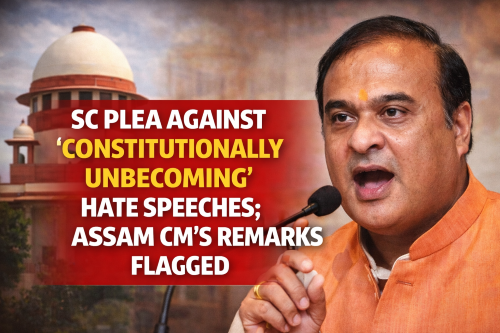
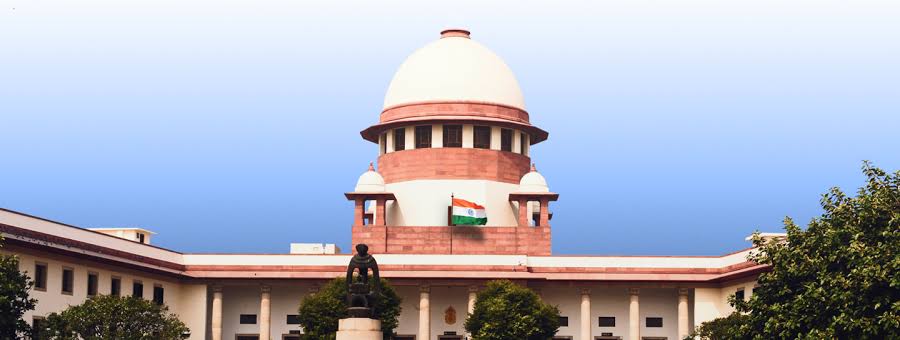
A group of citizens has approached the Supreme Court of India seeking guidelines to curb ‘constitutionally unbecoming’ public speeches by holders of high constitutional offices. The petition specifically flags remarks attributed to Assam Chief Minister Himanta Biswa Sarma and other constitutional functionaries, arguing that such statements risk undermining constitutional values even when they may not strictly qualify as criminal hate speech.
Filed under Article 32 of the Constitution, the petition has been moved by a diverse group of former civil servants, diplomats, academics, researchers, entrepreneurs, and civil society members. They contend that certain public speeches described as “derogatory and exclusionary” can have a cumulative effect on constitutional morality and social harmony.
The petitioners argue that constitutional office holders are not ordinary speakers and that their words carry the authority of the State, shaping public perception, administrative behaviour, and societal attitudes. Even when such speeches fall short of statutory hate-speech thresholds, they may still create a chilling or exclusionary impact on vulnerable communities.
Highlighting what they describe as a lack of clear regulatory standards, the petition stresses that the absence of judicial or statutory guidelines has led to the normalisation of constitutionally inappropriate public rhetoric. According to the plea, this trend may gradually erode foundational constitutional principles such as equality, fraternity, secularism, and public trust in democratic institutions.
The petition further alleges that certain speeches by public authorities, including references to specific communities and exhortations that could encourage discrimination, illustrate how constitutional authority may be perceived as legitimising divisive narratives. Petitioners have therefore requested the Supreme Court to lay down normative standards consistent with constitutional morality for public office holders across political affiliations.
Legal experts note that the case raises important questions about the balance between freedom of speech and constitutional responsibility, especially for individuals occupying high public offices. The outcome may shape future jurisprudence on political speech, institutional accountability, and constitutional ethics.
सुप्रीम कोर्ट में याचिका — ‘संवैधानिक मर्यादा के प्रतिकूल’ घृणास्पद भाषणों पर दिशानिर्देश की मांग; असम CM के बयान संदर्भित
कुछ नागरिकों के समूह ने भारत के सुप्रीम कोर्ट में याचिका दायर कर संवैधानिक पदाधिकारियों के ‘संवैधानिक मर्यादा के प्रतिकूल’ सार्वजनिक भाषणों को नियंत्रित करने हेतु दिशानिर्देश जारी करने की मांग की है। याचिका में विशेष रूप से असम के मुख्यमंत्री हिमंत बिस्वा सरमा सहित कुछ संवैधानिक पदाधिकारियों के कथित बयानों का उल्लेख किया गया है।
संविधान के अनुच्छेद 32 के तहत दायर इस याचिका को पूर्व सिविल सेवकों, राजनयिकों, शिक्षाविदों, शोधकर्ताओं, उद्यमियों तथा नागरिक समाज के सदस्यों ने मिलकर प्रस्तुत किया है। याचिकाकर्ताओं का कहना है कि अपमानजनक या बहिष्करणात्मक भाषण भले ही कानूनी रूप से घृणास्पद भाषण की श्रेणी में न आएं, फिर भी उनका दीर्घकालिक प्रभाव संवैधानिक नैतिकता पर पड़ सकता है।
याचिका में कहा गया है कि संवैधानिक पदों पर बैठे व्यक्ति सामान्य वक्ता नहीं होते और उनके शब्द राज्य की छवि, प्रशासनिक व्यवहार और जनमानस को प्रभावित करते हैं। ऐसे भाषण, भले ही सीधे उकसावे वाले न हों, फिर भी कमजोर वर्गों में भय या बहिष्करण की भावना पैदा कर सकते हैं।
याचिकाकर्ताओं ने यह भी तर्क दिया कि स्पष्ट दिशानिर्देशों के अभाव में संवैधानिक रूप से अनुचित भाषणों का सामान्यीकरण हो रहा है, जिससे समानता, बंधुत्व, धर्मनिरपेक्षता और संवैधानिक संस्थाओं में विश्वास जैसे मूल्यों पर प्रतिकूल प्रभाव पड़ सकता है।
याचिका में आग्रह किया गया है कि सुप्रीम कोर्ट संवैधानिक नैतिकता के अनुरूप सार्वजनिक भाषण के मानदंड तय करे, ताकि उच्च पदों पर बैठे व्यक्तियों के वक्तव्य लोकतांत्रिक मूल्यों और सामाजिक सद्भाव के अनुरूप रहें।
कानूनी विशेषज्ञों के अनुसार यह मामला अभिव्यक्ति की स्वतंत्रता और संवैधानिक जिम्मेदारी के बीच संतुलन जैसे महत्वपूर्ण प्रश्नों को सामने लाता है और भविष्य में राजनीतिक भाषण तथा संवैधानिक आचरण से जुड़े न्यायिक मानदंडों को प्रभावित कर सकता है।