Parliament Passes Viksit Bharat Guarantee for Rozgar and Ajeevika Mission (Gramin) Bill, 2025
Lexpedia · 19 December 2025 · 2 min read
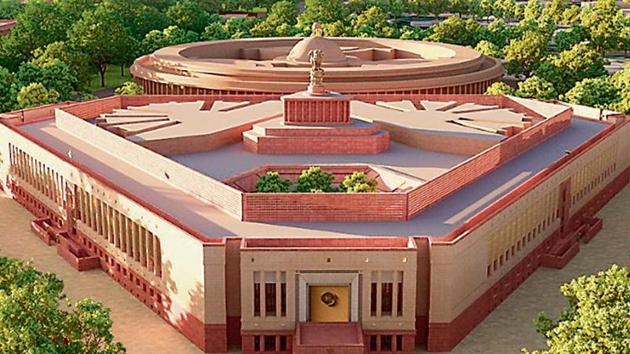
The Parliament passed the Viksit Bharat Guarantee for Rozgar and Ajeevika Mission (Gramin) – VB-G RAM G Bill, 2025, replacing the Mahatma Gandhi National Rural Employment Guarantee Act, 2005 (MNREGA). The VB-G RAM G Bill was passed in the Lok Sabha yesterday afternoon amidst strong opposition. It was tabled and passed in the Rajya Sabha on the same day at midnight. Opposition members protested, claiming that the Bill undermines MNREGA’s objective of guaranteeing jobs for the rural poor.
Major Provisions and Changes Introduced by the Bill
Increase in Guaranteed Employment Days: The VB-G RAM G Bill increases the guaranteed days of employment from 100 days under MNREGA to 125 days per worker per year.
Weekly Payments and Compensation for Delay: Payments to workers, which were previously made within 15 days under MNREGA, will now be made weekly. If payment is delayed beyond 15 days, workers are entitled to compensation at the rate of 0.05% per day of unpaid wages.
60-Day No-Work Period: The Bill allows the State Government to notify a 60-day no-work period in advance to ensure labor availability during peak sowing and harvesting seasons. States may issue different notifications for different areas based on agro-climatic zones and local agricultural patterns.
Funding and Financial Responsibility
Under MNREGA, the scheme was fully funded by the Central Government. Under VB-G RAM G, it is now a centrally sponsored scheme, with:
-
Standard states: 60% Centre, 40% State
-
Hilly and North-Eastern states: 90% Centre, 10% State
-
Union Territories without legislatures: fully funded by the Centre
The expenditure will cover wages, material costs, and administrative expenses, while states will continue to bear the unemployment allowance. During natural calamities or extraordinary circumstances, states may request operational relaxations, including temporary expansion of work or enhanced wages.
State-Wise Allocation of Work
The Central Government will determine state-wise normative allocation of work and funding, and any expenditure incurred by a state beyond this allocation will be borne by the state itself. Previously, district-level Labour Budgets prepared by District Programme Coordinators under MNREGA determined anticipated demand for unskilled work.
Implementation Structure
The Bill establishes National and State Level Steering Committees to provide guidance and recommendations, while Panchayats will continue to serve as the implementing authorities at the local level.