Supreme Court Quashes Criminal Defamation Case Against Jaideep Bose and Others
Lexpedia · 20 February 2025 · 3 min read
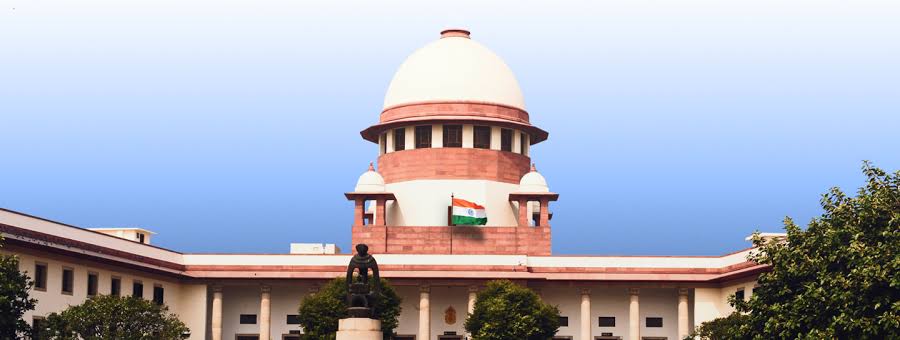
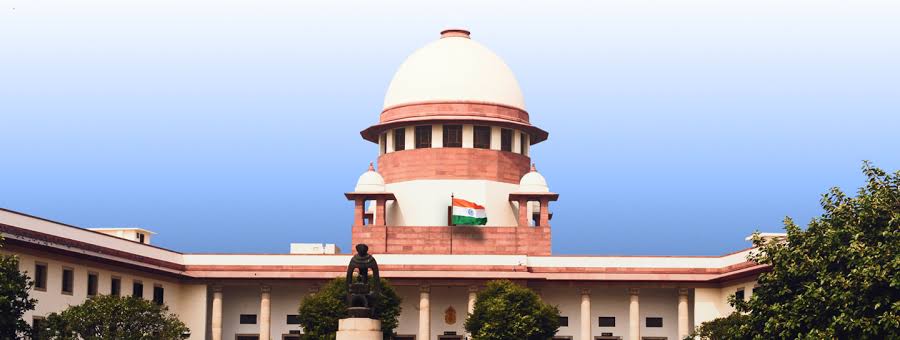
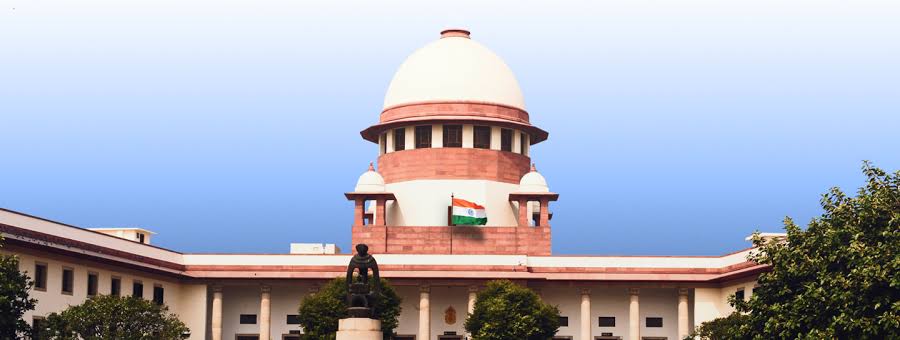
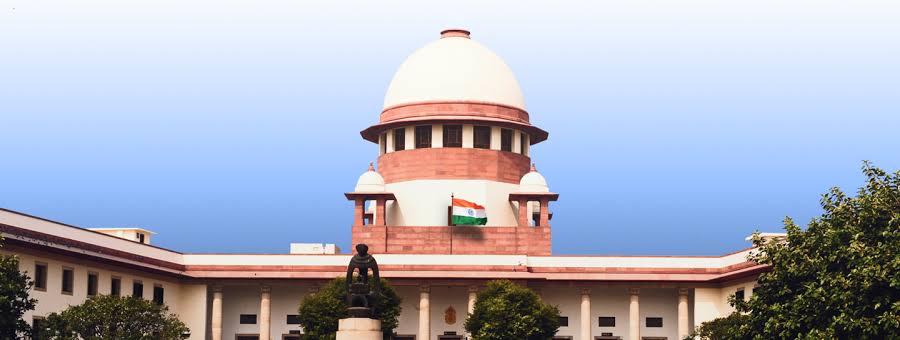
On February 18, 2025, the Supreme Court of India quashed a 2014 criminal defamation case against Jaideep Bose, the Editorial Director of Bennett Coleman and Co Ltd, the publisher of Times of India. The Court also quashed the proceedings against co-accused Nergish Sunavala, Swati Deshpande, and Neelam Raj, all of whom were correspondents/editors at the Times of India at the time.
This defamation case was initiated by M/s Bid And Hammer Auctioneers Private Limited over an article published in the Times of India, which allegedly implied that counterfeit artworks were being auctioned.
Background of the Case
The article in question was published on June 27, 2014, and discussed an auction conducted by the complainant, M/s Bid and Hammer Auctioneers. The company filed a defamation suit, alleging that the article implied that the auction house was dealing in counterfeit art. The case was initially examined by a Magistrate, who had issued summons to the accused, including Jaideep Bose. This decision was upheld by the Karnataka High Court in June 2024.
However, the Supreme Court intervened, observing several flaws in the proceedings.
Supreme Court’s Ruling
The Supreme Court set aside both the order of the Karnataka High Court and the summons issued by the Magistrate, quashing the defamation case. The Court found that:
- Lack of Specific Allegations: The complaint failed to provide specific allegations against Jaideep Bose and other co-accused. The statements made were broad and general, without substantive details to justify the issuance of summons.
- Procedural Irregularities: The Magistrate did not conduct the mandatory enquiry under Section 202(1) of the Criminal Procedure Code (CrPC) before issuing the summons.
- Failure to Establish Reputation Damage: The complainant did not provide any witness to substantiate that the article lowered their reputation. No evidence suggested that the auction was unsuccessful or that it incurred any damage due to the published article.
- Delay and Prolonged Litigation: The case had already seen delays, and with the auction having concluded, further examination of witnesses would serve no useful purpose.
The Court also emphasized that the right to freedom of speech under Article 19(1)(a) of the Constitution is paramount. At the same time, media personnel, especially in key positions, must exercise utmost responsibility before publishing news, statements, or opinions, considering the impact media has on public opinion.
Key Legal Observations
- Freedom of Speech and Media Responsibility: The Supreme Court reiterated the importance of freedom of speech while emphasizing the need for accuracy and fairness in media reporting, particularly in matters affecting reputations.
- Impact of Media Reporting: The Court acknowledged that media reports have the power to shape public perceptions and opinions, which can have significant consequences, potentially damaging reputations.
- Media and Public Interest: The Court stressed that publications must be made in good faith and with public interest in mind.
Conclusion
The Supreme Court quashed the criminal defamation proceedings against Jaideep Bose, Nergish Sunavala, Swati Deshpande, and Neelam Raj, highlighting the lack of sufficient evidence and procedural errors in the lower courts. The ruling reinforces the need for responsible journalism while safeguarding the right to free speech.
Case Details: JAIDEEP BOSE vs M/S BID AND HAMMER AUCTIONEERS PRIVATE LIMITED