SC allows passive euthanasia of man in vegetative state since 2013
Lexpedia News · 11 March 2026 · 4 min read
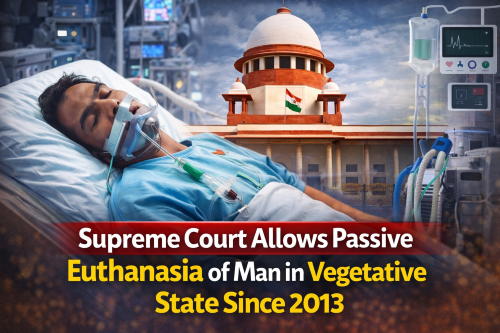
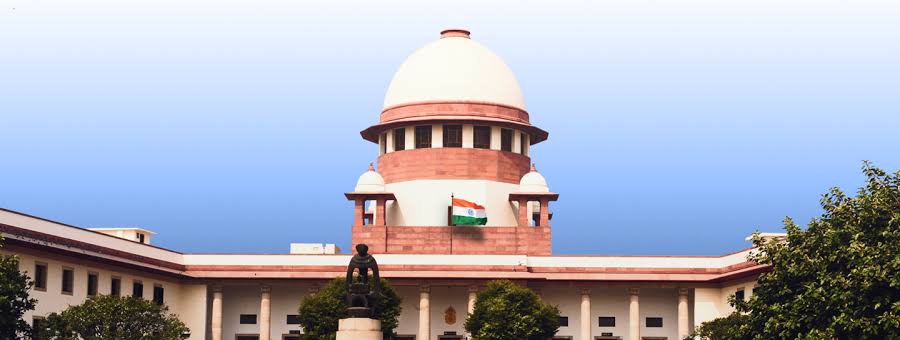
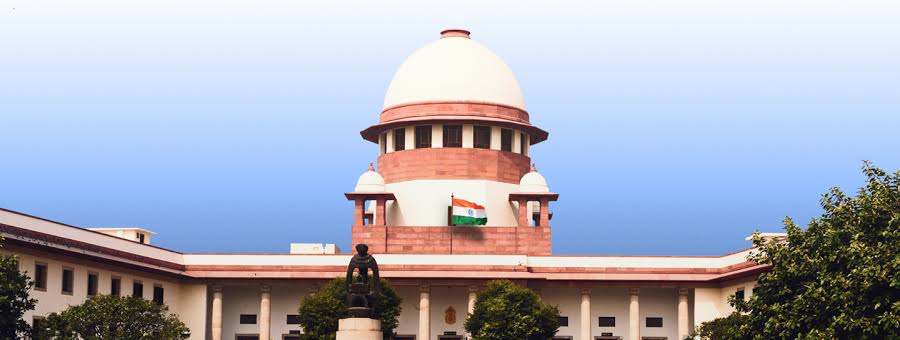
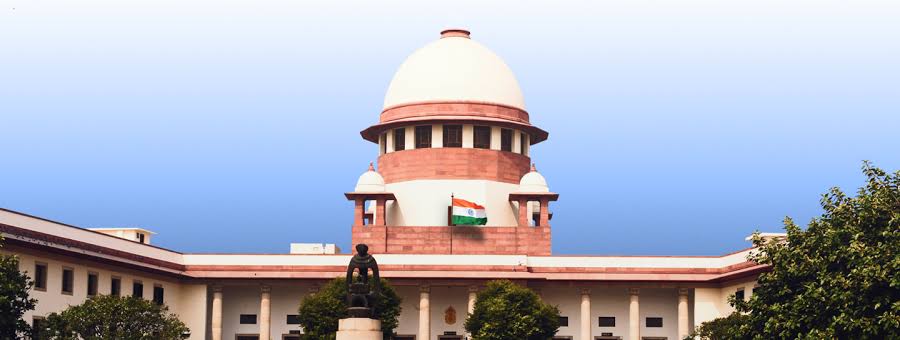
The Supreme Court of India has permitted passive euthanasia for a 31-year-old man who has remained in a permanent vegetative state since 2013, allowing withdrawal of life-sustaining treatment after years of medical care and legal proceedings.
The case was filed by the man’s parents, who approached the Court seeking permission to withdraw artificial life support and allow their son to die with dignity, citing the absence of any meaningful recovery for over a decade.
Case Title: Harish Rana v. Union of India
A Bench of the Supreme Court considered the petition after examining medical reports submitted by expert medical boards, which confirmed that the patient was in a permanent vegetative state with almost no possibility of recovery.
Background of the Case
Harish Rana, a 31-year-old man from Ghaziabad, suffered severe brain injuries in 2013 after falling from the fourth floor of a building while studying engineering.
Following the accident:
- He sustained traumatic brain damage.
- Doctors declared him 100% disabled and in a permanent vegetative state.
- For more than 12 years he remained dependent on medical support and constant care from his parents.
His elderly parents later approached the Court arguing that continuing treatment served no medical purpose and only prolonged suffering.
Medical Evaluation
During the proceedings, the Supreme Court directed that multiple medical boards examine the patient to determine his condition.
The reports concluded that:
- The patient had irreversible neurological damage.
- There was virtually no chance of recovery.
- He remained in a persistent vegetative state for over a decade.
The Court carefully evaluated these medical opinions before taking a final decision.
Supreme Court’s Observations
The Court recognised that the case involved deep ethical and constitutional considerations regarding the right to life and dignity.
Passive euthanasia in India refers to withdrawing or withholding life-sustaining treatment, allowing a natural death to occur.
The Court emphasised that:
- Such decisions must be taken with extreme caution.
- Medical evidence and family consent are critical factors.
The ruling also highlighted the constitutional principle that the “right to die with dignity” forms part of Article 21 (Right to Life) under certain circumstances.
Legal Background of Passive Euthanasia in India
India’s legal framework on euthanasia evolved through several landmark rulings.
1. Aruna Shanbaug Case (2011)
The Supreme Court first recognized passive euthanasia and laid down guidelines for withdrawing life support in certain cases.
2. Common Cause Case (2018)
A Constitution Bench held that passive euthanasia and “living wills” are legally valid, affirming that individuals have a right to die with dignity under Article 21.
The present case applies these legal principles to a real-life situation involving long-term medical incapacity.
Significance of the Judgment
The ruling is significant because it highlights:
- The humanitarian dimension of end-of-life decisions.
- The importance of medical evaluation and judicial oversight.
- The continuing legal debate on euthanasia, patient autonomy and dignity in death.
Legal experts say the decision could shape future jurisprudence on passive euthanasia in India, particularly in cases involving long-term vegetative states.
2013 से वनस्पतिक अवस्था में पड़े व्यक्ति को सुप्रीम कोर्ट ने दी निष्क्रिय इच्छामृत्यु की अनुमति
सुप्रीम कोर्ट ने 2013 से स्थायी वनस्पतिक अवस्था (vegetative state) में पड़े 31 वर्षीय व्यक्ति के लिए निष्क्रिय इच्छामृत्यु (passive euthanasia) की अनुमति दे दी है, जिससे उसके जीवन-रक्षक उपचार को वापस लिया जा सकेगा।
यह याचिका उसके माता-पिता ने दायर की थी, जिन्होंने अदालत से अनुरोध किया कि उनके बेटे की जीवन-रक्षक चिकित्सा प्रणाली हटाने की अनुमति दी जाए ताकि उसे सम्मानजनक मृत्यु मिल सके।
केस: Harish Rana v. Union of India
मामले की पृष्ठभूमि
हरिश राणा को 2013 में एक इमारत की चौथी मंजिल से गिरने के कारण गंभीर मस्तिष्क चोट लगी थी।
इसके बाद:
- उन्हें गंभीर न्यूरोलॉजिकल क्षति हुई
- डॉक्टरों ने उन्हें स्थायी वनस्पतिक अवस्था में बताया
- पिछले 12 वर्षों से अधिक समय से वह चिकित्सा सहायता पर निर्भर थे।
उनके वृद्ध माता-पिता ने अदालत में कहा कि अब उपचार का कोई चिकित्सकीय लाभ नहीं है।
चिकित्सा जांच
सुप्रीम कोर्ट ने मामले की सुनवाई के दौरान कई मेडिकल बोर्ड गठित किए।
रिपोर्ट में कहा गया कि:
- रोगी को अपरिवर्तनीय मस्तिष्क क्षति हुई है
- उसके ठीक होने की लगभग कोई संभावना नहीं है
- वह लंबे समय से स्थायी वनस्पतिक अवस्था में है।
सुप्रीम कोर्ट की टिप्पणी
अदालत ने कहा कि मामला जीवन और मृत्यु से जुड़े संवेदनशील नैतिक प्रश्न उठाता है।
भारत में निष्क्रिय इच्छामृत्यु का अर्थ है:
- जीवन-रक्षक उपचार को हटाना या रोकना
- जिससे रोगी की प्राकृतिक मृत्यु होने दी जाए।
अदालत ने कहा कि यह निर्णय कठोर चिकित्सा और कानूनी जांच के बाद ही लिया जाना चाहिए।
भारत में इच्छामृत्यु से जुड़ा कानून
अरुणा शानबाग मामला (2011)
सुप्रीम कोर्ट ने पहली बार निष्क्रिय इच्छामृत्यु को सीमित परिस्थितियों में अनुमति दी।
कॉमन कॉज मामला (2018)
संविधान पीठ ने कहा कि सम्मानजनक मृत्यु का अधिकार अनुच्छेद 21 का हिस्सा है और “लिविंग विल” वैध है।
फैसले का महत्व
यह फैसला महत्वपूर्ण है क्योंकि यह:
- सम्मानजनक मृत्यु के अधिकार
- मरीज की गरिमा
- और चिकित्सा-नैतिकता से जुड़े जटिल सवालों
पर न्यायपालिका की संवेदनशील भूमिका को दर्शाता है।
कानूनी विशेषज्ञों का मानना है कि यह फैसला भविष्य में इच्छामृत्यु और जीवन-समर्थन हटाने से जुड़े मामलों के लिए मार्गदर्शक सिद्ध हो सकता है।