Karnataka High Court Quashes FIR Against Journalist Rahul Shivshankar Over Tweet on Religious Fund Allocation
Lexpedia · 18 March 2025 · 2 min read
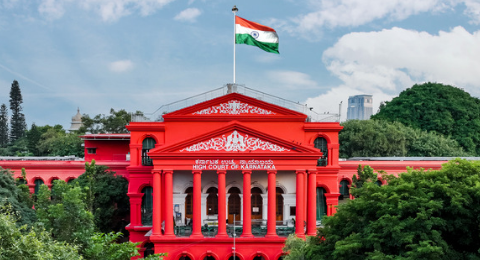
The Karnataka High Court on Monday (March 17) allowed TV journalist Rahul Shivshankar’s plea, quashing the First Information Report (FIR) registered against him for his tweet about the State government’s allocation of funds for the welfare of religious minorities.
Background of the Case
The FIR was lodged in response to a tweet by Shivshankar, where he questioned why temples, which generate substantial revenue for the state government, had not been allocated any funds in the state budget, while religious places of worship for other communities were granted large sums.
The tweet specifically mentioned the allocation of funds for the development of Waqf properties, Haj Bhavan in Mangalore, and Christian places of worship. The journalist's sarcastic commentary on the fund allocation led to a complaint from Kolar councillor N Ambaresh, who alleged that the tweet had the potential to incite communal disharmony.
The Legal Arguments
Shivshankar's advocate, Bipin Hegde, argued that the tweet merely reflected factual points based on the budget allocations and that there was no falsehood in his statement. Hegde emphasized that as a journalist, Shivshankar often shares factual information to raise public awareness on significant issues, and the tweet should not be construed as promoting animosity between religious groups.
On the other hand, Additional Special Public Prosecutor B.N. Jagadeesha, representing the State, claimed that the tweet was false and aimed at creating disharmony between two religious communities. Shivshankar had been charged under Sections 153A and 505 of the Indian Penal Code (IPC), which deal with promoting enmity between different groups and statements likely to incite public mischief.
Court's Decision
Justice M Nagaprasanna, in his ruling, stated that the petition was allowed and the FIR against Shivshankar was quashed. The court found that Shivshankar’s tweet did not warrant criminal charges, as it did not amount to an attempt to spread hatred or disharmony between religious communities. The court underscored that questioning public policies, particularly those concerning religious matters, cannot be equated with inciting communal tension.
Implications for Journalism
Shivshankar’s plea highlighted that as a journalist, asking questions regarding government policies—particularly those involving religious matters—was a fundamental part of his role in raising public awareness. The case underscores the balance between freedom of expression and the potential for statements to be misinterpreted as incitements to communal unrest.
Shivshankar argued that if such a question was construed as creating animosity, it could have a chilling effect on journalistic inquiry in the country.
Case Title: Rahul Sivasankar and Criminal Investigation Department & Anr