Unravelling the Impact and Remedies of Hate Speech
Lexpedia · 27 August 2023 · 4 min read
Introduction:
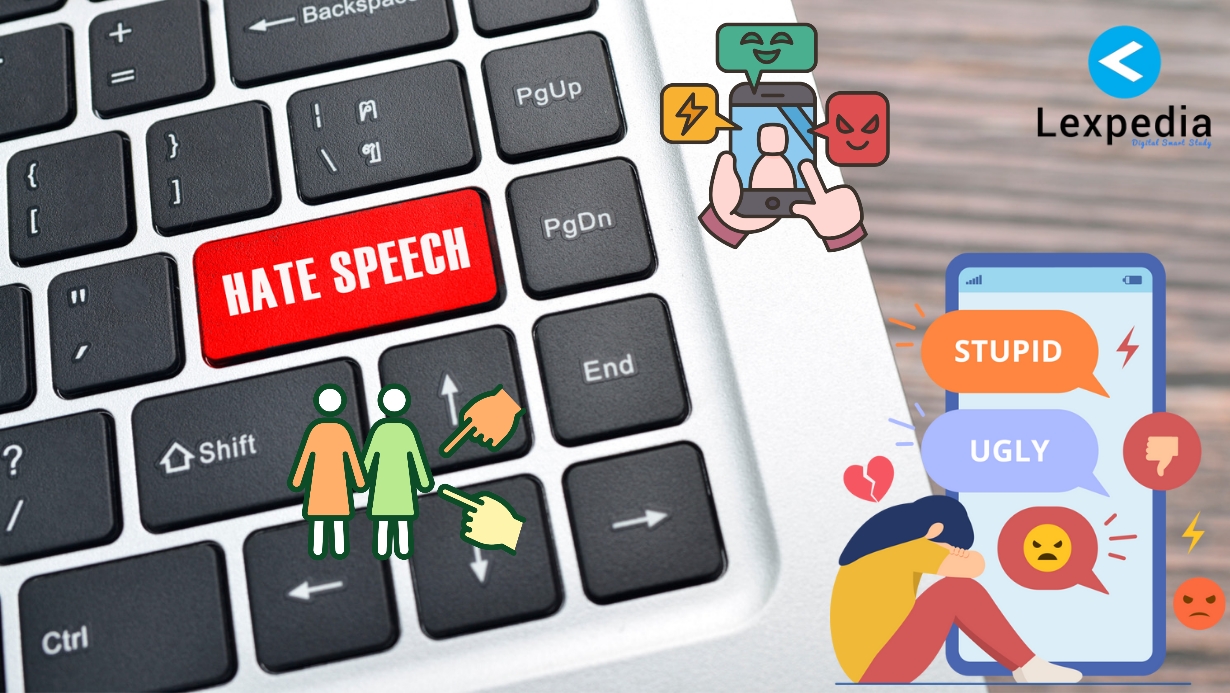
Hate speech, characterized by its derogatory and incendiary nature, stands as a menace to the fabric of societies across the globe. In an era marked by heightened communication and connectivity, the proliferation of hate speech has amplified the potential for division, conflict, and violence. This article delves into the intricate dynamics of hate speech, examining its definition, impact on individuals and societies, factors that contribute to its prevalence, legal considerations, and potential remedies.
Defining Hate Speech: Hate speech encompasses expressions, statements, or acts that target individuals or groups based on attributes such as race, religion, ethnicity, gender, sexual orientation, or other protected characteristics. It is characterized by its intent to demean, dehumanize, and incite violence or discrimination against the targeted group. Hate speech can manifest in various forms, ranging from verbal abuse and online harassment to physical violence and discriminatory policies.
IMPACT ON INDIVIDUALS AND SOCIETIES:
1. Psychological and Emotional Harm: Hate speech inflicts deep psychological wounds on individuals, eroding their self-esteem, fostering anxiety, and leading to feelings of alienation. Such emotional harm can have lasting effects on mental health.
2. Social Polarization: Hate speech fuels division within societies, creating an "us versus them" mentality that hinders social cohesion. It erodes trust among different groups and impedes meaningful dialogue.
3. Violence and Discrimination: Hate speech can serve as a precursor to violence, emboldening individuals to commit acts of discrimination, harassment, or even physical harm against the targeted group.
4. Silencing Effect: When individuals fear being subjected to hate speech, they may choose to self-censor their opinions and perspectives, stifling free expression and limiting the diversity of ideas within society.
CONTRIBUTING FACTORS TO HATE SPEECH:
1. Sociopolitical Climate: Economic uncertainties, political polarization, and cultural tensions can create a fertile ground for the proliferation of hate speech.
2. Echo Chambers: Social media platforms and online spaces can inadvertently amplify hate speech by creating echo chambers that reinforce individuals' existing beliefs and discourage open dialogue.
3. Anonymity and Distance: The anonymity afforded by online platforms can embolden individuals to engage in hate speech without immediate consequences. Physical distance from the consequences of their words can further desensitize them.
4. Inadequate Education: A lack of education and exposure to diverse perspectives can contribute to the perpetuation of stereotypes and biases, fostering an environment conducive to hate speech.
LEGAL CONSIDERATIONS:
Many countries have laws that address hate speech, but the balance between freedom of speech and combating hate speech can be complex.
1. Freedom of Speech: Protecting freedom of speech is a cornerstone of democratic societies. However, legal frameworks often limit this freedom when speech incites violence, poses a clear and present danger, or violates individual rights.
2. International Human Rights: International conventions, such as the International Covenant on Civil and Political Rights, emphasize the protection of individuals from hate speech that incites discrimination, hostility, or violence.
3. Scope of Regulation: Legal definitions of hate speech can vary significantly across jurisdictions, making it challenging to establish clear boundaries. Striking a balance between legitimate expression and harmful speech is an ongoing challenge.
REMEDIES AND MITIGATION:
1. Education and Awareness: Comprehensive education campaigns that promote empathy, diversity, and critical thinking can help individuals recognize and counteract hate speech.
2. Media Literacy: Developing media literacy skills enables individuals to discern between credible information and hate speech, fostering responsible consumption of content.
3. Counter-Narratives: Creating and amplifying positive narratives that challenge stereotypes and promote understanding can dilute the influence of hate speech.
4. Online Platform Accountability: Social media platforms can implement stricter community guidelines, faster content moderation, and consequences for users who engage in hate speech.
5. Legal Measures: Governments can enact and enforce laws that target hate speech while upholding the principles of freedom of expression. However, legal remedies must be carefully crafted to avoid suppressing legitimate dissent.
6. Restorative Justice: Encouraging dialogue and reconciliation between perpetrators of hate speech and their targets can foster understanding and potentially deter future instances.
Conclusion:
Hate speech poses a serious threat to the harmony, inclusivity, and progress of societies worldwide. Its impact is far-reaching, affecting individuals' mental well-being, community cohesion, and even political stability. Addressing hate speech requires a multi-faceted approach that involves education, media literacy, legal considerations, and fostering responsible online behaviour. As global citizens, it is our collective responsibility to recognize the harmful effects of hate speech and work together to create environments that promote dialogue, understanding, and respect for all individuals, regardless of their background or identity. In doing so, we can collectively combat hate speech and pave the way for a more inclusive and harmonious future.